The Unseen Scaffold
How a Tiny Chemical Tweak Builds a Bacterial Fortress
Exploring the amidation of glutamate residues in mycobacterial peptidoglycan
The Tuberculosis Enigma
Imagine a microscopic fortress, so resilient that it can survive inside the immune system's most elite soldiers for decades. This is the reality of Mycobacterium tuberculosis, the bacterium that causes TB, a disease claiming over a million lives each year . The secret to its incredible toughness lies not in a complex weapon, but in its armor—the cell wall. For decades, scientists have known this wall is uniquely tough, but they've been piecing together the precise molecular locks that hold it together. Recent breakthroughs have revealed one of the most crucial locks: a subtle chemical modification, a process called amidation, that acts as the essential master key for building an impregnable bacterial cell .
TB Impact
Tuberculosis claims over 1 million lives annually, making it one of the world's deadliest infectious diseases.
Bacterial Defense
Mycobacteria possess an exceptionally resilient cell wall that enables survival in hostile environments.
The Bacterial Suit of Armor: Peptidoglycan 101
All bacteria have a protective suit of armor called the peptidoglycan, a mesh-like scaffold that surrounds the cell. Think of it as chainmail made of sugar chains (glycans) cross-linked by short protein ropes (peptides). This structure gives the cell its shape and prevents it from bursting.

Molecular structures form the building blocks of bacterial cell walls. (Representative image)
In most bacteria, this mesh is a single, sturdy layer. But in Mycobacteria, including the TB pathogen, it's a colossal, multi-layered fortress. The peptides in their peptidoglycan have a unique feature: many of the amino acid building blocks are linked in a way that is chemically unusual. One amino acid, glutamate, is often in a rare form. Scientists observed that this glutamate is almost always "amidated"—it has an extra ammonia molecule (-NH₂) tacked onto its side chain. This amidation wasn't just a random decoration; it was too common to be an accident. The question was: what was its purpose?
Key Insight
The high frequency of glutamate amidation in mycobacterial peptidoglycan suggested it served a critical structural function rather than being a random modification.
The Discovery: The Amidation Master Key
The central theory was that this amidation was essential for creating the strong, cross-linked network of the cell wall. To test this, researchers needed to find the "key-maker"—the enzyme responsible for the amidation—and see what happened to the bacterium without it.
The hunt led to a specific enzyme, now known as MurT-GatD. This two-protein complex acts as a precise molecular workshop. Its sole job is to find the glutamate residues in the growing peptidoglycan building blocks and attach that crucial ammonia group .
The Hypothesis
If the MurT-GatD complex is essential for amidation, and if amidation is essential for building the cell wall, then disabling the genes for MurT or GatD should be a fatal blow to the bacterium.
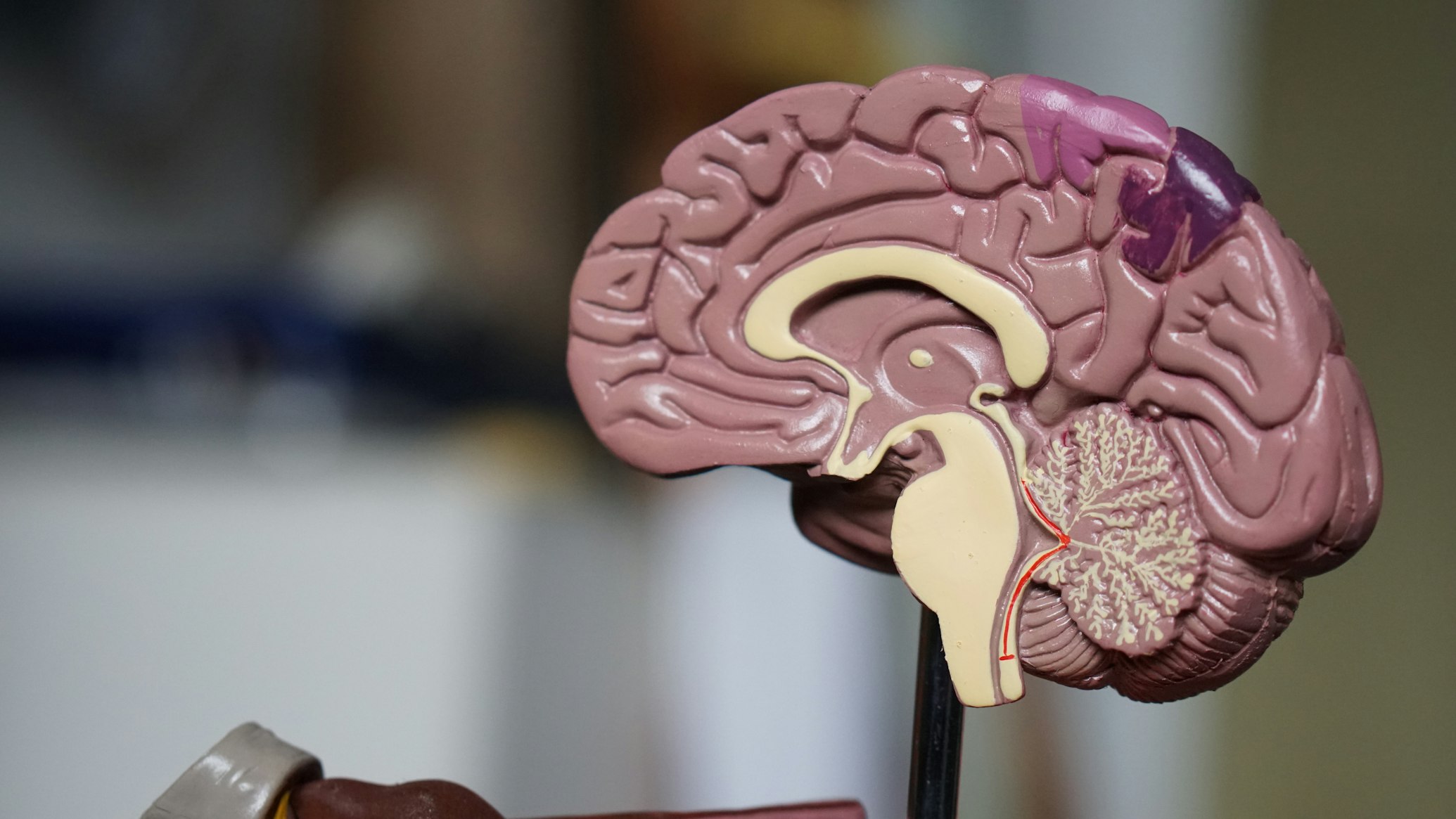
Scientific research in laboratory settings led to the discovery of the MurT-GatD complex. (Representative image)
In-depth Look: A Decisive Genetic Experiment
To test this hypothesis, scientists performed a clean, decisive genetic experiment .
Methodology: A Step-by-Step Deconstruction
1. Gene Targeting
Researchers identified the two genes that code for the MurT and GatD proteins in a non-pathogenic model bacterium, Mycobacterium smegmatis.
2. Creating the "Knockout"
Using genetic engineering tools, they attempted to "knock out" or delete these genes from the bacterial chromosome. They tried to create three separate mutant strains:
- A ΔmurT strain (missing the MurT gene).
- A ΔgatD strain (missing the GatD gene).
- A ΔmurT-gatD strain (missing both).
3. The Rescue Act
To confirm that any observed effects were due only to the missing genes, they also created a "complemented" strain. In this strain, they put a functional copy of the murT-gatD genes back into the mutant bacterium on a small, circular piece of DNA called a plasmid.
Results and Analysis: The Proof is in the (Failed) Building
The results were stark and revealing:
The Invisible Mutants
Scientists could not create the ΔmurT, ΔgatD, or ΔmurT-gatD mutants. Every time they tried to delete these genes, the bacteria died. This was the first major clue: the MurT-GatD complex is essential for survival.
The Rescue Confirmation
The only way to study the mutants was by creating a special conditional strain where the genes could be turned "off" after the bacteria had already started growing. When the genes were turned off, bacterial growth halted immediately and the cells began to die. However, when the genes were provided on the rescue plasmid, the bacteria grew perfectly normally. This proved that the lethal effect was 100% due to the loss of MurT-GatD.
Chemical Analysis
The researchers then grew the conditional mutant and turned off the MurT-GatD genes. They analyzed the peptidoglycan of these dying cells and found a dramatic chemical change:
| Bacterial Strain | Glutamate Amidation Level | Viability |
|---|---|---|
| Normal (Wild-type) | ~95% | Healthy Growth |
| Mutant (MurT-GatD OFF) | < 5% | Rapid Cell Death |
Table 1: Loss of Peptidoglycan Amidation in the Mutant
This table shows a direct correlation: no amidation, no life.
| Bacterial Strain | Peptidoglycan Cross-linking Index | Structural Integrity |
|---|---|---|
| Normal (Wild-type) | High (e.g., 75%) | Strong, Rigid Cell Wall |
| Mutant (MurT-GatD OFF) | Very Low (e.g., 25%) | Weak, Fragile Cell Wall |
Table 2: The Structural Consequence: Collapse of Cross-Linking
The peptidoglycan from the mutant bacteria was flimsy and poorly cross-linked. The cross-links—the crucial bridges that hold the sugar chains together—had failed to form properly. Without the amidation "key," the molecular "lock" for cross-linking could not be engaged.
| Observation | Normal Bacteria | Mutant Bacteria (MurT-GatD OFF) |
|---|---|---|
| Cell Shape | Normal, rod-shaped | Misshapen, deformed, swollen |
| Cell Division | Normal, binary fission | Defective, incomplete divisions |
| Staining | Even staining | Irregular, patchy staining |
Table 3: The Physical Symptom - A Bacterium in Crisis
Under the microscope, the mutant bacteria were a mess—swollen, misshapen, and unable to divide correctly, visually confirming the collapse of their structural framework .
The Scientist's Toolkit: Building Blocks of Discovery
The following tools were essential for making this discovery possible.
Research Reagent Solutions:
Gene Knockout Systems
Molecular scissors (like CRISPR/Cas9 or phage recombinase systems) used to precisely delete the murT and gatD genes from the bacterial chromosome.
Conditional Expression Plasmid
A tool to make the essential genes "inducible." The genes are turned on only in the presence of a specific chemical, allowing researchers to shut them off at will to study the effects.
Complementation Plasmid
A circular piece of DNA carrying a working copy of the genes. This is the "rescue" tool to prove that observed defects are due to the specific gene deletion and not other accidental mutations.
High-Performance Liquid Chromatography (HPLC)
A sophisticated technique used to separate and analyze the individual building blocks of peptidoglycan, allowing scientists to measure the precise level of glutamate amidation.
Transmission Electron Microscope (TEM)
A powerful microscope that provided the visual proof of the cell wall defects, showing the deformed and swollen mutant cells in ultra-high resolution.
Genetic Sequencing
Advanced DNA sequencing technologies that enabled precise identification and manipulation of the genes involved in the amidation process.
Conclusion: A New Chink in the Armor
The story of glutamate amidation is a perfect example of how a minute, atomic-level detail can dictate the life or death of an organism.
The MurT-GatD complex, by performing this simple chemical tweak, acts as the master regulator for constructing one of nature's most resilient biological structures.
This discovery is more than just a fascinating piece of basic science; it opens a new front in the war against diseases like Tuberculosis. The MurT-GatD complex is absent in humans, making it a perfect bullseye for new antibiotics. Designing a drug that jams this specific "key-maker" could strip the TB bacterium of its legendary armor, leaving it vulnerable and defenseless. In the relentless battle against superbugs, understanding these fundamental construction rules of the bacterial world is our most powerful weapon .
Therapeutic Target
The MurT-GatD complex represents a promising target for new antibiotics, as it is essential for mycobacterial survival but absent in humans.
Combatting Resistance
Targeting cell wall biosynthesis through amidation inhibition could help combat drug-resistant strains of tuberculosis.
References
References will be added here in the appropriate format.