Harnessing CFD Simulation to Optimize Bioreactor Gradients for Advanced Cell Culture and Bioprocessing
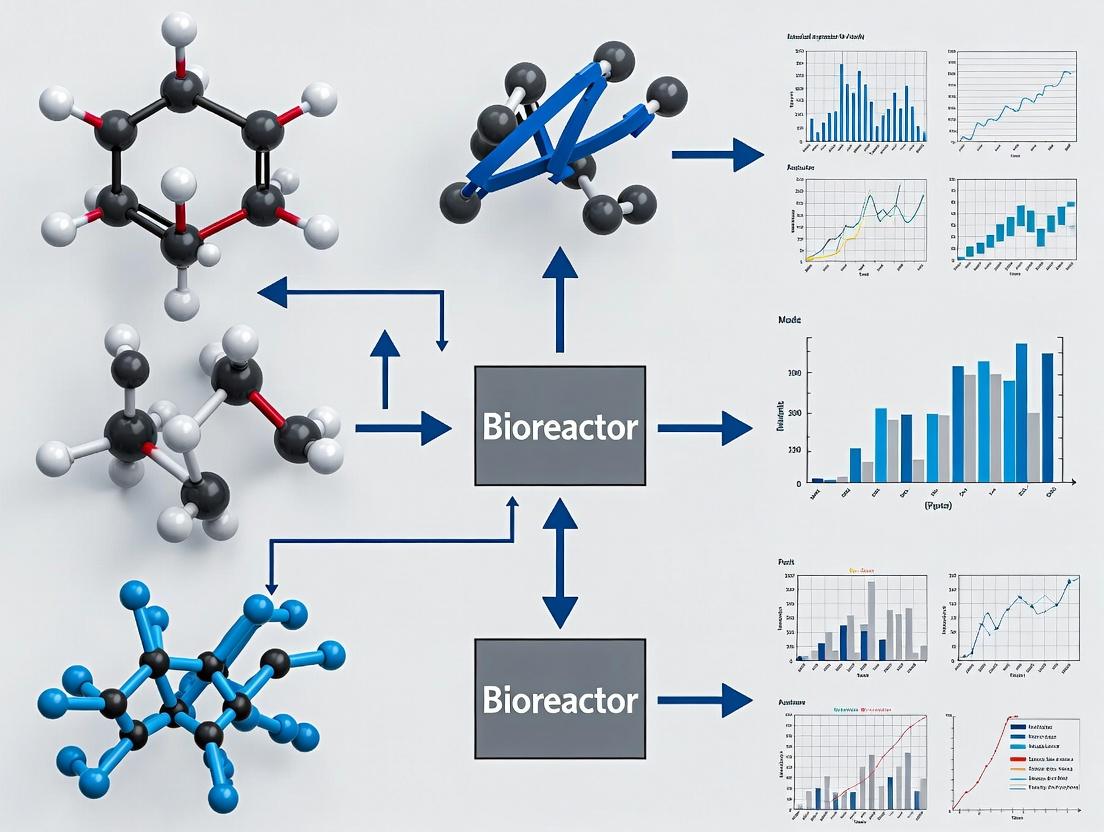
This article provides a comprehensive guide to Computational Fluid Dynamics (CFD) simulation for analyzing and optimizing gradients in bioreactors.
Harnessing CFD Simulation to Optimize Bioreactor Gradients for Advanced Cell Culture and Bioprocessing
Abstract
This article provides a comprehensive guide to Computational Fluid Dynamics (CFD) simulation for analyzing and optimizing gradients in bioreactors. Aimed at researchers, scientists, and drug development professionals, we explore the foundational principles of fluid dynamics and mixing phenomena, detail step-by-step methodologies for setting up and running effective CFD simulations, address common troubleshooting and optimization challenges, and discuss critical validation techniques. By integrating these four perspectives, the article demonstrates how CFD-driven gradient analysis enhances control over critical process parameters (pH, nutrients, dissolved oxygen, shear stress), directly impacting cell viability, product yield, and biomanufacturing scalability for therapeutics like monoclonal antibodies and cell therapies.
Understanding Bioreactor Gradients: Why Homogeneity is the Enemy of Scalable Cell Culture
Within the controlled environment of a bioreactor, the assumption of homogeneity is a foundational but often flawed ideal. Gradients—spatial variations in critical process parameters—are inherent to all bioreactor systems, posing significant challenges and opportunities in bioprocessing. This whitepaper, framed within the context of Computational Fluid Dynamics (CFD) simulation for bioreactor gradient analysis research, defines the nature of these gradients, elucidates their profound impact on cell culture and microbial fermentation, and underscores the necessity of their quantification and control for robust process development and scale-up.
The Nature of Bioreactor Gradients
Gradients arise from the imperfect mixing of vessel contents. While agitation and sparging aim to create a uniform environment, local variations persist. These gradients are dynamic, fluctuating with process conditions, scale, and cell metabolism. The primary gradients of concern are:
- Concentration Gradients: Uneven distribution of substrates (e.g., glucose, glutamine), dissolved gases (O₂, CO₂), metabolites (e.g., lactate, ammonium), and secreted products.
- Physical Gradients: Variations in local fluid shear stress, energy dissipation rate, and pressure, particularly near the impeller or sparger.
These gradients create a heterogeneous environment where cells experience different conditions depending on their momentary location in the vessel, leading to population heterogeneity.
The Impact of Gradients: From Cellular Physiology to Process Performance
Gradients are not merely engineering curiosities; they directly influence biology and process outcomes. Their effects cascade from the cellular to the production scale.
Dissolved Oxygen (DO) and Carbon Dioxide (pCO₂) Gradients
Oxygen is a critical, poorly soluble substrate, while CO₂ is a metabolic byproduct. Their gradients are often the most severe.
- Hypoxic Zones: Cells circulating through low-DO regions experience oxygen limitation, shifting metabolism towards anaerobic pathways (e.g., increased lactate production). This alters growth, productivity, and product quality.
- pCO₂ Accumulation: High local pCO₂ can acidify the intracellular environment, inhibit cell growth and specific productivity, and impact glycosylation patterns of therapeutic proteins.
Nutrient and Metabolite Gradients
- Feast-Famine Cycles: Cells passing through a high-glucose zone may exhibit rapid uptake and overflow metabolism, followed by starvation in nutrient-poor zones. This dynamic stress can impact viability and titer.
- Inhibitory Metabolites: Local accumulation of waste products like lactate or ammonium can inhibit growth and productivity in specific vessel regions before bulk concentrations become critical.
Shear Stress Gradients
The energy input is highly non-uniform. Cells near the impeller tip experience brief, intense hydrodynamic forces (eddies, jets) that can damage cells or trigger protective signaling pathways, while cells in quieter regions do not.
Table 1: Impact of Key Gradients on Bioprocess Outcomes
| Gradient Type | Primary Cause | Potential Cellular Impact | Observed Process Outcome |
|---|---|---|---|
| Dissolved O₂ | Consumption rate > Supply rate (Mass transfer limitation) | Metabolic shift; Oxidative stress; Apoptosis | Reduced growth rate; Altered metabolite profile; Changed product quality (e.g., glycosylation) |
| Dissolved CO₂ | Production rate > Stripping rate | Intracellular acidification; Enzyme inhibition | Reduced specific productivity; Altered product quality attributes |
| Nutrient (e.g., Glucose) | Consumption > Convective supply | Metabolic oscillation; Stress response | Population heterogeneity; Reduced overall yield |
| Shear Stress | Local energy dissipation (ε) | Cell damage; Mechanical stimulation; Signaling changes | Reduced viability; Altered morphology; Changed aggregation behavior |
The Role of CFD in Gradient Analysis
Empirical measurement of gradients at production scale is nearly impossible due to sensor intrusion and limited spatial resolution. This is where CFD simulation becomes an indispensable research tool. CFD solves the fundamental equations of fluid flow (Navier-Stokes), mass transfer, and reaction kinetics to predict the three-dimensional, time-dependent fields of velocity, species concentration, and shear stress within a bioreactor.
- Virtual Prototyping: Test impeller configurations, sparger designs, and operating conditions (agitation, gassing rates) in silico before physical builds.
- Scale-Down Modeling: Design small-scale vessels that accurately replicate the gradient environment (e.g., fluctuating DO/pCO₂) of large-scale reactors, enabling meaningful process characterization.
- Root-Cause Analysis: Diagnose the origin of scale-up failures or lot-to-lot variability by linking process data to predicted gradient severity.
The core thesis of modern bioprocess development is that integrating CFD-based gradient analysis with cell biology knowledge is essential for predictive scale-up and consistent product quality.
Experimental Protocols for Gradient Validation & Study
CFD models require validation, and gradient effects must be studied biologically. Key methodologies include:
Protocol 1: Microscale Gradient Mimicry in Multi-Well Plates
- Objective: To study the biological response of cells to controlled, oscillating concentrations of O₂ or nutrients, simulating passage through gradients.
- Methodology:
- Utilize programmable bioreactor systems or specialized plates housed in controlled gas chambers.
- Define a cycling profile (e.g., DO cycling between 10% and 80% saturation with a 30-second period) based on CFD predictions for a large-scale vessel.
- Inoculate cells and run the cycling protocol in parallel with a constant control culture.
- Monitor metabolites (e.g., lactate, ammonium), viability, growth, and productivity.
- Harvest for -omics analysis (transcriptomics, proteomics) to identify stress pathways induced by cycling.
Protocol 2: Tracer-Based Mixing Time Characterization
- Objective: To experimentally measure mixing efficiency and validate CFD flow field predictions.
- Methodology:
- Equip the bioreactor with a pH or conductivity probe.
- Under non-growth conditions (cell-free media, typical operating conditions), inject a bolus of a tracer (e.g., acid/base for pH, salt for conductivity) at a predicted poorly mixed zone.
- Record the probe response over time. The mixing time is defined as the time to reach 95% of the final uniform signal.
- Compare the experimental mixing time and curve shape to the CFD-predicted tracer dispersion.
Protocol 3: Local Sampling for Metabolite/Gas Analysis
- Objective: To obtain spatial concentration data for CFD model validation (typically at pilot scale).
- Methodology:
- Install multiple sample ports at strategic locations (near impeller, below surface, near walls).
- Using a rapid, isokinetic sampling device, withdraw small, simultaneous samples from multiple ports during active fermentation.
- Immediately analyze samples for key metabolites (glucose, lactate), dissolved gases (via blood gas analyzer for O₂, CO₂), and pH.
- Map the measured concentrations against CFD-predicted concentration fields.
Diagram: The CFD-Driven Bioreactor Optimization Workflow
Title: CFD-Driven Workflow for Bioreactor Optimization
The Scientist's Toolkit: Key Research Reagent Solutions
Table 2: Essential Materials for Gradient Analysis Research
| Item | Function & Relevance to Gradient Studies |
|---|---|
| Fluorescent/Optical DO Probes (e.g., Ruthenium-based) | Enable non-invasive, real-time measurement of dissolved oxygen concentration at small scale or in specialized equipment, crucial for validating DO dynamics. |
| Rapid Sampling Devices (Isokinetic probes) | Allow withdrawal of small-volume samples from specific bioreactor locations without disrupting flow, enabling spatial metabolite/gas analysis for CFD validation. |
| Programmable Bioreactor Systems (Bench-top with gas mixing) | Permit precise control and oscillation of inlet gas composition (O₂, N₂, CO₂) to mimic large-scale dissolved gas gradients in scale-down models. |
| Shear-Sensitive Reporter Cell Lines | Engineered cells expressing a fluorescent protein under the control of a shear-responsive promoter (e.g., COX-2) to visualize and quantify cellular response to shear gradients. |
| Metabolomics Kits (for Glucose, Lactate, Ammonium) | Provide rapid, high-throughput analysis of metabolite concentrations from many small-volume samples taken during spatial or temporal gradient studies. |
| Computational Fluid Dynamics (CFD) Software (e.g., ANSYS Fluent, COMSOL) | The core in silico tool for simulating fluid flow, mass transfer, and reactions to predict gradients and optimize bioreactor design and operation. |
Computational Fluid Dynamics (CFD) has become an indispensable tool for the design and optimization of bioreactors by simulating the complex interplay between fluid flow, mass transfer, and cellular kinetics. A critical challenge in bioreactor scale-up and performance is the formation of physical and chemical gradients, which deviate from the idealized well-mixed assumption. This whitepaper examines four key gradient parameters—Dissolved Oxygen (DO), pH, Nutrients, and Waste Metabolites—within the context of CFD-driven bioreactor analysis. Understanding and modeling these gradients is paramount for predicting cell behavior, ensuring product consistency, and translating laboratory-scale processes to industrial manufacturing, particularly in the biopharmaceutical sector.
In-Depth Analysis of Key Gradient Parameters
Dissolved Oxygen (DO)
DO is a critical parameter for aerobic cultures. Gradients form due to oxygen consumption by cells and limited mass transfer from sparged gas bubbles. Low DO can lead to hypoxia, altering cellular metabolism and productivity, while excessively high DO can be cytotoxic.
Key Quantitative Data: Table 1: Dissolved Oxygen (DO) Parameters in Mammalian Cell Culture
| Parameter | Typical Range | Critical Low Threshold | Notes |
|---|---|---|---|
| Setpoint | 20-50% air saturation | 10-20% air saturation | Varies by cell line & process phase |
| Oxygen Uptake Rate (OUR) | 0.05-0.5 mmol/L/h | - | Higher in high-density cultures |
| Mass Transfer Coefficient (kLa) | 2-20 h⁻¹ | - | Design target for scale-up |
| Solubility (in water, 37°C) | ~0.2 mmol/L at 1 atm | - | Strong function of temperature & salinity |
pH
pH gradients arise from the accumulation of acidic waste products (e.g., lactate, CO₂) or basic metabolites and the consumption of buffering agents. Local pH shifts can dramatically affect enzyme activity, membrane potential, and product stability.
Key Quantitative Data: Table 2: pH Parameters in Mammalian Cell Culture
| Parameter | Typical Range | Optimal Range | Control Method |
|---|---|---|---|
| Culture pH | 6.8 - 7.4 | 7.0 - 7.2 | CO₂ sparging & base addition (e.g., Na₂CO₃) |
| Lactate Production Rate | 0.1-1.0 g/L/day | - | Can shift to consumption in later phases |
| pCO₂ in Bioreactor | 40 - 150 mmHg | < 120 mmHg | Impacts osmolarity & pH |
Nutrients
Gradients of essential nutrients (e.g., glucose, glutamine, amino acids) form due to convective-diffusive transport limitations and local consumption. Depletion zones can trigger nutrient starvation, shifting metabolism and impacting cell growth and viability.
Key Quantitative Data: Table 3: Key Nutrient Parameters
| Nutrient | Typical Initial Concentration (mM) | Critical Depletion Threshold (mM) | Primary Function |
|---|---|---|---|
| Glucose | 15-25 mM (∼3-5 g/L) | ~0.5 mM | Energy (glycolysis) & biosynthesis |
| Glutamine | 2-6 mM | ~0.2 mM | Energy (TCA) & nitrogen source |
| Essential Amino Acids | Variable, 0.1-2 mM | Nanomolar range | Protein synthesis |
Waste Metabolites
Metabolic by-products like lactate and ammonium accumulate, forming positive concentration gradients from the cell cluster outward. These compounds can inhibit cell growth and product formation.
Key Quantitative Data: Table 4: Inhibitory Waste Metabolites
| Metabolite | Typical Accumulation Range | Inhibitory Threshold | Effect |
|---|---|---|---|
| Lactate | 0 - 50 mM | > 20-30 mM | Inhibits cell growth, lowers pH |
| Ammonium (NH₄⁺) | 0 - 5 mM | > 2-3 mM | Alters glycosylation, inhibits growth |
Experimental Protocols for Gradient Measurement
Protocol 1: Microsensor Profiling for Local DO and pH
- Objective: To measure point gradients within a bioreactor at micro-scale.
- Materials: Clark-type oxygen microsensor, pH microelectrode, 3-axis micromanipulator, data acquisition system, bench-top bioreactor.
- Method:
- Calibrate microsensors in sterile buffer under standard conditions (DO: zero and air saturation; pH: 4.0, 7.0, 10.0 buffers).
- Aseptically insert sensors into the bioreactor via sealed ports.
- Using the micromanipulator, position the sensor tip at a reference point (e.g., near the impeller).
- Move the sensor in precise increments (e.g., 100 µm) towards a stagnant zone or cell aggregate.
- Record steady-state DO/pH readings at each position.
- Repeat across different radial and axial locations to build a 2D/3D map.
Protocol 2: Sampled Zone Analysis for Nutrients and Metabolites
- Objective: To measure macroscopic gradients by analyzing batch samples from distinct reactor zones.
- Materials: Multi-port sampling device (e.g., a "Lollipop" sampler), micro-syringes, bioanalyzer (e.g., Cedex Bio, Nova BioProfile).
- Method:
- Install a sampler with multiple intlets positioned at critical locations (top, middle, bottom, near sparger, near walls).
- At a given time point, simultaneously withdraw small volume samples (∼200 µL) from each inlet.
- Immediately analyze samples for glucose, glutamine, lactate, ammonium, and pH using the bioanalyzer.
- Correlate concentration data with spatial coordinates of the sample ports.
Integration with CFD Simulation: Pathways and Workflow
CFD-Based Gradient Analysis Workflow
Cell Signaling Responses to Key Gradients
The Scientist's Toolkit: Research Reagent Solutions
Table 5: Essential Reagents & Materials for Gradient Studies
| Item | Function/Application |
|---|---|
| Fluorescent DO Sensor Particles (e.g., Pt(II)-porphyrin based) | For 2D/3D optical mapping of dissolved oxygen gradients in transparent systems. |
| pH-Sensitive Fluorophores (e.g., SNARF, BCECF) | For non-invasive, spatially resolved pH measurement via fluorescence microscopy or spectroscopy. |
| Bioanalyzer & Assay Kits (e.g., BioProfile FLEX, Cedex Bio) | For rapid, automated quantification of metabolites (glucose, lactate, glutamine, ammonium) and gases in micro-samples. |
| Microsensors (DO, pH, NH4+) | For high-resolution (<50 µm) point measurements within dense cell cultures or aggregates. |
| Computational Fluid Dynamics (CFD) Software (e.g., ANSYS Fluent, COMSOL) | To simulate fluid flow, mass transfer, and gradient formation for bioreactor analysis and scale-up. |
| Tracer Dyes (e.g., fluorescein, phenol red) | To visualize mixing patterns and dead zones in bioreactor prototypes. |
| Advanced Cell Culture Media (with defined components) | Essential for precise kinetic modeling, as complex hydrolysates introduce unknown variables. |
The Impact of Gradients on Cell Health, Productivity, and Product Quality Attributes
Within biopharmaceutical manufacturing, bioreactor homogeneity is an idealized condition rarely achieved in practice. The formation of physicochemical gradients—in dissolved oxygen (DO), pH, nutrients, and waste products—is inevitable due to mixing limitations. This technical guide, framed within a broader thesis on Computational Fluid Dynamics (CFD) simulation for bioreactor gradient analysis, elucidates how these gradients directly impact cellular physiology, process productivity, and critical quality attributes (CQAs) of therapeutic proteins. For researchers and process development professionals, understanding and mitigating gradient effects is paramount for robust scale-up and quality-by-design (QbD) implementation.
Gradient Formation and Key Physicochemical Parameters
Gradients arise from the interplay between mass transfer, fluid flow, and cellular consumption/production rates. Key parameters are summarized below.
Table 1: Key Physicochemical Gradients and Their Typical Ranges in Large-Scale Bioreactors
| Parameter | Typical Gradient Range (Scale-Dependent) | Primary Driver | Direct Cellular Impact |
|---|---|---|---|
| Dissolved Oxygen (DO) | 10-100% saturation | Oxygen uptake rate (OUR) vs. kLa | Oxidative stress, metabolic shift |
| pH | 0.1 - 0.5 units | Lactic/CO2 production vs. base addition | Enzyme activity, metabolism, growth |
| Nutrient (e.g., Glucose) | 0.5 - 5 g/L | Specific consumption rate vs. mixing | Feast-famine cycles, overflow metabolism |
| Metabolite (e.g., Lactate) | 1 - 10 mM | Production rate vs. dilution/removal | Inhibitory, osmolality shift |
| Carbon Dioxide (pCO2) | 50 - 150 mmHg | Cellular respiration vs. stripping | Altered intracellular pH, glycosylation |
Impact on Cell Health and Signaling
Cells circulating through gradient zones experience dynamic, non-steady-state conditions, triggering stress responses.
Hypoxia/Anoxia Gradients
Cyclic exposure to low DO activates the Hypoxia-Inducible Factor (HIF-1α) pathway, altering gene expression.
Experimental Protocol 1: Quantifying HIF-1α Response to DO Gradients
- Setup: Use a dual-vessel system or a compartmentalized bioreactor where cells are periodically shuttled between a normoxic (80% DO) zone and a hypoxic (5% DO) zone, controlling residence time.
- Sampling: Rapidly sample cells from each zone and immediately fix for intracellular analysis.
- Analysis: Perform western blotting for HIF-1α protein stabilization and nuclear localization. Use RT-qPCR for downstream targets (e.g., GLUT1, VEGF, PDK1).
- Correlation: Measure lactate production rate and specific growth rate concurrently. Correlate with HIF-1α activation levels and cycling frequency using CFD-modeled residence times.
Title: HIF-1α Pathway Activation by DO Gradients
pH and Nutrient Gradient Effects
Oscillating glucose concentrations drive "feast-famine" metabolism, leading to sustained lactate production (the Warburg effect) even under ample baseline nutrient supply.
Impact on Productivity and Product Quality Attributes
Gradients directly affect both titer and CQAs, presenting a significant scale-up challenge.
Table 2: Documented Impacts of Gradients on Product CQAs
| Critical Quality Attribute (CQA) | Gradient Type | Observed Effect | Proposed Mechanism |
|---|---|---|---|
| Glycosylation Pattern | pCO2 / pH | Reduced galactosylation; Increased high-mannose species | Altered Golgi pH & enzyme activity (e.g., β-galactosyltransferase) |
| Charge Variants | pH | Increase in acidic variants | Susceptibility to deamidation at neutral/basic pH |
| Aggregation | Gas (CO2/O2) Interface | Increased soluble aggregates | Surface-induced stress at sparged gas bubbles |
| Peptide Mapping | Nutrient (Glutamine) | Altered C-terminal lysine processing | Variable protease activity under stress |
Experimental Protocol 2: Linking pCO2 Gradients to Glycosylation
- Reactor Configuration: Operate a scaled-down model (e.g., 2L) with controlled pCO2 accumulation (via gassing strategy) to mimic high-pCO2 zones predicted by CFD in a large-scale vessel.
- Sample Strategy: Harvest cells and supernatant from both "high-pCO2" simulated and control conditions throughout the production phase.
- Product Analysis: Purify mAb via Protein A. Perform released N-glycan analysis using HILIC-UPLC/FLR. Quantify relative percentages of G0F, G1F, G2F, and high-mannose (Man5) glycoforms.
- Data Integration: Correlate specific glycoform shifts with both time-averaged and peak pCO2 exposure levels derived from CFD simulations.
Title: pCO2 Gradient Effect on Glycosylation
The Scientist's Toolkit: Research Reagent Solutions
Table 3: Essential Research Tools for Gradient Analysis
| Item / Reagent | Function in Gradient Research | Example / Notes |
|---|---|---|
| Fluorescent DO / pH Sensors | Real-time, single-cell resolution mapping of gradients in scale-down models. | Pre-loaded nanoparticles (e.g., Ru-Phen complexes for DO). |
| Metabolomic Assay Kits | Quantify rapid changes in central carbon metabolites (glucose, lactate, etc.) from micro-samples. | Coupled enzymatic assays (e.g., YSI Bioprofile) or LC-MS kits. |
| HIF-1α Activity Assay | Quantify nuclear HIF-1α levels as a biomarker for hypoxic stress. | ELISA-based or reporter cell lines (HRE-driven luciferase). |
| N-Glycan Preparation & Labeling Kits | Standardized preparation of glycans for HILIC or CE analysis to assess CQA impact. | Kits for PNGase F release, 2-AB labeling, and cleanup. |
| Live/Dead Viability Assays | Assess spatial or temporal viability loss due to gradient-induced stress. | Fluorescence microscopy with calcein-AM (live) & PI (dead). |
| CFD Software with Population Balance Models | Simulate gradient formation and cell trajectory history. | Ansys Fluent, COMSOL with custom biokinetic subroutines. |
CFD Simulation as a Predictive and Mitigation Tool
CFD transcends point measurement limitations by providing a holistic, time-resolved 3D map of environmental variables. Coupled with kinetic models of cell metabolism, it can predict:
- Gradient Magnitude: Location and severity of DO, pH, and nutrient lows.
- Cycling Frequency: How often cells transition between extreme zones.
- Population Heterogeneity: The distribution of cellular experience histories.
This predictive power allows for the in-silico design of mitigation strategies, such as optimized impeller design, sparger placement, and feeding strategies, before costly pilot-scale experiments.
Gradients in pH, DO, nutrients, and metabolites are not merely operational curiosities but fundamental determinants of process performance and product quality. A systematic, multi-disciplinary approach—combining advanced scale-down experimentation, high-throughput analytics, and predictive CFD simulation—is essential to deconvolute their effects. This integrated strategy is critical for achieving true scale-up success and ensuring the consistent production of biotherapeutics with desired CQAs.
Computational Fluid Dynamics (CFD) is a branch of fluid mechanics that uses numerical analysis and data structures to analyze and solve problems involving fluid flows. Within the domain of bioprocess engineering, CFD has emerged as an indispensable predictive analysis tool for the design, optimization, and scale-up of bioreactors. This is particularly critical for bioreactor gradient analysis research, where understanding spatial heterogeneity in parameters like dissolved oxygen, nutrients, pH, and shear stress is paramount for ensuring optimal cell growth, viability, and product yield in therapeutic protein and advanced therapy medicinal product (ATMP) development. This whitepaper details the application of CFD as a predictive tool within this specific research thesis context.
Core Principles and Governing Equations
CFD solves the fundamental governing equations of fluid dynamics—the Navier-Stokes equations—discretized over a computational mesh representing the bioreactor geometry. For bioreactor analysis, additional transport equations for species concentration (e.g., nutrients, metabolites, dissolved gasses) and turbulence models (e.g., k-ε, k-ω SST) are coupled. The conservation equations are:
- Conservation of Mass (Continuity):
∂ρ/∂t + ∇·(ρu) = 0 - Conservation of Momentum (Navier-Stokes):
ρ(∂u/∂t + (u·∇)u) = -∇p + ∇·τ + F - Conservation of a Scalar (e.g., Species, Energy):
∂(ρφ)/∂t + ∇·(ρuφ) = ∇·(Γ∇φ) + S_φ
Where ρ is density, u is velocity vector, p is pressure, τ is stress tensor, F represents body forces, φ is the scalar quantity, Γ is diffusivity, and S_φ is the source term (e.g., oxygen uptake rate).
Quantitative Data from Recent CFD Studies in Bioreactor Analysis
The predictive capability of CFD is validated against experimental data. Key quantitative findings from recent literature (2023-2024) are summarized below.
Table 1: Quantitative Outcomes of CFD Studies for Stirred-Tank Bioreactors
| Study Focus | Bioreactor Scale & Type | Key CFD-Predicted Metric | Predicted Value Range | Experimental Validation Correlation (R²) | Primary Finding for Gradient Analysis |
|---|---|---|---|---|---|
| Mixing Time | 15L, Single-Impeller | Blend Time (θ) for 95% homogeneity | 12 - 48 s (varies with agitation) | 0.92 - 0.97 | Impeller placement is more critical than speed alone for eliminating dead zones. |
| Shear Stress | 5L, Microcarrier-based | Volumetric Average Shear Stress | 0.05 - 0.5 Pa | 0.88 | Identified a 15% volume region near the impeller where stress exceeds 1.0 Pa, critical for sensitive cell types. |
| Dissolved O₂ Gradient | 2000L, Large-Scale MAb Production | Spatial O₂ Concentration Gradient | 20% - 100% Sat. (top to bottom) | 0.85 - 0.90 | Predicts hypoxic zones (<30% sat.) in lower quadrant, informing sparger redesign. |
| pH Gradient | 50L, Perfusion System | Local pH Deviation from Setpoint | +/- 0.3 pH units | 0.80 | Acid/base addition port location was suboptimal, causing local extremes. |
| CO₂ Stripping | 500L, Orbital Shaken | kLa for CO₂ removal | 2 - 8 h⁻¹ | 0.93 | Confirmed headspace flow rate as the dominant factor for CO₂ removal, not shaking speed. |
Detailed CFD Protocol for Bioreactor Gradient Analysis
The following methodology outlines a standard workflow for using CFD to analyze gradients in a stirred-tank bioreactor, aligned with thesis research objectives.
Experimental Protocol: CFD Simulation of Nutrient Gradient in a Mammalian Cell Bioreactor
Objective: To predict the spatial distribution and time evolution of a key nutrient (e.g., Glucose) and a metabolic by-product (e.g., Lactate) under defined operating conditions.
Software Requirements: Commercial (ANSYS Fluent, COMSOL Multiphysics) or Open-Source (OpenFOAM) CFD suite with species transport and multiphase capabilities.
Procedure:
- Geometry Creation & Mesh Generation:
- Create a precise 3D CAD model of the bioreactor vessel, including impeller(s), sparger, baffles, and ports.
- Generate a computational mesh. For impeller rotation, use a Sliding Mesh or Multiple Reference Frame (MRF) approach. Perform a mesh independence study to ensure results are not grid-dependent. A final cell count of 2-5 million is typical for standard vessels.
Physics & Model Setup:
- Solver: Use a pressure-based, transient solver.
- Turbulence Model: Select the Shear Stress Transport (SST) k-ω model for its accuracy in predicting flow separation and shear.
- Multiphase Model: Use the Eulerian-Eulerian model for gas-liquid dispersion if sparging is modeled explicitly, or a simpler algebraic slip mixture model.
- Species Transport: Activate species transport equations. Define glucose and lactate as user-defined scalars.
- Boundary Conditions:
- Impeller: Rotating wall or MRF zone with specified RPM.
- Sparger (if modeled): Mass-flow inlet for gas (air/O₂).
- Liquid Inlets/Outlets (for perfusion): Mass-flow or velocity inlets.
- Walls: No-slip condition for liquid, standard wall functions for turbulence.
Source Term Implementation (Critical for Gradients):
- Incorporate User-Defined Functions (UDFs) to model biological consumption/production.
- Glucose UDF:
S_glucose = - (q_Gluc * X / Y_x/s) * Cell_Density_Field. Whereq_Glucis specific uptake rate,Xis viable cell density,Y_x/sis yield coefficient. - Lactate UDF:
S_lactate = + (q_Lac * X) * Cell_Density_Field. Whereq_Lacis specific production rate. - Cell density can be modeled as uniform or as a spatially variable field from a cell population balance model (PBM) coupling.
Solution & Convergence:
- Initialize the flow field. Use a second-order discretization scheme for accuracy.
- Run the transient simulation for at least 10-15 full impeller revolutions to achieve a quasi-steady state for flow. Then, continue to monitor species distribution.
- Monitor residuals for continuity, momentum, and species equations to fall below 1e-4.
Post-Processing & Analysis:
- Extract contour plots and isosurfaces for glucose and lactate concentration.
- Calculate the coefficient of variation (CoV) for these scalars to quantify gradient severity.
- Plot concentration over time at specific monitor points (e.g., near impeller, near top surface, near bottom corner).
- Perform virtual experiments by changing parameters (RPM, sparger location, feed strategy) and compare gradient outcomes.
Visualizing the Integrated CFD-Bioreactor Analysis Workflow
CFD Workflow for Bioreactor Gradient Analysis
The Scientist's CFD Toolkit: Essential Research Reagents & Solutions
Table 2: Key "Research Reagent Solutions" for CFD-Enabled Bioreactor Gradient Analysis
| Item / Solution | Function in the "Experiment" | Technical Note |
|---|---|---|
| High-Fidelity CAD Model | The digital twin of the bioreactor. Serves as the spatial foundation for all simulations. | Must include all internals. Accuracy is critical for predictive results. File formats: STEP, IGES. |
| Anisotropic Computational Mesh | Discretizes the CAD geometry into cells (control volumes) where equations are solved. | Boundary layer refinement near walls and impeller is essential for shear stress prediction. |
| Turbulence Model (SST k-ω) | Mathematical closure for Reynolds-Averaged Navier-Stokes (RANS) equations. Predicts eddy viscosity. | Preferred for its robustness in predicting flow separation under adverse pressure gradients common in bioreactors. |
| User-Defined Function (UDF) | Custom code (C/Python) to implement complex source/sink terms (e.g., cell metabolism, kinetics). | Bridges CFD with biokinetic models. Enables dynamic, cell-density-dependent gradient analysis. |
| Species Transport Model | Solves additional convection-diffusion-reaction equations for nutrients, metabolites, and dissolved gasses. | The core module for quantifying concentration gradients of key process variables. |
| Multiphase Model (Eulerian) | Models the interaction between dispersed gas (bubbles) and continuous liquid (culture medium). | Necessary for predicting gas hold-up, mass transfer (kLa), and gradients in dissolved O₂/CO₂. |
| Validation Dataset (e.g., PIV, Tracer) | Experimental data used to calibrate and validate the CFD model's predictions. | Particle Image Velocimetry (PIV) provides velocity field data. Tracer studies provide mixing time data. |
CFD provides an unparalleled, non-invasive window into the complex hydrodynamic and mass transfer environment of bioreactors. As a predictive analysis tool, it moves the field beyond empirical correlations and enables a first-principles approach to understanding and controlling gradients. Within the thesis context of bioreactor gradient analysis research, CFD is not merely a simulation tool but a foundational technology for de-risking bioprocess scale-up, optimizing cell culture conditions, and ultimately ensuring the robust and reproducible manufacturing of next-generation therapeutics. The integration of advanced UDFs for cell metabolism and coupling with population balance models represents the frontier of this field, promising ever-more predictive digital twins of bioprocesses.
This technical guide, framed within a broader thesis on CFD simulation for bioreactor gradient analysis research, details the fundamental physics governing the operation of bioreactors. Accurate modeling of fluid flow, turbulence, and species transport is critical for predicting nutrient distribution, shear stress on cells, and product yield. This document provides an in-depth analysis of the governing equations, quantitative data from current literature, experimental protocols for validation, and essential tools for researchers in biopharmaceutical development.
Governing Physics and Mathematical Models
The core physics of bioreactor operation is described by the conservation laws of mass, momentum, and species. These are typically solved using Computational Fluid Dynamics (CFD) within the context of the Reynolds-Averaged Navier-Stokes (RANS) framework for turbulent flows.
Key Equations:
Continuity (Mass Conservation): [ \frac{\partial \rho}{\partial t} + \nabla \cdot (\rho \vec{u}) = 0 ] For incompressible flows, this simplifies to (\nabla \cdot \vec{u} = 0).
Momentum Conservation (RANS): [ \frac{\partial (\rho \vec{u})}{\partial t} + \nabla \cdot (\rho \vec{u} \vec{u}) = -\nabla p + \nabla \cdot (\mu{eff}(\nabla \vec{u} + (\nabla \vec{u})^{T})) + \rho \vec{g} + \vec{F} ] where (\mu{eff} = \mu + \mut), and (\mut) is the turbulent viscosity modeled by turbulence closures (e.g., k-ε, k-ω).
Species Transport (Nutrients, Oxygen, Metabolites): [ \frac{\partial (\rho Yi)}{\partial t} + \nabla \cdot (\rho \vec{u} Yi) = \nabla \cdot (\rho D{eff} \nabla Yi) + Ri ] where (Yi) is the mass fraction, (D{eff}) is the effective diffusivity (molecular + turbulent), and (Ri) is the volumetric consumption/production rate from cell metabolism.
Turbulence Modeling: The standard k-ε model remains widely used for its robustness, though more advanced models like Scale-Resolving Simulations (SAS, DES) are gaining traction for capturing transient gradients.
Table 1: Typical Operating Parameters and Model Constants for Stirred-Tank Bioreactors
| Parameter | Symbol | Typical Range (Mammalian Cell Culture) | Common k-ε Model Constants |
|---|---|---|---|
| Impeller Reynolds Number | (Re = \frac{\rho N D^2}{\mu}) | (10^4 - 10^5) (Turbulent) | Cμ = 0.09 |
| Tip Speed | (V_{tip} = \pi N D) | 1.0 - 2.5 m/s | Cε1 = 1.44 |
| Volumetric Oxygen Transfer Coefficient | (k_La) | 5 - 50 h⁻¹ | Cε2 = 1.92 |
| Oxygen Uptake Rate (OUR) | (OUR) | 2 - 15 mmol/L/h | σ_k = 1.0 |
| Power Input per Unit Volume | (P/V) | 50 - 500 W/m³ | σ_ε = 1.3 |
Table 2: Impact of Turbulence Model Choice on Gradient Prediction Accuracy (Comparative Study)
| Model Type | Computational Cost (Relative to RANS k-ε) | Prediction of Shear Stress | Prediction of Local Nutrient Gradients | Recommended Use Case |
|---|---|---|---|---|
| RANS (Standard k-ε) | 1x | Moderate | Low-Moderate | Steady-state scaling, initial design |
| RANS (SST k-ω) | ~1.2x | Good | Moderate | Flows with separation, better shear prediction |
| LES (Large Eddy Simulation) | 50-100x | Excellent | Excellent | Detailed transient gradient analysis, validation studies |
| Hybrid RANS-LES (DES) | 10-30x | Good-Excellent | Good-Excellent | Analysis of large-scale transient instabilities |
Experimental Protocols for CFD Model Validation
Protocol 1: Particle Image Velocimetry (PIV) for Flow Field Validation
- Objective: Obtain time-resolved velocity field data for comparison with CFD simulations.
- Setup: Use a bioreactor constructed of transparent material (e.g., acrylic) with refractive index-matched fluid. Seed the fluid with neutrally buoyant tracer particles (e.g., hollow glass spheres, 10-50 μm).
- Procedure: Illuminate a thin laser sheet in the plane of interest. Capture successive image pairs with a synchronized high-resolution CCD camera.
- Analysis: Use cross-correlation algorithms (e.g., in DaVis, OpenPIV) to calculate the displacement vector field between image pairs. Derive velocity and vorticity fields. Compare statistically (mean velocity, turbulence kinetic energy) with CFD results.
Protocol 2: Planar Laser-Induced Fluorescence (PLIF) for Species Concentration Validation
- Objective: Measure two-dimensional concentration fields of a tracer (e.g., acid, base, fluorescent dye) to validate species transport models.
- Setup: Use a fluorescent tracer (e.g., Rhodamine B) with concentration proportional to fluorescence intensity. Utilize the same transparent vessel as in PIV.
- Procedure: Pulse a laser sheet through the vessel. Use a camera fitted with an appropriate optical filter to capture the fluorescence emission. Perform a calibration to relate pixel intensity to concentration.
- Analysis: Record concentration decay or mixing times after a pulse injection. Compare the transient 2D concentration fields and mixing time scales with those predicted by the coupled CFD-species transport simulation.
Visualizing the CFD Workflow for Bioreactor Analysis
Diagram Title: CFD Workflow for Bioreactor Gradient Analysis
The Scientist's Toolkit: Key Research Reagent Solutions
Table 3: Essential Materials for Experimental Model Validation
| Item/Reagent | Function in Research | Key Consideration |
|---|---|---|
| Refractive Index Matched Fluid (e.g., NaI or Glycerol solutions) | Enables optical access for PIV/PLIF by minimizing laser distortion. | Must match acrylic/glass refractive index; should be non-toxic if using live cells. |
| Neutrally Buoyant Seeding Particles (e.g., Hollow Glass Spheres, PSL) | Tracers for PIV to visualize fluid motion. | Size (10-50 μm) and density must match fluid to follow flow accurately. |
| Fluorescent Tracer Dye (e.g., Rhodamine B, Fluorescein) | Passive scalar for PLIF to visualize mixing and concentration fields. | Must be inert, photostable, and have a high quantum yield. |
| Non-Invasive pH & pO2 Probes (e.g., Optical Sensor Spots) | Provides point validation data for local species concentrations. | Must be sterilizable and miniaturized to avoid flow disturbance. |
| Computational Fluid Dynamics Software (e.g., ANSYS Fluent, OpenFOAM, COMSOL) | Solves the core physics equations numerically. | Choice depends on required models (e.g., multiphase, UDF capability), budget, and user expertise. |
| High-Performance Computing (HPC) Cluster | Enables high-fidelity (LES, multiphase) simulations in reasonable time. | Core count, RAM, and fast interconnect are critical for scaling. |
A Step-by-Step Guide to Setting Up a CFD Simulation for Bioreactor Analysis
This guide details the foundational pre-processing stage for Computational Fluid Dynamics (CFD) simulations, specifically within a research thesis analyzing concentration and shear stress gradients in bioreactors for mammalian cell culture and advanced therapeutic medicinal product (ATMP) development. Accurate pre-processing is critical for predicting nutrient distribution, waste accumulation, and hydrodynamic stress, which directly impact cell viability, growth, and product quality.
Geometry Creation for Bioreactors
Core Principles
Geometry must represent the physical bioreactor (e.g., stirred-tank, wave, fixed-bed) with all relevant internals. Simplifications are made judiciously to reduce computational cost while preserving flow physics.
Key Components & Dimensional Data
Table 1: Standard Geometrical Parameters for a Bench-Scale Stirred-Tank Bioreactor
| Component | Typical Dimension (Relative to Tank Diameter, T) | Function in Simulation |
|---|---|---|
| Tank Diameter (T) | 0.1 - 0.3 m | Sets the global scale of the system. |
| Liquid Height (H) | H = 1.0T - 1.5T | Defines the working volume. |
| Impeller Diameter (D) | D = 0.3T - 0.5T | Primary driver of fluid motion and mixing. |
| Impeller Bottom Clearance | C = 0.25T - 0.33T | Affects bottom flow and dead zone formation. |
| Baffle Width | 0.08T - 0.1T | Prevents solid-body rotation and promotes vertical mixing. |
Detailed Protocol: Geometry Cleanup
- Import/Construction: Import a detailed CAD model or construct the geometry using the simulation software's native tools (e.g., ANSYS DesignModeler, Siemens NX).
- Defeaturing: Remove non-essential features (e.g., small fillets, threads, manufacturer logos) that do not significantly affect global flow patterns but create problematic mesh elements. A standard rule is to remove details smaller than 1% of T.
- Watertight Volume Creation: Ensure all fluid regions (e.g., liquid, sparged air) form a single, contiguous, leak-proof volume. Perform a "stitching" or "healing" operation to merge adjacent surfaces.
- Named Selections: Assign clear names to boundary surfaces:
Vessel_Wall,Impeller_Surface,Baffle_Surface,Sparger_Inlet,Headspace_Outlet,Symmetry_Plane(if used).
Meshing Strategies
Mesh Types and Applications
Table 2: Comparison of Meshing Approaches for Bioreactor CFD
| Mesh Type | Best For | Typical Cell Count for 3L Reactor | Key Advantage | Key Limitation |
|---|---|---|---|---|
| Tetrahedral (Unstructured) | Complex geometries (e.g., impellers, probes). | 2 - 5 million | Automated generation, handles complexity. | Higher cell count needed for equivalent accuracy; skewed cells near walls. |
| Hexahedral (Structured) | Simple or decomposable geometries (e.g., baffled tank without impeller). | 0.5 - 2 million | Higher accuracy per cell, lower numerical diffusion. | Difficult to generate for complex shapes. |
| Polyhedral | Complex turbulent flows with swirling. | 1 - 3 million | Lower cell count for same accuracy, better convergence. | Higher memory usage per cell. |
| Cut-Cell (e.g., ANSYS FFE) | Complex moving geometries (e.g., rotating impeller). | 1 - 4 million | High accuracy with Cartesian background mesh. | Requires careful sizing near walls. |
Experimental Protocol: Mesh Independence Study
A core requirement for credible thesis results.
- Initial Mesh: Generate a baseline mesh with software-recommended sizing.
- Simulation Run: Solve for key global parameters (e.g., impeller power number, blend time) until convergence.
- Refinement: Create 3-4 progressively finer meshes by globally reducing the base element size by ~25% each step. Use local refinement in critical regions (impeller discharge, near walls, sparger region).
- Comparison: Plot the key output parameters against the inverse of total cell count (1/N).
- Selection: Identify the point where the parameter change between successive meshes is less than a predetermined threshold (e.g., <2%). The mesh before this point is the optimal choice.
Choosing Solver Settings
Physics-Based Model Selection
Table 3: Solver Model Selection for Bioreactor Gradient Analysis
| Physical Phenomenon | Recommended Model | Thesis Application Rationale |
|---|---|---|
| Turbulence | k-ω SST (Shear Stress Transport) | Most accurate for predicting wall shear stress—critical for shear-sensitive cells—and handling separated flows. |
| Multiphase (Sparging) | Euler-Euler (for gas holdup >10%) or Volume of Fluid (VOF, for interface tracking). | Models oxygen mass transfer from bubbles to liquid, a key gradient driver. |
| Species Transport | Species Transport with Multi-Component Mixtures. | Simulates gradients of nutrients (glucose), metabolites (lactate), and dissolved gases (O₂, CO₂). |
| Rotation | Multiple Reference Frame (MRF) or Sliding Mesh. | MRF for steady-state mixing; Sliding Mesh for transient analysis of impeller-passing effects on gradients. |
Boundary & Initial Conditions Protocol
- Inlet (Sparger): Set as mass-flow inlet or velocity inlet. Specify gas volume fraction (1.0) and gas velocity based on the Superficial Gas Velocity (e.g., 0.001 - 0.01 m/s).
- Impeller Region (MRF): Define a fluid zone around the impeller. Assign rotational speed (e.g., 50-150 RPM). Use the Moving Reference Frame model.
- Walls: Apply no-slip condition. Use standard wall functions or enhanced wall treatment depending on near-wall mesh resolution (y+ target: ~1 for shear stress, 30-300 for mixing studies).
- Outlet (Headspace): Set as pressure outlet with zero gauge pressure. Define backflow conditions for volume fraction (e.g., 1.0 for air).
- Initialization: Patch initial values for species concentrations (e.g., dissolved oxygen at 10% saturation) to simulate start-of-culture conditions.
Solution Methods and Convergence
- Pressure-Velocity Coupling: Use the Coupled scheme for robustness and faster convergence.
- Spatial Discretization: Use Second-Order Upwind for momentum, turbulence, and species to minimize false diffusion of gradients.
- Convergence Criteria: Set monitors for residuals (target: 1e-5 for energy/species, 1e-4 for others) AND key physical quantities (e.g., torque on impeller, average velocity in a zone). Ensure these are stable over hundreds of iterations/steps.
The Scientist's Toolkit: Research Reagent Solutions
Table 4: Essential Materials for Bioreactor Gradient Validation Experiments
| Item | Function in Validating CFD Models |
|---|---|
| Non-Invasive pH & DO Probes (e.g., Hamilton VisiFerm, PreSens) | Provide real-time, local concentration data at specific vessel locations for direct comparison with CFD species transport results. |
| Planar Laser-Induced Fluorescence (PLIF) Tracers (e.g., Rhodamine B) | Enables 2D visualization of mixing and concentration gradient dissipation in a optically accessible model bioreactor. |
| Particle Image Velocimetry (PIV) Seeding Particles (e.g., hollow glass spheres) | Used to capture 2D/3D velocity vector fields for validating CFD-predicted flow patterns and turbulence kinetic energy. |
| Shear-Sensitive Microcapsules or Dye Release Beads | Qualitative or quantitative indicators of local shear stress magnitude, correlating to CFD-predicted wall shear stress. |
| Computational Resources (High-Performance Computing Cluster with ≥ 128 GB RAM, 32+ cores) | Essential for solving the high-fidelity, transient, multiphase CFD models required for gradient analysis within a practical timeframe. |
Visualizations
Title: CFD Pre-Processing Workflow for Bioreactors
Title: Physics Model Selection for Bioreactor Gradients
This guide addresses a critical component of a broader doctoral thesis focused on Computational Fluid Dynamics (CFD) simulation for bioreactor gradient analysis. Accurate prediction of nutrient, metabolite, and dissolved oxygen gradients—which directly impact cell viability, productivity, and product quality—is wholly dependent on the implementation of physically realistic boundary conditions (BCs). This document provides an in-depth technical protocol for defining the three most influential BC sets in stirred-tank bioreactors: impeller-induced flow, gas sparging, and media perfusion.
Impeller Speed: Defining the Rotating Domain
The impeller is the primary driver of fluid motion, mixing, and shear. In CFD, it is typically modeled using the Multiple Reference Frame (MRF) or Sliding Mesh approach.
2.1 Quantitative Parameters & Data Table
| Parameter | Typical Range (Mammalian Cell Culture) | CFD Boundary Condition Type | Key Influence |
|---|---|---|---|
| Agitation Rate (N) | 50 - 150 rpm | Rotational velocity in MRF zone | Power input, mixing time, shear stress |
| Tip Speed (Vtip = π*D*N) | 0.5 - 1.5 m/s | Derived parameter | Maximum local shear, cell damage potential |
| Reynolds Number (Re = ρND²/μ) | >10⁴ (Turbulent) | Determines turbulence model selection | Flow regime (laminar/transitional/turbulent) |
| Power Number (Np) | ~0.5 - 5 (geometry-dependent) | Used to calculate power input | Absolute power dissipation (P = NpρN³D⁵) |
2.2 Experimental Protocol for Validation: Particle Image Velocimetry (PIV)
- Objective: Obtain experimental velocity field data to validate CFD-predicted flow patterns from the impeller BC.
- Materials: Seeded tracer particles, laser sheet generator, high-speed camera, bioreactor with transparent section (e.g., flat-bottom glass vessel).
- Method:
- Fill bioreactor with a fluid matching culture media density/viscosity.
- Seed fluid with neutrally buoyant, reflective tracer particles (~10-100 µm).
- Operate impeller at target speed (N) in a dark environment.
- Illuminate a vertical or horizontal plane with a thin laser sheet.
- Capture sequential image pairs with a synchronized high-speed camera.
- Use cross-correlation algorithms (e.g., in MATLAB or DaVis) to calculate the 2D vector field from particle displacement.
- Compare time-averaged PIV velocity magnitude and direction to CFD results at identical planes.
Gas Sparging: Modeling the Discrete Phase
Gas sparging for oxygen transfer and CO₂ stripping introduces a complex, two-phase flow. The Eulerian-Eulerian or Eulerian-Lagrangian frameworks are commonly used.
3.1 Quantitative Parameters & Data Table
| Parameter | Typical Range | CFD Boundary Condition Type | Key Influence |
|---|---|---|---|
| Superficial Gas Velocity (Vs) | 0.0005 - 0.005 m/s (low-shear) | Inlet velocity or mass flow rate at sparger holes | Gas holdup, residence time, mass transfer (kLa) |
| Bubble Size (db) | 2 - 5 mm (coarse), 0.5 - 2 mm (micro) | Discrete Phase Model (DPM) initial diameter or population balance input | Interfacial area, coalescence/breakup behavior |
| Oxygen Mass Transfer Coefficient (kLa) | 1 - 20 h⁻¹ | Validation metric from simulation results | System oxygenation capacity |
| Sparger Type & Hole Pattern | Ring, open pipe, microporous | Physical geometry and inlet boundary placement | Initial bubble distribution, plume dynamics |
3.2 Experimental Protocol for Validation: Dynamic Gas Disengagement (DGD)
- Objective: Measure gas holdup and characterize bubble size distribution to inform sparging BCs.
- Materials: Conductivity or pressure probes, high-speed video camera, image analysis software.
- Method:
- Sparge gas at the target Vs until steady state is reached.
- Abruptly stop the gas flow.
- Record the rate of liquid level decline (via probe or video) as bubbles disengage. The disengagement curve can be deconvoluted to estimate fractions of small vs. large bubbles.
- Simultaneously, use high-speed video of the rising bubble plume and image analysis (e.g., ImageJ) to obtain a statistical distribution of bubble diameters.
- Use the measured average diameter and holdup to set the initial bubble conditions and validate the simulated two-phase flow field.
Inlet/Outlet Flows: Perfusion & Feed Strategies
Perfusion systems maintain cells at high density by continuously adding fresh media and removing spent media, creating concentration gradients.
4.1 Quantitative Parameters & Data Table
| Parameter | Calculation / Typical Value | CFD Boundary Condition Type | Key Influence |
|---|---|---|---|
| Perfusion Rate (D) | 1 - 5 reactor volumes per day | Inlet: velocity or mass flow rate. Outlet: pressure-outflow or specified flux. | Nutrient/metabolite gradient steepness, cell-specific perfusion rate |
| Inlet Velocity / Location | Vin = (D*Vreactor)/(Ainlet*86400) | Velocity-inlet BC at feed port | Local mixing, potential for shear or cell retention at filter |
| Outlet Configuration | Closed (batch), open (perfusion), with cell retention device | Pressure-outlet BC, often with zero diffusive flux for species | System pressure, defines residence time distribution |
4.2 Experimental Protocol for Validation: Tracer Pulse Response
- Objective: Characterize the residence time distribution (RTD) to validate perfusion flow BCs and mixing.
- Materials: Tracer (e.g., NaCl, dye, pH step-change), conductivity/pH/UV probe at outlet, data logger.
- Method:
- Establish steady-state perfusion flow at the target rate (D).
- Inject a short, concentrated pulse of tracer at the inlet port.
- Continuously measure tracer concentration at the outlet stream over time.
- Plot the normalized concentration (C-curve) vs. time. The mean of this distribution equals the theoretical residence time (τ = Vreactor/Q) if BCs are accurate.
- Compare the experimentally measured RTD curve to the CFD-predicted RTD from a simulated tracer study.
The Scientist's Toolkit: Research Reagent & Material Solutions
| Item | Function in BC Definition & Validation |
|---|---|
| Polyamide Seeding Particles (10-50 µm) | Neutrally buoyant tracers for Particle Image Velocimetry (PIV) to validate impeller-induced flow. |
| Silicone Oil (with matched refractive index) | Fluid for PIV that matches bioreactor fluid's refractive index to minimize laser distortion. |
| High-Speed CMOS Camera (>500 fps) | Captures rapid flow dynamics for PIV and bubble image analysis. |
| Planar Laser Sheet Optics | Creates a thin illuminated plane for 2D flow field measurement in PIV. |
| Conductivity/Tracer Probes | Measures concentration changes for Residence Time Distribution (RTD) and Gas Holdup studies. |
| Image Analysis Software (e.g., ImageJ, DaVis) | Processes PIV image pairs and analyzes bubble size distributions from high-speed video. |
| CFD Software (ANSYS Fluent, COMSOL, OpenFOAM) | Platform for implementing boundary conditions and solving the governing fluid dynamics equations. |
Visualizing the Integrated Workflow and Relationships
Diagram 1: BC Definition & Validation Workflow (94 chars)
Diagram 2: CFD BC Validation Feedback Loop (94 chars)
Material Properties and Multiphase Models for Gas-Liquid Interactions
Within the context of Computational Fluid Dynamics (CFD) simulation for bioreactor gradient analysis research, the accurate modeling of gas-liquid interactions is paramount. These interactions govern oxygen mass transfer, carbon dioxide stripping, and nutrient distribution, which are critical for cell culture viability and productivity in pharmaceutical bioprocessing. This whitepaper provides an in-depth technical guide on the material properties and multiphase modeling approaches essential for simulating these complex systems.
Fundamental Material Properties
The accurate definition of material properties is the foundation of any credible multiphase CFD simulation. For bioreactor applications, the primary phases are the liquid culture medium (often water-based) and the gas phase (typically air or an oxygen-enriched mixture).
Key Properties for Gas and Liquid Phases
The following properties must be characterized as functions of temperature, pressure, and composition.
Table 1: Critical Material Properties for Bioreactor CFD Simulations
| Property | Liquid Phase (Culture Medium) | Gas Phase (Air/O₂) | Dependency & Notes |
|---|---|---|---|
| Density (ρ) | ~998 - 1020 kg/m³ | ~1.185 kg/m³ (at 25°C) | Medium: Composition, cell density. Gas: Ideal gas law recommended. |
| Viscosity (μ) | ~0.89 - 1.5 mPa·s | ~1.85e-5 Pa·s | Medium: Strong function of extracellular matrix, cell concentration. |
| Surface Tension (σ) | 0.06 - 0.072 N/m | N/A | Critical for bubble size. Reduced by surfactants/proteins. |
| Diffusivity of O₂ (D) | ~2.1e-9 m²/s | ~1.76e-5 m²/s | Liquid: Strong function of medium viscosity and solutes. |
| Henry's Law Constant (H) | ~7.8e4 Pa/(mol/m³) for O₂ | N/A | Defines O₂ solubility. Temperature dependent. |
| Heat Capacity (Cp) | ~4180 J/(kg·K) | ~1005 J/(kg·K) | Required for non-isothermal simulations. |
Research Reagent Solutions Toolkit
Essential materials for experimental validation of simulated properties.
Table 2: Research Reagent Solutions for Property Characterization
| Item | Function in Research |
|---|---|
| Dynamic Interfacial Tensiometer | Measures gas-liquid surface tension under process conditions (e.g., with proteins present). |
| Particle Image Velocimetry (PIV) Tracers | Seeding particles (e.g., fluorescent polymer microspheres) for experimental flow field mapping. |
| Dissolved Oxygen (DO) Probes (Optochemical) | Validates simulated oxygen concentration fields. Must be sterilizable for in-situ use. |
| pH & Conductivity Sensors | Tracks ionic composition changes affecting fluid properties and bubble coalescence. |
| Polyvinyl Alcohol (PVA) Solution | Used as a standard or model fluid with controlled, tunable viscosity and surface tension. |
| Anti-foaming Agents (e.g., Simethicone) | Modifies interfacial properties for studying foam formation and its impact on mass transfer. |
Multiphase Modeling Frameworks
Selecting an appropriate multiphase model is dictated by the morphology of the gas-liquid dispersion.
Model Selection Protocol
Experimental/Simulation Workflow for Model Identification:
- Characterize Regime: Use high-speed imaging to determine bubble size distribution (BSD) and regime (e.g., homogeneous bubbly, churn-turbulent).
- Calculate Key Dimensionless Numbers:
- Gas Volume Fraction (α):
α = V_gas / (V_gas + V_liquid) - Euler Number (Eu):
Eu = Δp / (ρ_l * u²)for pressure forces. - Stokes Number (St):
St = (ρ_p * d_p² * u) / (18 * μ_l * L)for particle/bubble tracing.
- Gas Volume Fraction (α):
- Model Selection:
- If α < 10% and BSD is narrow → Eulerian-Lagrangian (Discrete Phase Model).
- If α > 10% or BSD is broad → Eulerian-Eulerian (Volume of Fluid or Mixture Model).
- Closure & Validation: Select interfacial force closures (drag, lift, virtual mass). Validate simulated α and BSD against experimental data (e.g., from electrical tomography).
Workflow for Multiphase Model Selection
Interfacial Momentum & Mass Transfer Closure
Interfacial Force Models
The momentum exchange between phases is governed by interfacial forces.
Table 3: Common Interfacial Force Closure Models
| Force | Model Equation | Parameters Requiring Experimental Input |
|---|---|---|
| Drag | F_D = (3/4) (α_g ρ_l C_D / d_b) |u_g - u_l| (u_g - u_l) |
Drag Coefficient (C_D, e.g., Schiller-Naumann), Bubble Diameter (d_b). |
| Lift | F_L = α_g ρ_l C_L (u_g - u_l) × (∇ × u_l) |
Lift Coefficient (C_L). Positive for small bubbles, negative for large. |
| Virtual Mass | F_VM = α_g ρ_l C_VM ( (Du_g/Dt) - (Du_l/Dt) ) |
Virtual Mass Coefficient (C_VM, often = 0.5). |
| Turbulent Dispersion | F_TD = -C_TD ρ_l k_l ∇α_g |
Turbulent Dispersion Coefficient (C_TD). |
Mass Transfer (Oxygen Uptake) Protocol
Detailed Methodology for Determining k_L a:
- Objective: Experimentally determine the volumetric mass transfer coefficient (
k_L a) for validation of species transport models. - Equipment: Bioreactor, sterilizable DO probe, nitrogen source, data acquisition system.
- Procedure:
- Deoxygenate the medium by sparging
N₂until DO ~0%. - Switch sparging gas to air or defined
O₂mixture. - Record the DO concentration as a function of time until saturation (
C*).
- Deoxygenate the medium by sparging
- Analysis: Fit the dynamic data to the solution of:
dC/dt = k_L a (C* - C). The slope ofln[(C* - C)/(C* - C₀)]vs.tgivesk_L a.
Oxygen Mass Transfer Pathway in Bioreactor
Integrated CFD Workflow for Gradient Analysis
A complete simulation workflow for predicting gradients in pH, nutrients, and dissolved gases.
Integrated CFD Simulation & Validation Workflow
The fidelity of CFD-based gradient analysis in bioreactors is intrinsically linked to the accurate representation of material properties and the selection of physically sound multiphase models. By employing systematic experimental protocols for property determination and model validation—particularly for interfacial momentum and mass transfer—researchers can develop robust simulations. These simulations become predictive tools for optimizing bioreactor design and operation, ultimately enhancing control over the microenvironment in pharmaceutical cell culture processes.
Setting Up Species Transport Models to Simulate Nutrient and Metabolite Distribution
Within the broader thesis on Computational Fluid Dynamics (CFD) simulation for bioreactor gradient analysis, the accurate modeling of species transport is paramount. Bioreactor performance, particularly for sensitive mammalian cell cultures or microbial fermentations for therapeutic products, is critically dependent on the spatiotemporal distribution of nutrients (e.g., glucose, glutamine, dissolved oxygen) and metabolites (e.g., lactate, ammonia, CO₂). Heterogeneous distributions—gradients—can arise from imperfect mixing, high cell density, or diffusion limitations, leading to zones of suboptimal or toxic conditions that impact cell viability, productivity, and product quality. This guide details the technical setup of species transport models to simulate these distributions, enabling virtual bioreactor analysis and optimization.
Core Mathematical Framework and Governing Equations
Species transport in a bioreactor is governed by the convection-diffusion-reaction equation. For a species i with local mass concentration Cᵢ [kg/m³], the conservation equation is:
∂(ρCᵢ)/∂t + ∇ ⋅ (ρuCᵢ) = ∇ ⋅ (ρDᵢ,eff ∇Cᵢ) + Rᵢ
Where:
- ρ: Fluid density [kg/m³]
- u: Velocity vector [m/s]
- Dᵢ,eff: Effective diffusivity of species i [m²/s]
- Rᵢ: Volumetric reaction source/sink term [kg/(m³·s)]
The reaction term Rᵢ couples hydrodynamics with cell metabolism. For nutrients, it is typically a sink (negative); for metabolites, a source (positive). Accurate formulation of Rᵢ is often the most complex aspect, requiring kinetic models like Monod, Haldane, or structured metabolic models.
Table 1: Typical Governing Equation Parameters for Common Bioreactor Species
| Species | Typical Initial Conc. (Mammalian Cell Culture) | Effective Diffusivity in Aqueous Media (approx., m²/s) | Common Kinetic Model for Uptake/Production | Key Reference Values (from recent literature) |
|---|---|---|---|---|
| Glucose | 4-6 g/L | 6.0 × 10⁻¹⁰ | Monod (μmax ~0.05 h⁻¹, Ks ~0.2 mM) | Critical conc. for limitation: <0.5 mM |
| Dissolved Oxygen (DO) | 40-100% air sat. | 2.1 × 10⁻⁹ | Dual-substrate Monod | K_s ~0.01-0.05 mM; critical: <10% sat. |
| Glutamine | 2-4 mM | 7.0 × 10⁻¹⁰ | Monod with decay term | Degradation rate: ~0.002 h⁻¹ at 37°C |
| Lactate | 0-5 g/L (accumulates) | 1.3 × 10⁻⁹ | Luedeking-Piret (growth-associated) | Yield coefficient (Y_{Lac/Glc}): 1-2 mol/mol |
| Ammonia (NH₃/NH₄⁺) | <2 mM (toxic threshold) | 1.8 × 10⁻⁹ | Often simplified constant yield | Toxicity threshold: ~2-5 mM |
| Carbon Dioxide (CO₂) | Equilibrated with gas | 1.7 × 10⁻⁹ | Henry's Law equilibrium & production yield | pCO₂ > 150 mmHg can inhibit growth |
Detailed Methodology: Setting Up a CFD Simulation
Experimental Protocol for Model Calibration and Validation:
Title: In Silico-In Vitro Coupled Protocol for Transport Model Validation
1. Pre-Simulation: Bioreactor Characterization & Meshing
- Objective: Define computational domain and boundary conditions.
- Steps: a. Obtain exact bioreactor geometry (vessel, impeller, sparger, baffles). b. Generate a high-quality computational mesh. For stirred tanks, use a sliding mesh or multiple reference frame (MRF) approach for impeller rotation. Ensure mesh refinement near spargers, impellers, and walls. c. Set boundary conditions: Inlet (gas sparger: gas flow rate, composition; feed inlet: flow rate, composition), Outlet (pressure-outlet), Walls (no-slip for fluid, zero-flux or wall functions for species). d. Define fluid properties (culture media density, viscosity).
2. Phase 1: Hydrodynamic Flow Field Simulation
- Objective: Solve for the steady-state velocity (u) and turbulence fields.
- Steps: a. Select a turbulence model (e.g., k-ε SST is common for baffled stirred tanks). b. Run simulation until residuals converge (typically < 10⁻⁵) and global parameters (power number, P/V) match empirical correlations. c. Validate flow field against Particle Image Velocimetry (PIV) data if available.
3. Phase 2: Coupled Species Transport Simulation
- Objective: Solve transient species distribution.
- Steps:
a. Activate Species Transport Model: Enable solving for additional scalar equations.
b. Define Species Properties: Input molecular weights, diffusivities (Dᵢ), and initial concentrations (Cᵢ,₀) for all species (Table 1).
c. Implement Reaction Source Terms (Rᵢ): This is the critical step. Use User-Defined Functions (UDFs) to code kinetic models.
Example UDF for Monod-based glucose consumption:
R_glucose = - (µ_max * C_glucose / (K_s + C_glucose)) * (C_X / Y_xs)where C_X is the local cell density (may also be modeled as a passive scalar or with population balance models). d. Set Multiphase Interactions (if sparging): For dissolved gases (O₂, CO₂), define mass transfer from the gas to liquid phase using a Two-Fluid Model (Eulerian-Eulerian) or Discrete Phase Model (DPM). The mass transfer coefficient (kLa) can be a user input or estimated from correlations. e. Run Transient Simulation: Initialize the domain and run with a suitable time step (e.g., 0.1s). Monitor key volume-averaged concentrations and spatial gradients until a pseudo-steady state or the desired batch time is reached.
4. Post-Processing & Validation
- Objective: Extract quantitative gradient data and validate against experiment.
- Steps:
a. Create iso-surfaces, contour plots, and line probes to visualize concentration gradients (e.g., from impeller to reactor top).
b. Quantify gradient severity: e.g.,
(C_max - C_min) / C_avg. c. Validate by comparing simulated concentration time-profiles at specific locations (e.g., near a pH or DO probe) against data from: * Offline sampling and HPLC/analyzer measurements. * In-line or at-line process analytical technology (PAT) sensors.
Diagram Title: CFD Species Transport Simulation Workflow
The Scientist's Toolkit: Key Research Reagent Solutions & Materials
Table 2: Essential Toolkit for Coupled CFD-Experimental Studies
| Item | Function/Application in Gradient Analysis |
|---|---|
| Computational Fluid Dynamics (CFD) Software | ANSYS Fluent, COMSOL Multiphysics, or OpenFOAM. Solves governing equations for flow and species transport. Essential for the in silico model. |
| High-Fidelity Bioreactor Vessel (Lab-Scale) | A well-characterized, instrumented benchtop bioreactor (e.g., 2-5L) with standardized geometry. Serves as the physical validation system. |
| Particle Image Velocimetry (PIV) System | Laser-based optical method to measure instantaneous velocity fields in the bioreactor. Critical for validating the simulated hydrodynamic flow field (Phase 1). |
| Process Analytical Technology (PAT) Probes | In-line sensors for pH, Dissolved Oxygen (DO), and Dissolved CO₂. Provide real-time, spatially specific (at probe location) data for model validation. |
| Autosampler with Bioanalyzer | Automated sampling coupled to systems like Cedex Bio HT or Nova Bioprofile for rapid, frequent measurement of glucose, lactate, ammonium, and other metabolites from multiple time points. |
| Tracer Dyes & Fluorometers | Non-reactive dyes (e.g., fluorescein) used in mixing time studies. Injected tracers can validate scalar mixing and dispersion predictions of the model. |
| Metabolic Quenching Solution | Rapid-quench solutions (e.g., cold methanol/water) for metabolomics sampling. Allows "snapshot" of intracellular metabolism, which can be linked to local extracellular gradients predicted by the model. |
| User-Defined Function (UDF) Compiler | Typically part of the CFD software package. Allows integration of complex, user-coded kinetic models for nutrient consumption and metabolite production into the simulation. |
Advanced Considerations: Modeling Cell Metabolism and Population Effects
For predictive accuracy, the simple constant-yield or Monod models for Rᵢ may be insufficient. Advanced approaches include:
- Coupling with Metabolic Flux Analysis (MFA): Using genome-scale metabolic models (GEMs) to predict uptake/secretion rates as functions of local environment, feeding back into the CFD.
- Discrete Phase Modeling (DPM) for Cells: Treating cells as a discrete particle phase with their own transport and metabolism, suitable for larger aggregates or microcarriers.
- Population Balance Models (PBM): Coupled with CFD (CFD-PBM) to simulate how gradients influence cell cycle distribution, viability, and productivity across the reactor volume.
Diagram Title: Coupling CFD with Metabolic Models
The establishment of rigorous species transport models within a CFD framework is a cornerstone of modern bioreactor gradient analysis research. By meticulously following the protocols for model setup, calibration, and validation—and leveraging the toolkit of computational and experimental resources—researchers can move beyond point measurements to obtain a holistic, three-dimensional understanding of the bioreactor environment. This capability is transformative for scaling up processes, designing next-generation bioreactors with minimized gradients, and ultimately ensuring the consistent production of high-quality biologics and cell therapies.
Within the broader thesis on Computational Fluid Dynamics (CFD) simulation for bioreactor gradient analysis, the post-processing of scalar and velocity fields is critical. Effective visualization and quantification of gradient maps and mixing times directly inform the design and scale-up of bioreactors for biopharmaceutical manufacturing, ensuring optimal cell culture conditions and consistent product quality.
Quantifying Gradient Maps
Gradient maps, derived from CFD solutions for species concentration (e.g., nutrients, metabolites, pH), reveal the spatial heterogeneity within a bioreactor. Key quantification metrics are summarized below.
Table 1: Key Metrics for Quantifying Gradient Maps
| Metric | Formula / Description | Relevance to Bioreactor Performance |
|---|---|---|
| Gradient Magnitude | |∇C| = √[(∂C/∂x)² + (∂C/∂y)² + (∂C/∂z)²] |
Identifies regions of sharp concentration changes that may stress cells. |
| Coefficient of Variation (CoV) | (σ_C / μ_C) * 100% |
Measures global heterogeneity; target often <10-20% for homogeneity. |
| Volume Fraction Below Threshold | V(C < C_crit) / V_total |
Quantifies poorly mixed zones where nutrient limitation may occur. |
| Local Shielding Factor | Ratio of local gradient to average gradient. | Highlights sheltered zones potentially leading to metabolic dormancy. |
Experimental Protocol: Validating CFD Mixing Time Predictions
This protocol details the decolorization method for experimental mixing time (θ_mix) validation, a standard for bioreactor characterization.
Objective: To determine the mixing time in a bioreactor and validate corresponding CFD transient simulations. Materials: See The Scientist's Toolkit below. Procedure:
- Fill the bioreactor with the model fluid (e.g., water) to the working volume. Begin agitation and sparging at the target conditions (RPM, gassing rate).
- Introduce a pulse tracer (e.g., 1M NaOH) at a defined port. Simultaneously, inject a stoichiometric amount of phenolphthalein indicator pre-mixed into the vessel.
- Monitor pH at multiple strategic locations using in-line probes. The tracer neutralizes the indicator, causing decolorization.
- Record the time from tracer addition until the pH at all monitored locations reaches and remains within a specified tolerance (e.g., ±5%) of the final equilibrium value. This is the experimental θ_mix.
- Replicate the experiment (n≥3) for statistical significance.
- In the CFD model, simulate an identical tracer pulse and monitor concentration at virtual probe locations matching the experiment. The simulated θ_mix is determined using the same criterion.
Visualizing Analysis Workflows
The logical flow from CFD solution to actionable insight involves specific post-processing steps.
Diagram Title: CFD Post-Processing Workflow for Bioreactor Analysis
The Scientist's Toolkit
Essential research reagents and materials for experimental validation of mixing dynamics.
Table 2: Key Research Reagent Solutions & Materials
| Item | Function in Mixing Analysis |
|---|---|
| Phenolphthalein Indicator Solution (1% in ethanol) | pH-sensitive colorimetric tracer for decolorization mixing time experiments. |
| Sodium Hydroxide (NaOH) or Hydrochloric Acid (HCl) Tracer (1M) | Provides the pH shift for indicator reaction; pulse input for mixing characterization. |
| Non-Invasive pH Probes (e.g., Optical pH Spots) | Enable monitoring at multiple internal locations without disrupting flow. |
| Conductivity Tracer (e.g., NaCl Solution) | Alternative tracer for conductivity probes; useful for non-pH-sensitive cultures. |
| Particle Image Velocimetry (PIV) Seeding Particles | Hollow glass or polymer spheres for experimental flow field validation via PIV. |
| Computational Mesh Generation Software (e.g., ANSYS Mesher, snappyHexMesh) | Creates the discrete spatial domain for CFD simulation from bioreactor geometry. |
Quantifying Mixing Time (θ_mix) from Simulation
Mixing time is a critical scale-up parameter. The following table compares common methods for extracting θ_mix from transient CFD data.
Table 3: Methods for Determining Mixing Time from Simulation Data
| Method | Description | Calculation from Simulation Data | Advantages/Limitations | ||
|---|---|---|---|---|---|
| Threshold Method | Time for all monitor points to reach ±X% of final mean. | `θ_mix = max( t | | Ci(t) - C∞ | / C_∞ ≤ 0.05 )` | Intuitive; directly comparable to experiment. Sensitive to probe number/location. |
| Variance Decay Method | Time for domain variance to decay to a target fraction. | θ_mix = t such that σ²(t) / σ²(0) = 0.05 |
Holistic, uses full-field data. Computationally more intensive. | ||
| Flow Field Characteristic | Based on turbulent flow parameters (macro-mixing). | θ_mix ∝ (Energy Dissipation Rate, ε)^{-1/3} |
Useful for early-stage estimation. Does not account for initial conditions. |
Visualizing Mixing Pathways
Understanding how material travels from the point of addition (e.g., feed pipe) to critical regions (e.g., impeller, cell retention zone) is key.
Diagram Title: Key Material Transport Pathways in a Stirred Bioreactor
Solving Common CFD Challenges and Optimizing Bioreactor Design for Uniformity
Diagnosing Convergence Issues and Ensuring Solution Accuracy
This whitepaper, framed within a broader thesis on Computational Fluid Dynamics (CFD) simulation for bioreactor gradient analysis research, provides an in-depth guide to diagnosing numerical convergence issues and verifying solution accuracy. Accurate CFD simulation of momentum, mass, and species transport is critical for predicting gradients in dissolved oxygen, nutrients, and metabolites within bioreactors, directly impacting cell culture viability and biopharmaceutical product quality.
Core Convergence Issues in Bioreactor CFD
Convergence failure indicates that the numerical solution has not reached a steady state or a periodic state within the defined iterative framework. For bioreactor simulations, common issues stem from complex multiphase flows, steep scalar gradients, and turbulent-chemistry interactions.
Table 1: Quantitative Convergence Criteria & Typical Target Values
| Criterion | Description | Typical Target for Bioreactors | Strict Target |
|---|---|---|---|
| Residual Norm | L2 Norm of equation imbalance | Reduce by 3-4 orders of magnitude | Reduce by 6 orders |
| Scalar Monitor | Point value (e.g., DO at probe) | Change < 0.1% over 100 iterations | Change < 0.01% |
| Global Mass Balance | (In - Out) / In | < 0.5% | < 0.1% |
| Force Coefficients | Drag/Lift on impeller | Change < 0.5% per revolution | Change < 0.1% |
Diagnostic Methodologies
Residual Analysis Protocol
Objective: Identify the equation(s) causing divergence. Procedure:
- Run simulation for 100-200 iterations after suspected stall.
- Export residual history for continuity, momentum (X, Y, Z), k, epsilon, and species transport equations.
- Plot log10(Residual) vs. Iteration for each equation.
- Diagnosis: An upward trend in any residual indicates instability. A flat line at a high value indicates a modeling or discretization error.
- Action: Isolate the problematic physics (e.g., turbulence model, species source term) and apply targeted remedies.
Grid Convergence Index (GCI) Study Protocol
Objective: Quantify discretization error and ensure mesh-independent solutions. Procedure:
- Create three systematically refined meshes (fine, medium, coarse) with a constant refinement ratio ( r \approx 1.3 ).
- Simulate a key performance parameter ( \phi ) (e.g., average shear rate, mixing time) on each mesh.
- Calculate the apparent order ( p ) of the method.
- Compute the GCI for fine and medium grids: [ GCI{fine} = Fs \frac{|\epsilon|}{r^p - 1} ] where ( \epsilon = (\phi{medium} - \phi{fine}) / \phi{fine} ), and ( Fs = 1.25 ) for three grids.
- Acceptance: A GCI < 5% often indicates acceptable grid independence for engineering analysis. For research-grade gradient analysis, aim for < 2%.
Table 2: Sample GCI Results for a 10L Stirred-Tank Bioreactor
| Mesh | Cell Count | Max Shear Rate (1/s) | GCI (%) |
|---|---|---|---|
| Coarse | 850,000 | 12.5 | -- |
| Medium | 1,900,000 | 14.8 | 15.7 |
| Fine | 4,500,000 | 15.3 | 3.2 |
Pathway to Solution Verification
Solution verification ensures the numerical solution accurately solves the mathematical model.
Title: Diagnostic & Verification Workflow for CFD Convergence
The Scientist's Toolkit: Research Reagent Solutions
Table 3: Essential Reagents & Materials for Bioreactor Gradient Validation Experiments
| Item | Function in Research Context |
|---|---|
| Fluorescent Tracers (e.g., NaF) | Passive scalar for experimental measurement of mixing time and flow follower studies to validate CFD-predicted flow patterns. |
| Dissolved Oxygen (DO) Probes (Optical/Chemical) | Provide point-in-time validation data for CFD-predicted oxygen concentration gradients within the bioreactor. |
| pH Indicators & Buffer Solutions | Used to create controlled pH gradients or to validate CFD predictions of acid/base addition mixing for pH control. |
| Polymer Microspheres (Seeded Flow) | Act as Lagrangian particle tracers for Particle Image Velocimetry (PIV) experiments, providing velocity field data for direct CFD validation. |
| Culture Media Analogs (with matched viscosity) | Non-reactive fluid with rheological properties matching cell culture media, enabling sterile flow experiments for model validation. |
| Computational Tracers (Post-Processing) | Not a physical reagent, but a critical software tool. Used to track virtual particle paths in the simulated field to predict residence times and mixing zones. |
Advanced Protocol: Detached Eddy Simulation (DES) for Transient Swirling Flow
Application: Capturing large-scale, low-frequency instabilities in bioreactor flows that affect gradient uniformity. Methodology:
- Base Model: Use a steady-state RANS (k-ω SST) solution as initial field.
- Switch to DES: Activate the DES formulation based on the SST model in the transient solver.
- Timestep Selection: Set physical timestep ( \Delta t ) to resolve the impeller rotation (( \Delta t = T{rev}/120 ), where ( T{rev} ) is one revolution period).
- Spatial Discretization: Use at least second-order schemes for momentum and turbulence.
- Run Procedure: Run for 10-15 impeller revolutions to wash out initial conditions, then sample data over another 10-15 revolutions.
- Convergence Check: Monitor statistically steady values of volume-averaged kinetic energy and integral shear rate.
Computational Fluid Dynamics (CFD) simulation is a cornerstone of modern bioreactor design and analysis, enabling the prediction of complex hydrodynamic phenomena critical to bioprocess performance. Within the broader thesis on CFD simulation for bioreactor gradient analysis, the precise identification of suboptimal mixing regions—specifically dead zones, high-shear regions, and poor mixing areas—is paramount. These zones directly impact gradients in nutrients, dissolved gases (like O₂ and CO₂), pH, and metabolites, which in turn affect cell viability, productivity, and product quality in mammalian, microbial, and cell culture bioreactors. This guide provides a technical framework for interpreting CFD results to locate these critical regions.
Quantitative Parameter Definitions & Thresholds
Key parameters derived from CFD simulations are used to identify problematic zones. The following table summarizes critical metrics and their typical threshold values for a standard stirred-tank bioreactor.
Table 1: Key CFD Parameters for Zone Identification
| Parameter | Symbol | Unit | Ideal Range | Dead Zone Indicator | High-Shear Indicator | Poor Mixing Indicator |
|---|---|---|---|---|---|---|
| Velocity Magnitude | u | m/s | > 0.1 * Uₜᵢₚ | < 0.05 * Uₜᵢₚ | - | < 0.1 * Uₜᵢₚ |
| Turbulent Kinetic Energy | k | m²/s² | Process Dependent | < 1% of max(k) | - | Low relative to mean |
| Energy Dissipation Rate | ε | W/kg | Process Dependent | Very Low | > Critical Threshold | Low |
| Shear Strain Rate | γ̇ | 1/s | Cell-type Specific | Low | > Cell-Specific Limit | Variable |
| Mixing Time | tₘ | s | Target Dependent | - | - | >> Target tₘ |
| Tracer Residence Time | τ | s | Consistent with flow | >> Theoretical τ | - | - |
| Kolmogorov Length Scale | η | μm | > Cell Diameter | Large | < Cell Diameter | Large |
Uₜᵢₚ: Impeller tip speed. Critical thresholds for shear and ε are dependent on cell line (e.g., > 1-10 Pa shear stress for animal cells, > 1000 W/kg ε for microbial damage).
Experimental Protocols for Validation
CFD predictions require empirical validation. Below are detailed protocols for key experiments.
Protocol for Dead Zone Visualization using Particle Image Velocimetry (PIV)
Objective: To experimentally map low-velocity regions predicted by CFD.
- Bioreactor Setup: Use a transparent (glass/acrylic) model bioreactor geometrically identical to the simulated vessel. Fill with a refractive-index-matched fluid (e.g., aqueous sodium iodide).
- Seeding: Seed the fluid with neutrally buoyant, fluorescent tracer particles (e.g., 50-100 µm polyamide or silver-coated hollow glass spheres).
- Illumination & Imaging: Create a thin laser light sheet (e.g., Nd:YAG laser, 532 nm) to illuminate a specific 2D plane (e.g., vertical r-z plane). Use a high-resolution CCD/CMOS camera positioned perpendicularly to capture particle images.
- Data Acquisition: Capture image pairs at a short, defined time interval (Δt). Repeat for multiple planes and impeller angular positions.
- Analysis: Use cross-correlation algorithms (e.g., in DaVis, PIVlab) to calculate the velocity vector field from particle displacement. Identify regions where velocity magnitude is consistently below 5% of the impeller tip speed.
Protocol for Shear-Sensitive Particle Tracking
Objective: To identify regions of high shear stress that may cause cell damage or aggregation breakdown.
- Sensor Particle Preparation: Utilize shear-sensitive microcapsules or dual-emission fluorescent beads whose fluorescence ratio changes under applied shear.
- Introduction & Circulation: Introduce a bolus of sensor particles into the operating bioreactor.
- Sampling & Measurement: Use an in-situ probe or periodic sampling from multiple ports. Analyze samples using flow cytometry or fluorometry.
- Spatial Mapping: Correlate the measured shear history from particles with their likely trajectories (via CFD Lagrangian particle tracking) to map high-shear zones.
Protocol for Mixing Time Characterization via Conductivity Decay
Objective: To validate predicted mixing times and identify poorly mixed regions.
- Setup: Equip bioreactor with a conductivity probe placed in a suspected poor-mixing area (e.g., near top corner opposite impeller).
- Tracer Injection: During steady-state operation, rapidly inject a small volume of concentrated electrolyte solution (e.g., 2M NaCl) at a defined location (often near the liquid surface).
- Data Recording: Record conductivity at 50-100 Hz. Normalize the signal from initial baseline (C₀) to final homogeneous value (C∞).
- Analysis: Calculate mixing time (t₉₅ or t₉₉) as the time after injection for the normalized signal to reach and remain within ±5% or ±1% of C∞. Repeat for multiple probe locations to create a spatial map of mixing efficiency.
Visualization of Analysis Workflow
Diagram Title: CFD Workflow for Identifying Bioreactor Problem Zones
The Scientist's Toolkit: Research Reagent & Material Solutions
Table 2: Essential Materials for Experimental Validation
| Item | Function in Validation | Example/Specification |
|---|---|---|
| Refractive-Index Matched Fluid | Minimizes optical distortion for PIV/LDV in curved bioreactor walls. | Aqueous Sodium Iodide (NaI), Glycerol-Water mixtures. |
| Neutrally Buoyant Tracer Particles | Seed flow for velocity measurement (PIV) or visual tracking. | Polyamide microspheres (50-100 µm), silver-coated hollow glass spheres (10-20 µm). |
| Shear-Sensitive Microcapsules | Act as direct, in-situ reporters of local shear stress history. | Alginate or PMMA capsules with encapsulated fluorescent dye; dual-emission beads. |
| Conductivity Tracer | Used in mixing time experiments to monitor homogenization. | Concentrated Sodium Chloride (NaCl, 2-4 M) or Potassium Chloride (KCl) solution. |
| pH-Sensitive Fluorescent Dye | Visualize pH gradients resulting from poor mixing or cell activity. | 5(6)-Carboxyfluorescein, SNARF-1 (ratio-metric imaging). |
| Dissolved Oxygen Probe | Validate predicted O₂ gradients from coupled CFD-reaction models. | Optical DO probe (e.g., PreSens Fibox 4) for non-invasive mapping. |
| Computational Software | Solve CFD equations, post-process results, and compare with data. | ANSYS Fluent/CFX, COMSOL Multiphysics, OpenFOAM; ParaView, Tecplot 360. |
This technical guide details the optimization of three critical bioreactor hardware components—impeller, baffles, and sparger—within the broader research context of using Computational Fluid Dynamics (CFD) for bioreactor gradient analysis. In bioprocessing, the formation of spatial gradients in pH, dissolved oxygen (DO), nutrients, and metabolites can critically impact cell viability, productivity, and product quality. CFD simulation serves as a powerful tool to model these gradients by accurately predicting fluid flow, mixing, and mass transfer. The optimization strategies discussed herein are therefore not merely for homogenization, but for the precise control of gradient formation and dissipation to meet specific process requirements, a central theme in advanced bioreactor research for cell culture and fermentation.
Impeller Design Optimization
The impeller is the primary driver of fluid motion and macro-mixing. Selection and design directly influence shear stress, energy dissipation rate, and the blend time.
Key Design Parameters
- Type: Radial-flow (e.g., Rushton turbine) vs. axial-flow (e.g., pitched-blade, marine propeller).
- Diameter (D/T Ratio): Impeller diameter relative to tank diameter.
- Blade Number, Angle, and Width: Affects pumping capacity and power number.
- Off-bottom Clearance (C/T Ratio): Distance from tank bottom.
Quantitative Performance Data
Table 1: Comparative Performance of Common Impeller Types in a Standard Tank (Water, Re > 10^4)
| Impeller Type | Flow Pattern | Power Number (Np) | Pumping Number (Nq) | Blend Time (θ, sec)* | Shear Characteristic |
|---|---|---|---|---|---|
| Rushton Turbine (6-blade) | Radial | 5.0 - 5.2 | 0.72 - 0.78 | 15 | High |
| Pitched-Blade Turbine (45°, 4-blade) | Axial (Downward) | 1.4 - 1.6 | 0.70 - 0.75 | 12 | Moderate |
| Marine Propeller (3-blade) | Axial | 0.3 - 0.5 | 0.40 - 0.50 | 25 | Low |
| Hydrofoil (e.g., Lightnin A310) | Axial | 0.3 - 0.35 | 0.55 - 0.60 | 10 | Low |
*Example for N=100 rpm in a 1m³ vessel. Blend time is scale and geometry dependent.
Experimental Protocol: Determining Blend Time via Decolorization
Objective: Quantify mixing efficiency for a given impeller configuration. Method:
- Fill bioreactor with water to the working volume.
- Add a tracer (e.g., 1M NaOH with a pH indicator or a pulse of a concentrated electrolyte for conductivity measurement).
- Start agitation at a fixed speed (N).
- Measure the concentration (via pH, conductivity, or colorimetry) at a defined point over time until homogeneity is reached (typically 95% of final value).
- The blend time (θ₉₅) is the time from tracer addition to homogeneity.
- Repeat for different impeller types, speeds, and D/T ratios. Correlate with CFD-predicted velocity fields and tracer dispersion simulations.
Baffle Configuration Optimization
Baffles prevent vortex formation and convert tangential flow into axial and radial velocities, enhancing top-to-bottom mixing and gas dispersion.
Key Configuration Parameters
- Number: Typically 4 is standard.
- Width (W/T Ratio): Usually 1/10 to 1/12 of tank diameter.
- Off-wall Clearance: Small gap to prevent dead zones and simplify cleaning.
- Length: Typically extend from near the top to the bottom of the liquid.
Table 2: Effect of Baffle Configuration on Mixing Metrics (CFD and Experimental Data)
| Configuration | Vortex Suppression | Power Draw (vs. unbaffled) | Blend Time Reduction | Impact on DO Gradient |
|---|---|---|---|---|
| Standard (4, W/T=0.1) | Complete | ~2x Increase | ~50-70% | Significant reduction |
| No Baffles | Severe | Baseline (1x) | Baseline | Pronounced, unstable |
| 2 Baffles | Partial | ~1.5x Increase | ~30% Reduction | Moderate reduction |
| Wider Baffles (W/T=0.15) | Complete | ~2.3x Increase | ~60% Reduction | Further reduction |
Experimental Protocol: Flow Visualization for Baffle Efficacy
Objective: Visually assess vortex suppression and global flow patterns. Method:
- Use a transparent scale-model bioreactor.
- Seed the fluid with neutrally buoyant tracer particles (e.g., polyamide beads, ~50-100µm).
- Illuminate the vessel with a laser sheet.
- Record flow patterns with a high-speed camera for different baffle configurations (including no baffles) at matched Reynolds numbers.
- Use Particle Image Velocimetry (PIV) software to derive quantitative velocity vector fields from the images.
- Compare results with CFD simulations of the same configurations to validate the model.
Sparger Placement Optimization
The sparger introduces gas (typically air/O₂/CO₂) and its placement is crucial for determining gas hold-up, bubble size distribution, and mass transfer efficiency (kLa).
Key Placement Strategies
- Under-Impeller (Ring Sparger): Positioned directly below a radial-flow impeller. High shear breaks bubbles, increasing interfacial area.
- Offset from Impeller: May be used with axial-flow impellers to create a longer bubble rise path.
- Point Sparger: A simple open pipe, often used in small-scale vessels. Placement is critical to avoid dead zones.
Quantitative Impact on Mass Transfer
Table 3: kLa Values for Different Sparger Placements (Typical Mammalian Cell Culture Conditions)
| Sparger Type & Placement | Bubble Size | Typical kLa (h⁻¹)* | Gas Hold-up | Shear on Cells |
|---|---|---|---|---|
| Ring Sparger (under Rushton) | Fine (1-3 mm) | 20 - 40 | High | High |
| Open Pipe (near vessel wall) | Coarse (3-6 mm) | 5 - 15 | Low | Low |
| Micro-sparger (sintered metal, under impeller) | Very Fine (<1 mm) | 40 - 80 | Very High | Moderate (due to small bubbles) |
| Dual Sparger (macro for stripping, micro for supply) | Mixed | Tunable (10-60) | Medium | Tunable |
*Values are system-dependent (scale, media, agitation). Representative of 1000L scale with mild agitation.
Experimental Protocol: Dynamic gassing-Out Method for kLa Measurement
Objective: Quantify the volumetric mass transfer coefficient (kLa) for a given sparger configuration. Method:
- Deoxygenate the vessel by sparging N₂ until DO reaches near zero (0% saturation).
- Switch the gas supply to air or a defined O₂/N₂ mix at a constant flow rate. Start agitation.
- Monitor the increase in DO concentration (%) over time using a calibrated DO probe.
- The DO rise follows:
dC/dt = kLa (C* - C), where C* is the saturation concentration. - Plot
ln[(C* - C)/C*]versus timet. The slope of the linear region is-kLa. - Repeat for different sparger placements, gas flow rates (VVM), and agitation speeds.
Integrated CFD Analysis Workflow
The optimization of these three elements is interdependent and best analyzed through an integrated CFD approach.
Diagram Title: Integrated CFD Workflow for Bioreactor Optimization
The Scientist's Toolkit: Essential Research Reagents & Materials
Table 4: Key Reagents and Materials for Bioreactor Gradient Analysis Experiments
| Item | Function in Research/Experiment |
|---|---|
| Fluorescent or Luminescent DO/Tracer Probes (e.g., Ruthenium-based) | For non-invasive, spatially resolved measurement of dissolved oxygen gradients via Planar Laser-Induced Fluorescence (PLIF). |
| pH-Sensitive Fluorophores (e.g., SNARF-1) | Used in conjunction with PLIF to map pH gradients within the bioreactor. |
| Neutrally Buoyant Tracer Particles (e.g., PIV particles) | For flow field visualization and quantification using Particle Image Velocimetry (PIV). |
| Conductivity Tracer (e.g., NaCl solution) | A simple, inexpensive tracer for blend time experiments using conductivity probes. |
| Computational Fluid Dynamics (CFD) Software (e.g., Ansys Fluent, COMSOL, OpenFOAM) | The core tool for simulating fluid flow, mass transfer, and predicting gradient formation. |
| Particle Image Velocimetry (PIV) System | Comprising laser, camera, and software for experimental validation of CFD-predicted flow fields. |
| Multiple, Strategically Placed In-situ Probes (DO, pH, conductivity) | For temporal data collection at various spatial points to validate CFD gradient predictions. |
| Scale-Down Bioreactor Models (Glass or Acrylic) | Transparent, small-scale vessels for parallelized testing of configurations and flow visualization. |
This whitepaper is presented within the broader thesis that Computational Fluid Dynamics (CFD) simulation is an indispensable tool for bioreactor gradient analysis research. The primary challenge in bioprocess scale-up is the non-linear translation of performance from bench-scale (e.g., 2-10L) to production-scale (e.g., 2,000-20,000L) bioreactors. Physical gradients in key environmental parameters—dissolved oxygen (DO), pH, substrate, and waste product concentrations—become profoundly more significant at larger scales. These gradients can critically impact cell viability, productivity, and product quality. CFD bridges the gap between empirical observation and predictive scale-up by modeling the complex fluid dynamics, mass transfer, and reaction kinetics that create these heterogeneous environments.
Core CFD Principles for Bioreactor Analysis
CFD solves the Navier-Stokes equations numerically to predict flow fields. For bioreactors, multiphase (gas-liquid) and species transport models are essential.
Governing Equations:
- Continuity: ∇·(ρu)=0
- Momentum: ∂(ρu)/∂t + ∇·(ρuu) = -∇p + ∇·τ + ρg + F (where F includes interphase forces like drag).
- Species Transport: ∂(ρYi)/∂t + ∇·(ρuYi) = -∇·Ji + Ri (Yi is mass fraction, Ri is reaction rate).
Key Non-Dimensional Numbers for Scale-Up:
- Reynolds Number (Re): Inertial/Viscous forces. Predicts turbulent vs. laminar flow.
- Power Number (Np): Relates power input to impeller design.
- Mixing Time (θ_m): Time to achieve homogeneity.
- Volumetric Mass Transfer Coefficient (kLa): Critical for oxygen supply.
The following tables summarize core physical parameter changes during scale-up, derived from recent literature and simulations.
Table 1: Comparative Hydrodynamic and Mass Transfer Parameters Across Scales
| Parameter | Bench-Scale (5 L) | Pilot-Scale (200 L) | Production-Scale (10,000 L) | Scaling Principle |
|---|---|---|---|---|
| Impeller Tip Speed (m/s) | 1.5 - 2.5 | 2.5 - 3.5 | 3.5 - 5.0 | Constant (Shear) |
| Volumetric Power Input (W/m³) | 500 - 2000 | 100 - 500 | 50 - 200 | Decreases |
| Mixing Time (s) | 5 - 20 | 20 - 60 | 60 - 200 | Increases |
| kLa (h⁻¹) | 50 - 200 | 20 - 100 | 5 - 50 | Decreases |
| Max Shear Rate (s⁻¹) | 50 - 200 | 100 - 300 | 200 - 500 | Increases |
Table 2: Simulated Gradient Magnitudes in a 10,000L Bioreactor (Fed-Batch, Mammalian Cell Culture)
| Parameter | Sparger Region | Impeller Zone | Top / Wall Region | Gradient (Δ) |
|---|---|---|---|---|
| Dissolved Oxygen (% Air Sat.) | 100% | 45% | 25% | 75% |
| Local pH | 7.1 (CO₂ stripping) | 7.0 | 6.8 (CO₂ buildup) | 0.3 |
| Glucose (mM) | 3.5 | 2.0 | 8.5 (feed point) | 6.5 |
| Lactate (mM) | 25 | 35 | 18 | 17 |
Experimental Protocol for CFD-Guided Scale-Up
Protocol: Integrated CFD and Scale-Down Model Validation
Objective: To validate CFD predictions of gradient formation at production scale using a controlled scale-down model (SDM) that mimics large-scale heterogeneity.
Materials: See "The Scientist's Toolkit" below.
Methodology:
- Production-Scale CFD Simulation:
- Create a 3D geometry of the production bioreactor (e.g., 10,000L) including impellers, spargers, baffles, and ports.
- Mesh the geometry using a hybrid mesh (tetrahedral in bulk, polyhedral near impellers).
- Set boundary conditions: Agitation rate, gassing rates (O₂, N₂, CO₂, air), feed inflow rates/locations, and temperature.
- Run a transient, multiphase (Eulerian-Eulerian) simulation coupled with species transport and reaction kinetics (e.g., cell metabolism models).
- Post-process to identify zones of extreme gradients (low DO, high lactate, pH swings) and calculate integrated parameters (mixing time, kLa).
Design of Scale-Down Model (SDM):
- Based on CFD results, design a multi-compartment bench-scale reactor (e.g., 5L total volume).
- The SDM physically separates the identified gradient zones (e.g., a well-mixed "impeller zone" connected via controlled perfusion to a "stagnant zone").
- The volume ratio and transfer rate between compartments match the CFD-predicted circulation time and mass transfer coefficients.
Biological Validation Experiment:
- Inoculum: Seed the SDM and a conventional, well-mixed control bioreactor with the same CHO cell line producing a monoclonal antibody.
- Process Control: Run both systems in fed-batch mode, maintaining identical global average conditions for pH, DO, and nutrient concentration.
- Sampling: Take frequent samples from each compartment of the SDM and from the control reactor.
- Analytics: Measure viable cell density (VCD), viability, metabolite profiles (glucose, lactate, ammonia), titer, and product quality attributes (e.g., glycosylation, aggregation).
Data Correlation:
- Compare the cell culture performance and product quality from the SDM with data from the control reactor and historical production-scale batches.
- Statistical analysis (e.g., PCA) is used to confirm that the SDM recapitulates production-scale performance deviations not seen in the standard bench-scale model.
Visualizing the CFD-Guided Workflow
Title: CFD-Guided Scale-Up and Validation Workflow
The Scientist's Toolkit: Essential Research Reagent Solutions
Table 3: Key Reagents & Materials for CFD-Bioprocess Research
| Item | Function & Relevance to CFD/Scale-Up |
|---|---|
| Computational Fluid Dynamics Software (e.g., ANSYS Fluent, COMSOL, OpenFOAM) | Solves multiphysics equations to simulate fluid flow, species transport, and reactions in bioreactor geometries. Essential for in silico gradient prediction. |
| High-Fidelity Bioreactor Probes (e.g., pH, DO, dCO₂) | Provide accurate, time-resolved data for boundary condition setup and CFD model validation. Optical DO sensors are preferred for kLa studies. |
| Tracer Dyes & Conductivity Solutions (e.g., NaCl, acid/base) | Used in mixing time experiments ("step-change" method) to empirically validate CFD-predicted flow patterns and blend times. |
| Scale-Down Bioreactor Hardware (Multi-compartment systems, hollow-fiber modules) | Physical apparatus to mimic large-scale gradients predicted by CFD. Allows direct biological testing of heterogeneous conditions. |
| Metabolite Assay Kits (Glucose, Lactate, Ammonia) | Quantify concentration gradients of key metabolites. Data feeds into CFD reaction models and validates spatial heterogeneity. |
| Cell Culture Media & Feed (Chemically Defined) | Essential for consistent biological validation experiments. Understanding media component interactions with flow is critical. |
| Product Quality Analytics (HPLC, CE-SDS, LC-MS for glycosylation) | Measure critical quality attributes (CQAs) of the biotherapeutic. Links gradient exposure (from CFD/SDM) to product critical quality. |
This whitepaper serves as a technical guide within a broader thesis on Computational Fluid Dynamics (CFD) simulation for bioreactor gradient analysis. It details the methodology for linking simulated hydrodynamic parameters to measurable biological outcomes in mammalian cell culture, a critical bridge for rational bioprocess scale-up and optimization in therapeutic protein and advanced therapy medicinal product (ATMP) development.
Core Hydrodynamic Parameters and Their Biological Impact
Computational Fluid Dynamics resolves the bioreactor environment into discrete quantifiable parameters. The following table summarizes the key CFD-derived parameters and their primary biological correlates.
Table 1: Core CFD Parameters and Biological Impacts
| CFD Parameter (Symbol, Units) | Biological Impact & Mechanism | Typical Target Range for Suspension Culture |
|---|---|---|
| Volumetric Power Input (P/V, W/m³) | Influences cell growth, metabolism, and productivity via energy dissipation rate. | 10 - 100 W/m³ |
| Time-Averaged Shear Stress (τ, Pa) | Affects cell viability, morphology, and apoptosis signaling. | < 0.5 Pa (for shear-sensitive lines) |
| Turbulent Eddy Length Scale (λ, m) | Determines the size of micro-environments for nutrient/oxygen gradients. | > Cell diameter (e.g., > 15-20 µm) |
| Local Velocity Gradient (G, s⁻¹) | Impacts mass transfer (kLa) and can induce direct mechanical stimulus. | 10 - 100 s⁻¹ |
| Mixing Time (tₘ, s) | Determines homogeneity of pH, nutrients, and metabolites; critical for fed-batch control. | < 60 s (for bench-scale) |
| Kolomogorov Scale (η, m) | Smallest eddy size; if η << cell diameter, cells experience damaging turbulent stress. | > 50-100 µm |
Experimental Protocol: Correlating CFD Data to Cell Performance
This protocol outlines a direct method for linking simulation output to experimental biology.
Protocol Title: Integrated CFD-Biology Workflow for Bioreactor Analysis
Objective: To quantify the effect of spatially resolved hydrodynamic parameters on local and global cell culture performance metrics.
Materials & Equipment:
- Bioreactor system (e.g., 3-5L benchtop) with multiple impellers and spargers.
- CFD Software (e.g., ANSYS Fluent, COMSOL Multiphysics, or openFOAM).
- Programmable logic controller (PLC) for precise agitation/sparging control.
- Sampling ports at multiple, predefined radial and axial positions.
- Offline analyzers (e.g., blood gas analyzer, metabolite analyzers like Nova Bioprofile).
- Flow Cytometry system for apoptosis (Annexin V/PI) and cell cycle analysis.
- RNA/DNA extraction kits and qPCR system for gene expression analysis.
Procedure:
- CFD Model Setup & Validation:
- Create a 3D CAD geometry of the bioreactor, including impellers, baffles, and spargers.
- Mesh the geometry, ensuring refinement in high-gradient zones (near impellers, sparger).
- Apply multiphase models (Eulerian for gas dispersion) and shear-stress transport (SST) k-ω turbulence models.
- Validate the model using experimental data (e.g., mixing time via decolorization, kLa via gassing-out method).
Design of Experiment (DoE):
- Define distinct operating conditions (Agitation: 80-200 rpm; Sparging: 0.05-0.2 vvm).
- Run steady-state and transient CFD simulations for each condition.
- Extract field data for P/V, τ, ε, and velocity at locations corresponding to physical sampling ports.
Parallel Bioreactor Runs:
- Inoculate multiple bioreactors with the same cell line (e.g., CHO-K1 or HEK293) at standard seeding density.
- Operate each bioreactor at the conditions defined in the DoE. Run in fed-batch mode.
- At 24-hour intervals, take samples from each predefined port.
Biological Assay Suite:
- Global Metrics: Measure VCD, viability, metabolites (glucose, lactate, ammonia), and titer.
- Localized Metrics (per port sample):
- Perform flow cytometry for early/late apoptosis.
- Quantify lactate dehydrogenase (LDH) release as a necrosis indicator.
- Isolate mRNA for qPCR analysis of shear-responsive genes (e.g., FOS, JUN, HSPA1A) and productivity genes.
Data Integration & Statistical Analysis:
- Correlate local CFD parameters (e.g., shear stress at Port B) with local biological responses (e.g., apoptosis % at Port B) using multivariate regression.
- Map global performance (integrated titer) to spatially averaged or maximum shear parameters.
Signaling Pathways Linking Fluid Stress to Biology
Fluid mechanical forces are transduced into biochemical signals via mechanotransduction pathways.
Diagram Title: Mechanotransduction Pathway from Fluid Stress to Cell Response
The Integrated CFD-Biology Workflow
A systematic approach is required to connect simulation to bench experimentation.
Diagram Title: Integrated CFD-Biology Research Workflow
The Scientist's Toolkit: Essential Research Reagent Solutions
Table 2: Key Reagents & Materials for Integrated Studies
| Item & Example Product | Function in Protocol |
|---|---|
| Annexin V-FITC / PI Apoptosis Kit (e.g., from BioLegend, Thermo Fisher) | Dual-staining for flow cytometric quantification of early (Annexin V+) and late (Annexin V+/PI+) apoptotic cells from port samples. |
| LDH Cytotoxicity Assay Kit (e.g., from Cayman Chemical, Promega) | Colorimetric quantification of lactate dehydrogenase released from cells with compromised membranes, indicating necrosis. |
| RNA Extraction Kit (with DNase) (e.g., RNeasy from Qiagen) | High-quality total RNA isolation from low-cell-number samples obtained from specific bioreactor ports for downstream qPCR. |
| Reverse Transcription & qPCR Master Mix (e.g., from Bio-Rad, Thermo Fisher) | Sensitive quantification of mRNA levels for shear-stress marker genes (e.g., FOS, JUN, HSPA1A) and product genes. |
| Metabolite Assay Kits (Glucose/Lactate/Ammonia) (e.g., from Nova Biomedical, R-Biopharm) | Precise enzymatic measurement of key metabolites to link local hydrodynamics to metabolic flux. |
| Recombinant Trypsin/Accutase | Gentle, reproducible cell dissociation from microcarriers (if used) for accurate cell counting and analysis. |
| Process-Enhanced Cell Culture Media (e.g., from Gibco, Sartorius) | Chemically defined, animal-component-free media supporting high-density culture and providing consistent background for omics assays. |
| CFD Validation Dye (e.g., Phenol Red or Methylene Blue) | Tracer for experimental measurement of mixing time to validate transient CFD simulation results. |
Bridging CFD data to cell culture performance is not merely correlative but a causative investigative framework. By employing the integrated protocols and tools outlined, researchers can move beyond characterizing a bioreactor's fluid dynamics to genuinely engineering the cellular microenvironment. This approach is fundamental to the thesis that predictive, gradient-aware CFD models are indispensable for accelerating the development of robust, scalable, and high-yielding bioprocesses for next-generation therapeutics.
Validating CFD Models and Comparing Simulation Results with Experimental Data
Within the broader thesis on Computational Fluid Dynamics (CFD) simulation for bioreactor gradient analysis, experimental validation is the critical bridge between numerical models and physical reality. Bioreactor performance, particularly for sensitive mammalian cell cultures or microbial fermentations, is governed by local microenvironments characterized by gradients in dissolved oxygen (DO), pH, nutrients, and metabolites. CFD predicts these gradients, but its accuracy must be confirmed using direct, spatially-resolved measurements. This guide details the integrated use of tracer experiments, DO probes, and pH sensors to calibrate and validate CFD models, ensuring they reliably inform scale-up and process optimization in drug development.
Core Principles of CFD Model Calibration
CFD models for bioreactors solve transport equations for momentum, energy, and chemical species. Calibration adjusts model inputs (e.g., turbulence parameters, boundary conditions) to minimize the discrepancy between simulated and measured values. A multi-parameter approach is essential:
- Tracer Experiments: Validate the bulk flow and mixing characteristics (velocity fields, turbulent dissipation rate).
- DO Probe Measurements: Validate oxygen mass transfer coefficients (kLa) and local oxygen transport.
- pH Sensor Data: Validate acid/base addition mixing and local pH gradients, critical for culture viability.
Experimental Protocols & Methodologies
Tracer Experiment for Flow Dynamics
Objective: To measure the system's residence time distribution (RTD) and quantify macro- and micro-mixing.
Protocol:
- Setup: Operate the bioreactor at the desired working volume, agitation rate, and gas sparging rate under process conditions (in water). Ensure all probes are calibrated.
- Tracer Injection: Rapidly inject a known volume (Vtracer) and concentration (C0) of a non-reactive tracer (e.g., 1M NaCl solution) at the feed port or directly into the liquid surface.
- Monitoring: Use a conductivity probe positioned at a representative outlet or within the bulk to record conductivity at a high frequency (≥10 Hz) over 5-10 theoretical residence times.
- Data Processing: Convert conductivity to tracer concentration (C(t)). Calculate the dimensionless E(θ) curve, where θ = t / τ and τ is theoretical residence time (Vessel Volume/Flow Rate). For batch mixing, analyze the tracer homogenization curve.
Key Outputs: Mean residence time, variance, and the tanks-in-series or dispersion model parameters to quantify axial dispersion.
Dissolved Oxygen (DO) Dynamics forkLaValidation
Objective: To determine the volumetric oxygen mass transfer coefficient (kLa), a critical parameter for CFD boundary conditions.
Protocol (Dynamic Gassing-Out Method):
- Deoxygenation: Sparge the vessel (filled with water or medium) with nitrogen to drive DO to near 0%.
- Re-aeration: Switch the gas supply to air or the defined process gas mixture at a controlled flow rate. Begin recording DO percentage from one or multiple probes at high frequency.
- Model Fitting: The DO rise follows: dC/dt = kLa (C - C). Integrate to: *ln[(C - C0)/(C* - C)] = kLa * t. Plot the left-hand side vs. time; the slope is *kLa.
- Spatial Mapping: Repeat measurements using a fast-response mobile DO probe at multiple locations to map spatial heterogeneity.
pH Transient Experiments for Mixing Validation
Objective: To assess the mixing efficiency of acid/base additions and validate pH control zone simulations.
Protocol:
- Baseline Stabilization: Stabilize the bioreactor (with a buffer solution) at a target pH setpoint using controller feedback.
- Perturbation: Introduce a pulse of acid (e.g., 0.1M HCl) or base (e.g., 0.1M NaOH) equivalent to a standard process addition volume.
- High-Frequency Monitoring: Record pH from the main vessel probe and, if available, from auxiliary micro-pH sensors at different locations (e.g., near the addition port, opposite the impeller).
- Analysis: Measure the time for pH to return to setpoint (±0.1 pH unit) at each location. Quantify the damping and delay of the perturbation.
Table 1: Typical Validation Targets and Data Outputs
| Experiment | Primary Measured Variable | Key Calculated Parameter | CFD Model Calibration Target | Typical Range (Bench-scale Bioreactor) |
|---|---|---|---|---|
| Tracer (RTD) | Conductivity vs. Time (C(t)) | Mean Residence Time (τ), Variance (σ²), N (Tanks-in-Series) | Turbulence Model Constants (e.g., k-ε parameters), Dispersion Coefficients | N: 5-50 (function of agitation/sparging) |
| DO Dynamic | DO % vs. Time | Volumetric Mass Transfer Coeff. (kLa, h⁻¹) | Gas-Liquid Mass Transfer Boundary Condition, Bubble Size Input | kLa: 5-50 h⁻¹ (sparged, agitated) |
| pH Perturbation | pH vs. Time at Multiple Locations | Time to 95% Homogenization (t95, s) | Acid/Base Addition Source Term Mixing, Species Transport Models | t95: 10-120 s (depends on scale/agitation) |
Table 2: Key Research Reagent Solutions & Materials
| Item Name | Function in Validation | Technical Specification Notes |
|---|---|---|
| Sodium Chloride (NaCl) Tracer | Electrically conductive, inert tracer for RTD studies. | High-purity, 1-2 M solution for sharp impulse signal. |
| Nitrogen (N₂) Gas | For deoxygenation in dynamic kLa method. | >99.5% purity, with calibrated mass flow controller. |
| Process Gas (Air/O₂/CO₂) | Defines oxygen transfer driving force (C*). | Pre-mixed or blended via gas mixing station. |
| Standard Buffer Solutions (pH 4.01, 7.00, 10.01) | For multi-point calibration of pH probes. | NIST-traceable, temperature-compensated. |
| Acid/Base Perturbation Solutions (e.g., 0.1M HCl/NaOH) | To simulate pH control additions and test mixing. | Concentration representative of process scale additions. |
| Fast-Response DO Probe | Measures dynamic oxygen concentration changes. | Response time (t90) < 5 seconds is critical. |
| Micro-pH Sensor | For spatially resolved pH gradient measurement. | Requires miniaturized reference electrode for in-situ use. |
Integrated Validation Workflow & Data Integration
Diagram 1: Integrated CFD Calibration and Validation Workflow
Application in Gradient Analysis for Drug Development
The calibrated CFD model becomes a predictive digital twin of the bioreactor. Researchers can now reliably simulate:
- Shear Stress Zones: Identifying regions of potential cell damage.
- Nutrient/Gradient Formation: Predicting zones of limiting substrate or inhibitory metabolite accumulation.
- Scale-Up Translation: Using the validated model to predict gradient severity at manufacturing scale, informing scale-up strategies to maintain product quality and consistency—a paramount concern for regulatory submissions in biopharmaceutical development.
This whitepaper serves as a detailed technical guide within a broader thesis research program focused on Computational Fluid Dynamics (CFD) simulation for bioreactor gradient analysis. The primary objective is to evaluate the accuracy of CFD models in predicting critical physical gradients (e.g., velocity, shear, dissolved oxygen, nutrients) within a standard stirred-tank bioreactor by comparing simulations against empirical measurements. This validation is paramount for researchers and drug development professionals who rely on predictive models to design, scale-up, and control bioreactor processes for cell culture and fermentation, where gradients can critically impact cell viability, productivity, and product quality.
Experimental Protocols
Bioreactor Setup and Operating Conditions
A standard 15L working volume stirred-tank bioreactor with a single Rushton turbine impeller was utilized. The vessel geometry was precisely measured. The process fluid was a Newtonian, cell-free culture medium with properties mimicking typical cell culture broth (density ≈ 1020 kg/m³, viscosity ≈ 0.001 Pa·s). Agitation rates were set at 100, 150, and 200 RPM. Aeration was maintained at 0.25 vvm using a ring sparger.
Measurement Techniques for Gradient Quantification
- Velocity Field: 2D Particle Image Velocimetry (PIV) was employed. The fluid was seeded with 10 µm fluorescent tracer particles. A laser sheet illuminated a vertical plane through the vessel centerline. A high-speed camera captured image pairs. Cross-correlation analysis using commercial software generated velocity vector maps.
- Dissolved Oxygen (DO) Gradients: A fast-response fiber-optic oxygen microsensor (PreSens) was mounted on a programmable 3-axis traverse system. The sensor tip (diameter 50 µm) was moved systematically through the vessel to map DO concentrations at pre-defined grid points.
- Turbulent Kinetic Energy (TKE) / Shear: PIV-derived velocity fluctuation data (u', v') were used to calculate local TKE (0.5*(u'² + v'²)). The Kolmogorov length scale was estimated as a proxy for shear environment.
CFD Simulation Protocol
- Geometry & Meshing: An exact 3D CAD model of the bioreactor was created. A hybrid mesh (tetrahedral in the bulk, prism layers near walls/impeller) with ~2.5 million cells was generated, ensuring y+ values ~1 near walls.
- Solver & Models: Transient simulations were run using the ANSYS Fluent finite-volume solver.
- Turbulence Model: The Shear Stress Transport (SST) k-ω model.
- Multiphase: The Eulerian model for gas-liquid dispersion.
- Species Transport: For DO distribution, with user-defined mass transfer source terms.
- Boundary Conditions: No-slip at walls. Impeller rotation modeled using the Moving Reference Frame (MRF) approach. Measured gas flow rate at the sparger.
- Convergence: Simulations ran until residuals plateaued and monitored parameters (e.g., torque) showed periodicity.
Data Presentation: Quantitative Comparison
Table 1: Comparison of Key Global Hydrodynamic Parameters at 150 RPM
| Parameter | CFD-Predicted Value | Experimentally Measured Value | Relative Error (%) |
|---|---|---|---|
| Power Number (Np) | 4.8 | 5.1 | 5.9% |
| Mixing Time (s, 95% homogeneity) | 32.4 | 35.1 | 7.7% |
| Volumetric Mass Transfer Coefficient, kLa (h⁻¹) | 18.7 | 17.3 | 8.1% |
| Maximum Impeller Zone Shear Rate (s⁻¹) | 285 | 310 (estimated from PIV) | 8.1% |
Table 2: Local Gradient Comparison at a Specific XY-Plane (Z=H/3)
| Location (Radial Position) | Axial Velocity (m/s) | Dissolved Oxygen (% Air Sat.) | ||
|---|---|---|---|---|
| CFD | PIV | CFD | Microsensor | |
| Near Impeller Tip (r/R=0.5) | 0.41 | 0.38 | 78.2 | 75.4 |
| Midway between Impeller & Wall (r/R=0.75) | 0.12 | 0.15 | 52.1 | 55.8 |
| Near Vessel Wall (r/R=0.95) | 0.03 | 0.02 | 48.5 | 50.2 |
Visualizations
Workflow for CFD-Experiment Validation Study
Title: CFD-Experiment Validation Workflow
Key Physical Gradients in a Stirred Bioreactor
Title: Bioreactor Gradients and Their Impact
The Scientist's Toolkit: Key Research Reagent Solutions & Materials
Table 3: Essential Materials and Reagents for Gradient Analysis Experiments
| Item | Function/Application in Study |
|---|---|
| CFD Software Suite (e.g., ANSYS Fluent, COMSOL, OpenFOAM) | Platform for creating bioreactor geometry, mesh generation, solving Navier-Stokes equations, and simulating multiphase flow and species transport. |
| PIV Tracer Particles (e.g., 1-20 µm hollow glass spheres, fluorescent polymer microspheres) | Seed the fluid to trace flow patterns. They must be neutrally buoyant and accurately follow fluid motion for reliable velocity measurement. |
| Fast-Response Dissolved Oxygen Microsensor (e.g., PreSens Fibox 4, Unisense OX microsensor) | Provides high spatial and temporal resolution mapping of DO gradients without significant signal lag or fluid disturbance. |
| Programmable 3-Axis Traverse System | Enables precise, automated positioning of measurement probes (DO, pH) at predefined grid points within the bioreactor for systematic gradient mapping. |
| Cell Culture Mimic Fluid (e.g., Xanthan gum solution, PBS/Glycerol mixtures) | A non-biological, Newtonian or non-Newtonian fluid with controlled rheological properties (viscosity, density) that simulates the behavior of real cell culture broth. |
| Data Acquisition & Analysis Software (e.g., MATLAB, LabVIEW, DaVis for PIV) | Synchronizes sensor data, controls the traverse, and performs complex data analysis, including statistical comparison between CFD and experimental datasets. |
In the pursuit of robust and scalable bioprocesses for therapeutic protein and cell production, bioreactor selection is paramount. This decision directly influences critical process parameters (CPPs) like shear stress, mass transfer (oxygen, nutrients), and homogeneity. A key challenge in bioreactor design and operation is the management of environmental gradients—spatial variations in dissolved oxygen (DO), pH, substrate, and metabolite concentrations. These gradients can trigger heterogeneous cell responses, impacting yield, quality, and consistency.
Computational Fluid Dynamics (CFD) simulation has emerged as a foundational tool for in silico gradient analysis, allowing researchers to visualize and quantify these variations without intrusive instrumentation. This technical guide assesses three dominant bioreactor platforms—Stirred-Tank, Wave-mixed, and Perfusion Systems—through the lens of gradient formation and control, providing a framework for their evaluation within a CFD-aided research thesis.
Bioreactor Core Technologies & Gradient Profiles
Stirred-Tank Bioreactor (STR)
The industry standard for microbial and mammalian cell culture. Agitation via impellers and sparging for gas exchange provide high power input for mixing and mass transfer.
- Gradient Analysis: While designed for homogeneity, gradients inevitably form, especially at large scales (>1000 L). High shear zones exist near the impeller, while low-mixing "dead zones" can occur in corners. pH and DO gradients are common between the sparger region and the reactor headspace. CFD is extensively used to model impeller flow patterns (e.g., Rushton turbine vs. pitched-blade), predict
kLa(volumetric mass transfer coefficient), and identify zones of potential substrate limitation or metabolic waste accumulation.
Wave-mixed Bioreactor
A single-use, rocking-platform system where culture fluid in a pre-sterilized bag creates wave-induced mixing. Primarily used for seed train expansion and small-scale production of sensitive cells (e.g., stem cells, some cell lines).
- Gradient Analysis: Mixing is gentler and more global, with lower peak shear stress. However, the oscillatory flow can lead to periodic, transient gradients in DO and nutrients, dependent on rocking angle, rate, and fill volume. The free surface area at the wave crest is critical for gas transfer. CFD models simulate wave dynamics, surface renewal for oxygen transfer, and the temporally varying velocity fields to assess mixing times.
Perfusion Bioreactor
Characterized by the continuous addition of fresh media and removal of spent media while retaining cells via an internal or external cell retention device (e.g., alternating flow filters, acoustic settlers). Enables very high cell densities and long-term cultures.
- Gradient Analysis: The goal is to minimize gradients by maintaining a steady-state environment. However, localized gradients can arise at the cell retention device (filter clogging, cell settling zones) and where fresh media is introduced. Perfusion STRs also face the classic STR gradient challenges. CFD is crucial for modeling filter flow, predicting cell distribution in settling zones, and optimizing feed/ harvest port placement to achieve true plug-flow or perfectly mixed characteristics.
Quantitative Comparison of Key Parameters
Table 1: Comparative Analysis of Bioreactor Types for Mammalian Cell Culture
| Parameter | Stirred-Tank (STR) | Wave-mixed | Perfusion System |
|---|---|---|---|
| Typical Scale Range | 1 L - 20,000 L | 100 mL - 500 L | 1 L - 2000 L (culture volume) |
| Max. Cell Density | ~10-30 x 10^6 cells/mL | ~5-20 x 10^6 cells/mL | >50-150 x 10^6 cells/mL |
| Volumetric Productivity | Medium-High | Medium | Very High |
| Shear Stress | High (impeller tip, sparge) | Low | Medium (depends on base design) |
| Mixing Time (at scale) | Seconds to Minutes | Minutes | Minutes (in bioreactor vessel) |
| kLa (h⁻¹) Range | 10 - 150+ | 1 - 40 | 10 - 100 (in STR-based perfusion) |
| Media Consumption | Batch/Fed-Batch | Batch/Fed-Batch | Continuous, High Volume |
| Process Duration | 7-14 days (fed-batch) | 7-14 days | 30-60+ days |
| Gradient Intensity | Moderate (scale-dependent) | Low-Moderate (time-dependent) | Low (ideally) |
Table 2: CFD Simulation Inputs for Gradient Analysis
| Bioreactor Type | Key Physical Models | Critical Boundary Conditions | Primary Gradient Output Metrics |
|---|---|---|---|
| Stirred-Tank | Multiple Reference Frame (MRF), Sliding Mesh, Eulerian Multiphase (for sparging) | Impeller RPM, Sparger hole size/flow, Gas composition | Velocity contours, Shear rate distribution, Local kLa, Species concentration maps |
| Wave-mixed | Volume of Fluid (VOF), Moving Mesh/Deforming Geometry | Rocking angle & rate, Bag geometry, Fill volume | Free surface shape, Time-varying velocity vectors, Mixing time simulation |
| Perfusion | Porous Media (for filters), Species Transport, Often transient | Perfusion rate, Cell retention device permeability, Feed/harvest flow rates | Gradient of nutrients/metabolites along flow path, Cell distribution near filter, Residence time distribution |
Experimental Protocols for Gradient Validation
Validating CFD-predicted gradients requires precise in situ measurement.
Protocol 1: Mapping Dissolved Oxygen (DO) Gradients
- Equipment: Use a fast-response, fiber-optic DO sensor (e.g., PreSens) mounted on a motorized traverse system.
- Calibration: Perform a 2-point calibration (0% and 100% air saturation) in the bioreactor under operating conditions without cells.
- Measurement Grid: Define a spatial grid within the bioreactor (e.g., vertical axis from impeller to liquid surface, radial points).
- Data Acquisition: Program the traverse to position the sensor at each grid point. Record DO concentration for 2-3 minutes per point to average local fluctuations.
- Correlation: Compare the spatial DO map against CFD-predicted oxygen concentration contours. Correlate zones of predicted low DO with measured values.
Protocol 2: Tracer Experiment for Mixing Time Analysis
- Tracer Selection: Use a non-reactive, non-metabolized electrolyte (e.g., NaCl) or a pH step change.
- Sensor Placement: Install conductivity or pH probes at multiple, strategically different locations (e.g., near feed port, near impeller, in a suspected dead zone).
- Pulse Injection: Rapidly inject a bolus of concentrated tracer solution at a defined feed or port location.
- Data Recording: Record sensor response at high frequency (≥1 Hz) until all probes show >95% homogeneity (final steady-state value).
- Analysis: Calculate mixing time at each probe as the time from injection to reach ±5% of the final value. Compare experimental mixing times with CFD-predicted particle residence time distributions and scalar mixing simulations.
Visualizing the Integrated CFD-Gradient Analysis Workflow
Diagram Title: CFD-Driven Bioreactor Gradient Analysis Workflow
The Scientist's Toolkit: Key Research Reagent Solutions
Table 3: Essential Materials for Bioreactor Gradient Studies
| Item | Function in Gradient Research | Example/Note |
|---|---|---|
| Fluorescent or Luminescent Tracers | Visualize flow patterns and mixing in benchtop models via Planar Laser-Induced Fluorescence (PLIF). | Fluorescein, Rhodamine B. Must be non-reactive. |
| Fast-Response Inline Sensors | Provide high-temporal-resolution data for CFD validation of transient gradients. | Fiber-optic DO/pH probes (e.g., PreSens, Ocean Optics). |
| Computational Fluid Dynamics Software | The core platform for building and solving bioreactor flow and mass transfer models. | ANSYS Fluent, COMSOL Multiphysics, OpenFOAM. |
| Mesh Generation Tool | Creates the discrete volumetric elements (mesh) for the bioreactor geometry for CFD solving. | ANSYS Meshing, SALOME, Gmsh. |
| Cell Culture Media with Colorimetric pH Indicator | Allows visual assessment of mixing and pH distribution in small-scale mock-up experiments. | Phenol red is common, but note it can affect cells at high concentration. |
| Non-Invasive Biomass Probes | Monitor local cell density variations (a gradient consequence) in perfusion systems. | Capacitance (dielectric spectroscopy) probes (e.g., Aber Futura). |
| Process Control Software with Data Logging | Synchronizes and records all sensor data and actuator states for correlation with CFD time-steps. | LabVIEW, bioreactor native software (e.g., DASware). |
Within the context of computational fluid dynamics (CFD) simulation for bioreactor gradient analysis, the central challenge is spatial heterogeneity. Traditional stirred-tank, wave, or perfusion bioreactors can develop gradients in dissolved oxygen (DO), pH, nutrients (e.g., glucose, glutamine), and metabolic byproducts (e.g., lactate, CO₂). These gradients induce microenvironmental stress on cells, leading to suboptimal growth, productivity, and product quality variance. Historically, characterizing these gradients required extensive, invasive sensor-based experimental campaigns, which were time-consuming, costly, and often failed to capture the full three-dimensional complexity.
CFD emerges as a transformative tool, solving the Navier-Stokes equations alongside species transport and reaction kinetics to map these critical parameters virtually. This guide quantifies how CFD systematically reduces the scale and scope of required physical experiments, thereby accelerating the entire bioprocess development timeline.
Quantitative Impact: Data on Experimental Reduction
The following tables consolidate recent (2020-2024) published data and case studies on the application of CFD in bioreactor development, highlighting reductions in experimental runs and time savings.
Table 1: Reduction in Experimental Runs for Process Parameter Optimization
| Study Focus (Year) | Traditional DOE Runs Required | CFD-Informed DOE Runs Required | Reduction | Key Parameters Optimized |
|---|---|---|---|---|
| mAb Production, CHO Cells (2023) | 32 (full factorial, 5 factors) | 12 (CFD-identified critical factors) | 62.5% | Impeller speed, sparger design, temperature setpoint |
| Viral Vector Production, HEK293 (2022) | 24 (for shear & mixing mapping) | 6 (validation of CFD maps) | 75% | Agitation rate, feed location, DO setpoint |
| Perfusion Bioreactor Scale-up (2024) | 18 (at 3 scales) | 8 (CFD-simulated scale-up) | 55.6% | Retention device design, recirculation rate |
| pH Gradient Mitigation (2023) | 15 (probe placement studies) | 4 (targeted validation) | 73.3% | Base addition port location, mixing time |
Table 2: Time Acceleration in Process Development Stages
| Development Stage | Traditional Timeline (Weeks) | CFD-Integrated Timeline (Weeks) | Time Saved | Acceleration |
|---|---|---|---|---|
| Early Bioreactor Configuration Screening | 6-8 | 2-3 | ~4.5 weeks | ~65% |
| Scale-up/Scale-down Model Qualification | 10-12 | 4-5 | ~6.5 weeks | ~60% |
| Process Characterization (PC) | 14-16 | 6-8 | ~8 weeks | ~55% |
| Investigation of Process Deviations | 4-6 | 1-2 | ~3.5 weeks | ~70% |
Core Methodologies: Protocols for Integrated CFD-Experimental Workflows
Protocol: CFD-Driven Gradient Analysis for Bioreactor Design
Objective: To identify zones of substrate limitation or byproduct accumulation in a new bioreactor design.
- Geometry & Mesh Generation: Create a 3D CAD model of the bioreactor (vessel, impellers, spargers, baffles). Generate a high-quality computational mesh (≥ 2 million cells for a 5L bioreactor), ensuring refinement in high-shear regions (impeller tips, sparger outlets).
- Physics & Model Setup:
- Solver: Use a transient, multiphase (Eulerian-Eulerian for gas-liquid) model.
- Turbulence: Employ the k-ε or SST k-ω model.
- Species Transport: Activate equations for O₂, CO₂, glucose, lactate.
- Boundary Conditions: Define gas inlet flow rate and composition, liquid media properties, and impeller rotation using a Moving Reference Frame (MRF) or Sliding Mesh.
- Kinetic Source Terms: Incorporate user-defined functions (UDFs) for cell metabolism, linking local concentration to consumption/production rates (e.g., Monod kinetics).
- Simulation & Analysis: Run to steady-state for flow and pseudo-steady-state for gradients. Post-process to visualize contour plots and quantify spatial distribution (e.g., identify volume fraction where DO < 20% saturation).
- Design Iteration: Modify sparger pore size or impeller type in the CFD model, re-simulate, and compare gradient severity.
Protocol: Targeted Physical Validation of CFD Predictions
Objective: To validate CFD-predicted nutrient gradients with minimal experimental runs.
- CFD-Guided Sensor Placement: Based on simulation results, identify the predicted point of minimum glucose concentration and the point of maximum homogeneity.
- Experimental Setup: Instrument a bioreactor with in-situ glucose biosensors at the two identified locations. Prepare a standard cell culture run.
- Execution: Run the bioreactor under the exact conditions simulated. Record temporal glucose data at both sensor locations.
- Data Comparison: Compare the measured concentration differential between the two points with the CFD-predicted differential at the same time point. A match within 15% validates the model for further use.
Visualizing the Workflow and Critical Pathways
Diagram 1: CFD-Integrated Bioprocess Development Workflow
Title: CFD-Driven Process Development Cycle
Diagram 2: Key Gradients & Their Impact on Cell Signaling
Title: Bioreactor Gradient Impact on Cell Physiology
The Scientist's Toolkit: Essential Research Reagent Solutions
Table 3: Key Materials for Integrated CFD-Experimental Studies
| Item/Category | Function & Relevance to CFD Validation | Example Product/Specification |
|---|---|---|
| Tunable Gradient Bioreactors | Enables controlled creation of spatial gradients for direct CFD model validation. | Systems with segmented agitation or multi-inlet manifolds. |
| Micro-optical Sensor Arrays | Non-invasive, multiplexed measurement of pH, DO, and biomolecules at multiple points to map gradients. | Pre-sterilized sensor spots (e.g., PreSens) with multi-channel readers. |
| Computational Fluid Dynamics Software | The core simulation platform for solving flow and transport equations. | ANSYS Fluent, COMSOL Multiphysics, STAR-CCM+. |
| Tracer Dyes (for RTD Studies) | Used in Residence Time Distribution experiments to validate CFD-predicted mixing performance. | Fluorescent dyes (e.g., Fluorescein) compatible with cell culture. |
| Metabolic Flux Assay Kits | Quantifies intracellular metabolic changes in response to predicted/measured gradients, linking CFD to biology. | Seahorse XF kits or LC-MS based flux analysis kits. |
| High-Fidelity Cell Culture Media | Chemically defined media essential for consistent metabolic models used as source terms in CFD. | Gibco CD FortiCHO, Thermo Fisher HyCell TransFx-H. |
| User-Defined Function (UDF) Libraries | Pre-written code snippets to implement custom cell metabolism kinetics into commercial CFD solvers. | Open-source repositories or vendor-provided templates for Monod/Hill kinetics. |
This whitepaper, framed within a broader thesis on Computational Fluid Dynamics (CFD) simulation for bioreactor gradient analysis, explores the strategic integration of CFD with physical scale-down models and digital twins. For researchers and drug development professionals, this synergy is critical for accelerating process understanding, mitigating scale-up risks, and optimizing bioprocesses in the manufacture of therapeutics. While CFD provides high-resolution, mechanistic insights into fluid flow, mixing, and mass transfer, its predictive power is magnified when calibrated with empirical data from scale-down bioreactors and operationalized within a dynamic digital twin framework.
The Integrated Framework: From CFD to Digital Twin
A holistic approach connects multiphysics simulation, experimental validation, and real-time process models.
Diagram Title: Integrated CFD, Scale-Down, and Digital Twin Framework
Scale-Down Models: Bridging Simulation and Reality
Scale-down models (SDMs) are miniature bioreactor systems designed to replicate the critical physical and chemical environment (gradients in pH, dissolved oxygen [DO], nutrients, shear) of their large-scale counterparts, as identified by CFD.
Core Principles for SDM Design Informed by CFD
CFD analysis of a production-scale bioreactor reveals inhomogeneities. Key scaling parameters must be matched in the SDM:
- Power Input per Unit Volume (P/V): Drives macro-mixing.
- Volumetric Mass Transfer Coefficient (kLa): Determines oxygen supply.
- Mixing Time (θ_m): Influences homogenization of feeds and pH corrections.
- Impeller Shear Rate / Energy Dissipation Rate (ε): Impacts shear-sensitive cells.
- Gradient Exposure Frequency: The rate at which a cell circulates between different zones (e.g., high DO vs. low DO).
Experimental Protocol: Validating a CFD-Predicted Gradient in an SDM
Objective: To experimentally confirm pH and substrate gradients predicted by CFD in a scaled-down, high-aspect-ratio vessel.
Methodology:
- CFD Simulation: A transient multiphysics CFD model of a 2000L bioreactor with alkali and substrate feed points is solved. Simulation outputs identify zones of high pH and substrate concentration post-feed addition and map circulation patterns.
- SDM Design: A 5L bench-top bioreactor is configured with geometric similarity (aspect ratio, impeller type). Using dimensionless numbers (Reynolds, Power), P/V is matched. The kLa is matched by adjusting sparger design and agitation.
- Sensor Instrumentation: The SDM is equipped with traditional probes (pH, DO) at a control point. Crucially, wireless optical sensor particles (see Toolkit) or a rapid-sampling port array is installed to measure spatial gradients.
- Gradient Induction Experiment: a. A mammalian cell culture is run at constant conditions. b. A pulsed feed of a titrant (e.g., 1M NaHCO3) and a fluorescent tracer (e.g., Na-fluorescein) is introduced at a location mimicking the large-scale feed point. c. Using sensor particles or rapid sequential sampling from multiple ports, spatial and temporal data for pH and tracer concentration are collected for 3 mixing times post-pulse.
- Data Comparison: The experimental gradient magnitude and dissipation time are quantitatively compared against the transient profiles extracted from the CFD simulation at corresponding locations.
Table 1: Example CFD-Predicted vs. SDM-Measured Gradient Parameters
| Parameter | CFD Prediction (Full-Scale) | SDM Experimental Measurement | Acceptable Match Criteria |
|---|---|---|---|
| Max Local pH Post-Feed Pulse | 7.45 ± 0.05 | 7.48 ± 0.08 | ΔpH < 0.10 |
| Gradient Dissipation Time (s) | 42 | 38 | Within ±15% |
| Circulation Time, mean (s) | 28 | 25 | Within ±20% |
The Digital Twin: Dynamic Integration for Prediction
A bioprocess digital twin is a virtual, dynamic representation of a physical bioreactor system that updates from real-time data and can simulate future states.
Architecture and Data Flow
The digital twin uses the validated "digital core model" from the CFD/SDM cycle as its foundational mechanistic component.
Diagram Title: Bioprocess Digital Twin Data Architecture
Protocol: Implementing a Gradient-Aware Digital Twin for Feed Optimization
Objective: To use a digital twin to predict and pre-emptively mitigate substrate gradients that cause metabolic shifts.
Methodology:
- Core Model Development: A Population Balance Model (PBM) is coupled with a compartmental model derived from CFD. The bioreactor is divided into well-mixed compartments (e.g., impeller zone, bulk, feed zone) with exchange flows predicted by CFD.
- Twin Calibration: Historical data from the SDM runs (Protocol 3.2) and manufacturing-scale batches are used to fine-tune exchange rates and cellular uptake kinetics in the core model.
- Real-Time Deployment: During a production run, the digital twin ingests live data (pH, DO, viable cell density, off-gas analysis).
- Predictive Scenario: At a scheduled feed time, the twin executes a "look-ahead" simulation for the next 30 minutes using the current process state. It predicts the formation of a localized high-substrate zone and a drop in bulk pH due to metabolic response.
- Actionable Output: The twin recommends (via UI alert) a modified feeding strategy: splitting the feed into two pulses 5 minutes apart and temporarily increasing the base pump's setpoint by 5% to counter the predicted pH drop. The operator approves the actions.
The Scientist's Toolkit: Essential Research Reagent Solutions
Table 2: Key Reagents and Materials for Gradient Analysis Studies
| Item | Function in Research | Example Product/Brand |
|---|---|---|
| Optical Sensor Particles | Wireless, in-situ measurement of spatial pH, DO, or temperature gradients in opaque suspensions. | PreSens Sensor Particles, PyroScience Sensor Capsules |
| Fluorescent Tracers | Chemically inert dyes to visualize mixing and quantify local concentration via offline fluorescence assay. | Sodium fluorescein, Rhodamine WT |
| Non-Invasive DO & pH Probes | Standard bioreactor probes for continuous, time-series data at a single control point. | Mettler Toledo InPro series, Hamilton VisiFerm |
| Rapid Sampling Devices | Allows withdrawal of small, quenched samples from specific locations in the bioreactor within milliseconds. | BioSpectral Sampling Valve, Plymouth Rapid Sampling System |
| Computational Fluid Dynamics Software | Platform for solving multiphysics equations to simulate fluid flow, species transport, and reaction kinetics. | Ansys Fluent, COMSOL Multiphysics, Siemens STAR-CCM+ |
| Scale-Down Bioreactor Systems | Miniaturized, highly instrumented bioreactors capable of mimicking large-scale mixing and gradient conditions. | DASGIP Parallel Bioreactor Systems, Sartorius ambr 250 High-Throughput |
| Data Integration & Analytics Platform | Software to unify CFD, SDM experimental, and live process data for digital twin model execution. | GE Digital Proficy, Siemens Process Insights, Custom Python/Matlab |
The integration of high-fidelity CFD, rigorously designed scale-down models, and dynamic digital twins represents the pinnacle of modern bioprocess development and characterization. For researchers focused on bioreactor gradient analysis, this triad offers a closed-loop workflow: CFD identifies potential gradient issues and guides SDM design; the SDM provides critical validation data and phenotypic response insights; and both feed into a living digital twin that enables predictive control and robust scale-up. This integrative approach directly addresses the core challenge of translating lab-scale discoveries to robust, efficient, and compliant manufacturing processes for next-generation therapeutics.
Conclusion
CFD simulation has evolved from a niche engineering tool into an indispensable asset for modern bioreactor gradient analysis and bioprocess optimization. By building a foundational understanding of gradient formation, applying robust methodological simulations, proactively troubleshooting design flaws, and rigorously validating models against experimental data, researchers can achieve unprecedented control over the cellular microenvironment. This integrated CFD approach directly translates to more robust, scalable, and efficient bioprocesses, ultimately leading to higher-quality biologics, reduced development costs, and faster time-to-market for critical therapies. Future directions will see deeper integration of CFD with machine learning for predictive control and its expanding role in the development of personalized and advanced therapeutic medicinal products (ATMPs), solidifying its position as a cornerstone of digital biomanufacturing.