CRISPR/Cas9 RNP for Gene Cluster Validation in Fungi: A Practical Guide for Natural Product Discovery
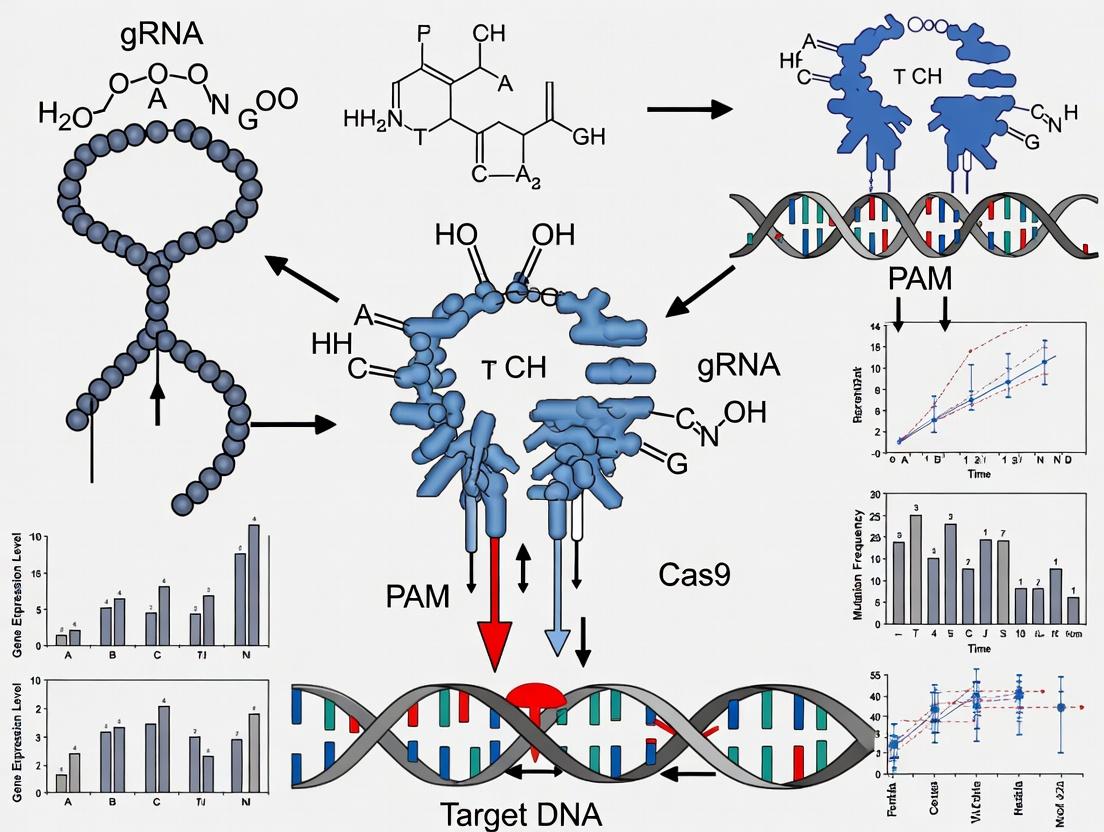
This article provides a comprehensive resource for researchers utilizing CRISPR/Cas9 ribonucleoprotein (RNP) complexes to validate biosynthetic gene clusters (BGCs) in fungi.
CRISPR/Cas9 RNP for Gene Cluster Validation in Fungi: A Practical Guide for Natural Product Discovery
Abstract
This article provides a comprehensive resource for researchers utilizing CRISPR/Cas9 ribonucleoprotein (RNP) complexes to validate biosynthetic gene clusters (BGCs) in fungi. Targeting scientists in natural product discovery and fungal biology, we explore the foundational principles of fungal gene clusters and the advantages of RNP delivery. A detailed, step-by-step methodological guide is presented, from RNP complex assembly to fungal transformation and mutant screening. We address common troubleshooting challenges and optimization strategies for recalcitrant species. Finally, we compare RNP-based validation to traditional methods (e.g., homologous recombination, RNAi) and discuss advanced validation techniques like heterologous expression and metabolomics. This guide empowers researchers to efficiently link fungal genotypes to chemotypes, accelerating the discovery of novel bioactive compounds.
Unlocking Fungal Factories: The Why and How of Gene Cluster Validation with CRISPR RNP
Fungal Biosynthetic Gene Clusters (BGCs) are co-localized sets of genes that encode the machinery for producing a specific natural product or family of related molecules. These secondary metabolites are a prolific source of pharmaceuticals (e.g., penicillin, statins, cyclosporine), agrochemicals, and industrial enzymes. The systematic identification and functional validation of these cryptic clusters is a major frontier in natural product discovery, accelerated by genomics and genome editing technologies like CRISPR/Cas9.
Key Classes of Fungal Natural Products and Their BGCs
Table 1: Major Classes of Fungal Natural Products from BGCs
| Natural Product Class | Example Compounds | Bioactive Properties | Typical BGC Size (kb) | Core Enzymes |
|---|---|---|---|---|
| Polyketides | Lovastatin (cholesterol-lowering), Aflatoxin (mycotoxin) | Anticholesterolemic, Toxic, Antimicrobial | 10 - 80 | Polyketide Synthases (PKSs) |
| Non-Ribosomal Peptides | Penicillin (antibiotic), Cyclosporine (immunosuppressant) | Antibacterial, Immunosuppressive, Antifungal | 10 - 100 | Non-Ribosomal Peptide Synthetases (NRPSs) |
| Terpenes | Gibberellins (plant hormones), Trichothecenes (mycotoxins) | Phytohormonal, Toxic, Anticancer | 10 - 50 | Terpene Synthases/Cyclases (TSs/TCs) |
| Hybrid (e.g., PKS-NRPS) | Fusarin C (mycotoxin), Equisetin (antibiotic) | Cytotoxic, Antimicrobial | 30 - 120 | PKS, NRPS, Hybrid Enzymes |
| Alkaloids | Ergotamine (vasoconstrictor), Fumigaclavine C (anti-inflammatory) | Neuromodulatory, Anti-inflammatory | 15 - 60 | Dimethylallyltryptophan Synthases (DMATSs) |
Table 2: Quantitative Overview of Fungal Genomic Potential (Selected Studies)
| Fungal Species | Total Predicted BGCs (per Genome) | % of Clusters Characterized (Approx.) | Common Genomic Mining Tools | Reference Year (Range) |
|---|---|---|---|---|
| Aspergillus nidulans | 56 - 72 | ~15% | antiSMASH, SMURF, MIBiG | 2017-2023 |
| Penicillium chrysogenum | 38 - 45 | ~20% | antiSMASH, FungiSMASH | 2018-2022 |
| Filamentous Ascomycete (average) | 40 - 70 | <10% | antiSMASH, DeepBGC | 2020-2024 |
| Basidiomycete (average) | 20 - 40 | <5% | antiSMASH, PRISM | 2019-2023 |
Experimental Protocols for BGC Identification and Validation
Protocol 1:In SilicoIdentification of Fungal BGCs
Objective: To computationally identify putative BGCs from fungal genome sequences.
Materials:
- Fungal genome assembly (FASTA format).
- High-performance computing cluster or local server.
- BGC prediction software (e.g., antiSMASH, FungiSMASH).
Method:
- Data Preparation: Ensure the genome assembly is annotated (GFF3 format) or use ab initio gene prediction tools (e.g., AUGUSTUS) if annotations are unavailable.
- Software Execution: Run the antiSMASH (or FungiSMASH) pipeline. Example command for antiSMASH:
antismash --genefinding-tool prodigal --taxon fungi --minlength 5000 genome_assembly.fna - Parameter Setting: Adjust the minimum cluster size (default is often 5kb; 3-5kb is suitable for fungi). Enable all analysis modules (e.g., for PFAM domains, TERPEST, etc.).
- Output Analysis: Review the HTML output for cluster boundaries, core biosynthetic genes (PKS, NRPS, TS), and putative product predictions. Cross-reference identified clusters with the MIBiG database for known analogs.
- Prioritization: Prioritize clusters for experimental validation based on: a) Lack of known product (cryptic cluster), b) Presence of regulators or transporters within the cluster, c) Phylogenetic analysis showing divergence from known clusters, d) Expression data (RNA-seq) indicating inducibility under specific conditions.
Protocol 2: CRISPR/Cas9 RNP-Mediated Knockout for BGC Validation
Objective: To rapidly validate the biological function of a prioritized fungal BGC by knocking out its core biosynthetic gene using CRISPR/Cas9 Ribonucleoprotein (RNP) complexes.
Materials:
- Fungal Strain: Target fungus with a tractable protoplast system.
- Cas9 Protein: Purified Streptococcus pyogenes Cas9 nuclease.
- sgRNA: In vitro transcribed or chemically synthesized single-guide RNA targeting a conserved domain (e.g., ketosynthase domain of a PKS). Design using tools like CHOPCHOP or CRISPR-RT.
- PEG-mediated Protoplast Transformation Reagents: Lysing enzymes (e.g., Glucanex, Driselase), osmotic stabilizer (e.g., 1M Sorbitol), PEG solution (40% PEG 4000).
- Selection Marker: DNA cassette for homologous recombination (HR donor) containing a selectable marker (e.g., hygromycin B resistance hph gene) flanked by ~1kb homology arms up/downstream of the Cas9 cut site.
Method:
- sgRNA Design & Preparation:
- Identify a 20-nt NGG (PAM) target sequence within the first third of the core biosynthetic gene's coding sequence. Verify specificity via BLAST against the host genome.
- Synthesize sgRNA via in vitro transcription (MEGAshortscript T7 Kit) or purchase commercially.
- Anneal sgRNA with Cas9 protein (ratio ~3:1, sgRNA:Cas9) in nuclease-free buffer to form RNP complex. Incubate at 25°C for 10 min.
Protoplast Preparation & Transformation:
- Grow the fungal strain in appropriate liquid medium for 36-48 hours.
- Harvest mycelia, wash, and digest with lysing enzymes in osmotic stabilizer for 3-4 hours at 30°C with gentle shaking.
- Filter through Miracloth, pellet protoplasts (centrifuge at 1000 x g, 10 min), wash twice with osmotic stabilizer.
- For transformation, mix 10^6 protoplasts with: 5µL of RNP complex (100-200 ng/µL Cas9), 5µg of purified HR donor DNA, and 50µL of PEG solution. Incubate on ice for 20 min.
- Add additional PEG, incubate at room temperature for 20 min.
- Dilute with osmotic stabilizer, plate onto regeneration agar (non-selective). Incubate overnight.
Selection & Screening:
- Overlay regeneration plates with agar containing the appropriate antibiotic (e.g., hygromycin B, 100 µg/mL).
- After 3-7 days, pick resistant colonies. Screen via PCR using primers outside the homology arms to confirm correct gene replacement.
Metabolite Profiling:
- Culture the wild-type and knockout mutant under identical conditions (e.g., multiple media, time points).
- Extract metabolites with organic solvents (e.g., ethyl acetate for non-polar, butanol for polar compounds).
- Analyze extracts by LC-MS/MS. Compare chromatograms to identify peaks present in the wild-type but abolished in the knockout mutant. Use HRMS and NMR for structural elucidation of the lost compound.
Visualizations
Diagram 1: From Genome Mining to BGC Validation Workflow (87 chars)
Diagram 2: CRISPR/Cas9 RNP Mechanism for BGC Knockout (78 chars)
The Scientist's Toolkit: Research Reagent Solutions
Table 3: Essential Materials for Fungal BGC Validation via CRISPR/Cas9 RNP
| Item/Category | Specific Example or Vendor (Illustrative) | Function in Protocol |
|---|---|---|
| Cas9 Nuclease | Alt-R S.p. Cas9 Nuclease V3 (IDT), or purified recombinant His-tagged Cas9. | The DNA endonuclease that creates a double-strand break at the target site guided by sgRNA. |
| sgRNA Synthesis | MEGAshortscript T7 Transcription Kit (Thermo Fisher), or custom chemical synthesis. | Produces the single-guide RNA component for target specificity and Cas9 recruitment. |
| Protoplasting Enzymes | Glucanex (Novozymes), Driselase (Sigma-Aldrich), VinoTaste Pro. | Digest fungal cell wall (β-glucans, chitin) to generate protoplasts for transformation. |
| Osmotic Stabilizer | 1.0-1.2 M Sorbitol or MgSO₄ solution. | Maintains osmotic pressure to prevent protoplast lysis during preparation and transformation. |
| Transformation Agent | Polyethylene Glycol (PEG) 4000, 40% (w/v) in stabilizer with Ca²⁺. | Facilitates the uptake of RNP complexes and donor DNA into fungal protoplasts. |
| Homology-Directed Repair (HDR) Donor Template | gBlocks Gene Fragments or PCR-amplified cassettes with homology arms. | DNA template for precise repair of Cas9-induced break, introducing a selection marker to replace the target gene. |
| Selection Antibiotics | Hygromycin B, Phleomycin, Nourseothricin. | Selects for transformants that have successfully integrated the donor DNA cassette. |
| Metabolite Extraction Solvents | Ethyl Acetate, Methanol, Butanol, analytical grade. | Extracts secondary metabolites from fungal culture broths or mycelia for comparative analysis. |
| LC-MS/MS System | UHPLC coupled to Q-TOF or Orbitrap mass spectrometer. | High-resolution comparative metabolomics to identify the compound produced by the target BGC. |
Application Notes: Functional Validation of Biosynthetic Gene Clusters (BGCs) in Fungi
The primary challenge in fungal natural product discovery is connecting genomic predictions of BGCs to observable chemical output. This application note details a CRISPR/Cas9 Ribonucleoprotein (RNP)-based workflow for rapid, marker-free validation of putative fungal BGCs, enabling direct correlation between genotype and metabolome.
Key Quantitative Outcomes from Recent Studies (2023-2024): Table 1: Efficacy Metrics of CRISPR/Cas9 RNP for BGC Manipulation in Fungi
| Parameter | Aspergillus nidulans | Fusarium graminearum | Penicillium chrysogenum | Average/Note |
|---|---|---|---|---|
| Transformation Efficiency | 40-60 CFU/µg DNA (protoplast) | 25-40 CFU/µg DNA | 50-80 CFU/µg DNA | Protocol-dependent |
| Gene Knockout Efficiency | 85-95% | 70-90% | 80-95% | Among transformants |
| Multiplex Editing (Max Loci) | 3 | 2 | 4 | Co-delivery of RNPs |
| Time to Phenotype (vs. WT) | 7-10 days | 10-14 days | 5-7 days | From transformation |
| BGC Activation Rate | ~30% (silent clusters) | ~15% | ~40% (by regulator KO) | Varies by cluster |
Table 2: Analytical Confirmation of Chemical Output Post-Validation
| Analytical Method | Detection Limit for Target NP | Time per Sample | Key Metric for Validation |
|---|---|---|---|
| UPLC-MS/MS | 0.1-1.0 ng/mL | 20 min | Exact mass (± 5 ppm), MS/MS fragmentation match |
| HR-LC-MS | 0.01-0.1 ng/mL | 30 min | Isotopic pattern accuracy, high-res m/z |
| NMR (1H) | ~10 µg (in purified sample) | 30 min-1 hr | Chemical shift, coupling constant correlation |
Detailed Protocols
Protocol 2.1: CRISPR/Cas9 RNP Design and Assembly for BGC Regulator Deletion
Objective: Generate RNP complexes for knockout of a transcriptional regulator predicted to repress a target BGC.
Materials:
- S. pyogenes Cas9 Nuclease (commercially available, e.g., 20 µM stock)
- TracrRNA (commercially available, 100 µM stock)
- Chemically synthesized crRNAs (target-specific, 100 µM stock). Design 2 crRNAs flanking the target gene's coding sequence.
- Nuclease-Free Duplex Buffer (e.g., 30 mM HEPES, 100 mM KCl, pH 7.5)
- RNase inhibitor
Procedure:
- crRNA:tracrRNA Duplex Formation: For each target site, mix:
- 1 µL crRNA (100 µM)
- 1 µL tracrRNA (100 µM)
- 8 µL Nuclease-Free Duplex Buffer
- Heat to 95°C for 5 min, then cool to room temperature (~20 min). Store on ice. Yields ~10 µM duplex guide RNA (gRNA).
- RNP Complex Assembly: For each transfection, mix:
- 2 µL Cas9 nuclease (20 µM)
- 2 µL gRNA duplex (10 µM)
- 1 µL RNase inhibitor (40 U/µL)
- 5 µL Cas9 Reaction Buffer
- Incubate at 37°C for 10 min to form active RNP complexes. Use immediately.
Protocol 2.2: Fungal Protoplast Preparation and RNP Delivery
Objective: Introduce pre-assembled RNPs into fungal hyphae to facilitate genomic editing.
Materials:
- Young fungal mycelia (16-24 hr growth in liquid culture)
- Lysing Enzymes (e.g., from Trichoderma harzianum)
- 0.7 M NaCl as osmotic stabilizer
- STC Buffer: 1.2 M Sorbitol, 10 mM Tris-HCl (pH 7.5), 50 mM CaCl₂
- 40% PEG 4000 in STC
- Regeneration Agar (with appropriate osmotic stabilizer)
Procedure:
- Harvest mycelia by filtration, wash with 0.7 M NaCl.
- Resuspend mycelia in 20 mL lysing enzyme solution (15-30 mg/mL in 0.7 M NaCl). Incubate with gentle shaking (80 rpm) at 30°C for 3-4 hrs.
- Filter protoplast suspension through sterile miracloth into a 50 mL tube.
- Pellet protoplasts by gentle centrifugation (1500 x g, 10 min, 4°C).
- Wash pellet twice with STC buffer.
- Resuspend protoplasts in STC at a density of 10⁸ cells/mL.
- Transformation: In a sterile tube, mix 100 µL protoplasts with 10 µL assembled RNP complexes. Add 25 µL of 40% PEG 4000 in STC, mix gently. Incubate at room temp for 20 min.
- Dilute with 1 mL STC, plate onto regeneration agar. Incubate at optimal growth temperature for 24-48 hrs before overlaying with selective medium or performing colony PCR screening.
Protocol 2.3: Metabolite Extraction and Chemical Analysis for Validation
Objective: Compare secondary metabolite profiles of mutant versus wild-type strains.
Materials:
- Fungal agar plugs (5 mm diameter) from colony edge
- Ethyl Acetate with 1% Formic Acid
- Anhydrous Magnesium Sulfate
- LC-MS Grade Acetonitrile and Water
- UPLC-MS/MS System with C18 reversed-phase column (e.g., 1.7 µm, 2.1 x 100 mm)
Procedure:
- Extract agar plugs with 1 mL ethyl acetate/1% formic acid in a sonication bath for 30 min.
- Transfer supernatant, dry under nitrogen stream.
- Reconstitute dried extract in 100 µL 50% acetonitrile/water.
- Centrifuge at 14,000 x g for 5 min, transfer supernatant to LC vial.
- LC-MS Analysis: Inject 5 µL. Use a gradient from 5% to 100% acetonitrile (in water, both with 0.1% formic acid) over 15 min at 0.3 mL/min.
- Acquire data in positive/negative electrospray ionization mode with full scan (m/z 100-1500) and data-dependent MS/MS.
- Process data using software (e.g., MZmine, XCMS) to align peaks and perform differential analysis between mutant and control chromatograms.
Diagrams
Title: CRISPR-Chemical Validation Workflow
Title: BGC Activation via Repressor Knockout
The Scientist's Toolkit: Research Reagent Solutions
Table 3: Essential Reagents for CRISPR/Cas9 RNP-based BGC Validation in Fungi
| Reagent/Material | Supplier Examples | Function in Workflow |
|---|---|---|
| Alt-R S.p. Cas9 Nuclease V3 | Integrated DNA Technologies (IDT) | High-activity, recombinant Cas9 protein for RNP assembly. |
| Alt-R CRISPR-Cas9 crRNA & tracrRNA | Integrated DNA Technologies (IDT) | Synthetic, chemically modified RNAs for high-efficiency target cleavage and stability. |
| Lysing Enzymes from Trichoderma harzianum | Sigma-Aldrich | Digest fungal cell walls to generate protoplasts for transformation. |
| PEG 4000 | Thermo Fisher Scientific | Promotes membrane fusion during protoplast transformation for RNP delivery. |
| Zymo Research Fungi/Bacteria DNA Miniprep Kit | Zymo Research | Rapid isolation of genomic DNA from fungal mycelia for PCR genotyping. |
| KAPA2G Robust HotStart PCR Kit | Roche Sequencing | High-fidelity PCR for screening edited fungal colonies. |
| Acquity UPLC HSS T3 Column | Waters Corporation | High-resolution chromatography for separating complex fungal metabolite extracts. |
| HyperSep C18 Solid Phase Extraction Cartridges | Thermo Fisher Scientific | Clean-up and concentration of fungal culture extracts prior to LC-MS. |
Why CRISPR/Cas9 RNP? Key Advantages Over Plasmid-Based Systems in Fungi
Application Notes
Within a thesis focused on validating biosynthetic gene clusters (BGCs) in fungi, the choice of CRISPR/Cas9 delivery system is critical. The Ribonucleoprotein (RNP) complex, comprising purified Cas9 protein and a synthetic guide RNA (sgRNA), presents distinct advantages over traditional plasmid-based expression systems for fungal genome editing.
Core Advantages for Fungal Research:
- Transient Activity, Reduced Off-Targets: RNP complexes degrade rapidly after delivery, limiting the time window for Cas9 activity. This transient nature minimizes off-target mutagenesis, a crucial factor when editing complex, often repetitive, fungal genomes and gene clusters.
- Immediate Activity, No Host Transcription/Translation Required: Unlike plasmid systems, which require host cellular machinery to transcribe cas9 and sgRNA, the RNP is functional immediately upon delivery. This bypasses potential inefficiencies in fungal transcriptional/translational regulation of heterologous sequences.
- Elimination of DNA Integration Risks: The RNP system leaves no exogenous DNA footprint (aside from potential repair templates). This eliminates the risk of plasmid integration into the host genome, which can disrupt native genes or regulatory elements within a BGC, leading to confounding phenotypes.
- Bypasses Molecular Biology Hurdles: Plasmid-based CRISPR in fungi often requires the development of species-specific promoters and selectable markers. RNP delivery is largely agnostic to these constraints, facilitating rapid toolkit application across diverse fungal species, including non-model and slow-growing strains.
- Faster Workflow for Gene Cluster Validation: The entire process—from sgRNA design to mutant screening—is significantly accelerated with RNPs, enabling high-throughput knockout of multiple genes within a suspected BGC to map biosynthetic pathways.
Quantitative Comparison of CRISPR Delivery Methods in Fungi
Table 1: Comparative Analysis of CRISPR/Cas9 Delivery Methods for Fungal Gene Editing
| Parameter | CRISPR/Cas9 RNP (e.g., Electroporation) | Plasmid-Based CRISPR (Integrative) | Plasmid-Based CRISPR (Episomal) |
|---|---|---|---|
| Time to Active Complex | Minutes to Hours (immediate) | 24-72+ Hours (requires transcription/translation) | 24-72+ Hours (requires transcription/translation) |
| Typical Editing Efficiency (Fungi) | 10% - 80% (species-dependent) | 1% - 30% | 5% - 50% |
| Off-Target Mutation Risk | Low (transient activity) | High (sustained expression) | Medium-High (episomal persistence) |
| Exogenous DNA Integration Risk | None | High (random integration) | Low (but possible) |
| Protocol Development Time | Short (optimize delivery) | Long (require fungal promoters, markers) | Long (require fungal replicons, markers) |
| Applicability to Non-Model Fungi | High | Low to Medium | Medium |
Protocols
Protocol 1: RNP Complex Assembly and PEG-Mediated Protoplast Transformation inAspergillusspp.
Objective: To achieve targeted gene knockout in Aspergillus via delivery of pre-assembled Cas9-sgRNA RNP complexes.
Research Reagent Solutions & Essential Materials:
Table 2: Key Reagents for Fungal RNP Transformation
| Item | Function | Example/Notes |
|---|---|---|
| Pure Cas9 Nuclease | CRISPR effector protein. | Recombinant S. pyogenes Cas9, HPLC-purified. |
| Chemically Synthesized sgRNA | Guides Cas9 to target genomic locus. | Target-specific 20-nt crRNA fused to tracrRNA, with 3' modifications for stability. |
| Lysing Enzymes | Generates fungal protoplasts. | Lywallzyme, Driselase, or Novozyme 234 in osmotic stabilizer. |
| Osmotic Stabilizer (1.2M KCl) | Maintains protoplast integrity. | Prevents lysis during manipulation. |
| Polyethylene Glycol (PEG) Solution | Induces membrane fusion for delivery. | 40% PEG 4000 or 6000 in buffer with CaCl₂. |
| DNA Repair Template (optional) | Homology-directed repair (HDR) donor. | Single-stranded oligodeoxynucleotide (ssODN) for precise edits. |
| Regeneration Media | Allows protoplast wall regeneration. | Rich media with osmotic stabilizer (e.g., sorbitol). |
Methodology:
- sgRNA Design & Preparation: Design a 20-nt spacer sequence specific to your target gene within the BGC using standard tools (e.g., ChopChop). Order chemically synthesized sgRNA with recommended stability modifications.
- Protoplast Preparation:
- Inoculate 10⁸ fungal spores in liquid media and incubate (e.g., 16-24h, 30°C, 220 rpm).
- Harvest young mycelia by filtration, wash with osmotic stabilizer (1.2M KCl).
- Digest cell wall in 10 mL osmotic stabilizer containing 20-50 mg/mL lysing enzymes for 2-4 hours at 30°C with gentle shaking.
- Filter through sterile Miracloth, pellet protoplasts (1000 x g, 10 min), wash twice, and resuspend in osmotic stabilizer. Count using a hemocytometer.
- RNP Complex Assembly:
- In a sterile tube, combine 5 µg of purified Cas9 protein with a 3-5x molar excess of sgRNA (e.g., 200 pmol Cas9 + 600-1000 pmol sgRNA) in nuclease-free buffer.
- Incubate at 25°C for 10-15 minutes to allow complex formation.
- Transformation:
- Mix 10⁶ - 10⁷ protoplasts with the assembled RNP complex (and ~1 µg of ssODN repair template if performing HDR) in a final volume of 50-100 µL.
- Add 300 µL of 40% PEG solution, mix gently but thoroughly, and incubate at room temperature for 20-30 minutes.
- Dilute with 1 mL of osmotic stabilizer, plate onto regeneration media (without selective agents initially), and incubate overnight.
- Overlay with media containing appropriate selective agents (e.g., antibiotics for a repaired marker, or perform non-selective screening).
- Screening & Validation:
- After 3-5 days, transfer regenerated colonies to fresh media.
- Isolate genomic DNA and screen for edits via PCR amplification of the target locus followed by restriction fragment length polymorphism (RFLP) assay if a site was disrupted, or Sanger sequencing.
Protocol 2: RNP Delivery via Electroporation into Fungal Spores
Objective: A faster, protoplast-free method for delivering RNPs into fungal conidia or spores.
Methodology:
- Spore Preparation: Harvest fresh fungal spores from solid media using a solution of 0.8% NaCl + 0.005% Tween 80. Filter through sterile Miracloth, wash, and count. Consider pre-treating spores with a reducing agent (e.g., DTT) to weaken the cell wall.
- Electroporation Buffer: Use low-ionic-strength buffers like 1 mM HEPES pH 7.5 or dilute sucrose solution.
- RNP Assembly: Assemble complex as in Protocol 1, Step 3.
- Electroporation:
- Mix 10⁸ spores with the RNP complex (and donor DNA) in electroporation buffer in a 0.2 cm cuvette.
- Apply an electrical pulse (e.g., 1.5 kV, 200 Ω, 25 µF for Aspergillus niger). Optimal parameters are species-specific and must be empirically determined.
- Immediately add 1 mL of recovery media (rich media + osmotic support like 1M sorbitol).
- Transfer to a tube and incubate with shaking (2-3 hours, 30°C) to allow recovery and editing.
- Plating & Screening: Plate the spore suspension onto selective or non-selective media. Allow colonies to grow and screen as in Protocol 1, Step 5.
Visualizations
Title: Workflow Comparison: Plasmid vs RNP CRISPR Systems in Fungi
Title: RNP Workflow for Rapid Gene Cluster Validation in Fungi
Application Notes: Within Fungal Gene Cluster Validation
CRISPR/Cas9 Ribonucleoprotein (RNP) delivery is a transformative methodology for the rapid, transient, and precise editing of fungal genomes, particularly for the functional validation of biosynthetic gene clusters (BGCs). Unlike DNA-based expression systems, RNP complexes minimize off-target effects, circumvent the need for codon optimization and promoter selection in diverse fungal hosts, and eliminate the risk of genomic integration of foreign DNA. This is critical for efficient editing in non-model fungi, where genetic tools are often limited. The core efficacy of this approach hinges on three interdependent components: the design of highly specific single guide RNAs (sgRNAs), the selection of an appropriate Cas9 protein variant, and the optimized formation of the bioactive RNP complex. Successful application enables targeted knockouts, in-situ tagging, and multiplexed editing to elucidate the function of genes within BGCs, accelerating the discovery of novel bioactive compounds for drug development.
Table 1: Comparison of Common Cas9 Proteins for Fungal RNP Delivery
| Cas9 Variant | PAM Sequence | Size (kDa) | Fidelity (Relative to SpCas9) | Optimal Activity Buffer | Key Application in Fungi |
|---|---|---|---|---|---|
| SpCas9 (WT) | 5'-NGG-3' | 163 | 1x (Baseline) | NEBuffer 3.1 | Broad-host range knockout |
| SpCas9-HF1 | 5'-NGG-3' | 163 | ~4x Higher | NEBuffer 3.1 | High-fidelity editing in complex genomes |
| eSpCas9(1.1) | 5'-NGG-3' | 163 | ~2-4x Higher | NEBuffer 3.1 | Reduced off-targets for clustered genes |
| SaCas9 | 5'-NNGRRT-3' | 105 | ~1.5x Higher | NEBuffer 3.1 | Advantageous for size-limited delivery systems (e.g., some nanoparticles) |
| LbCas12a | 5'-TTTV-3' | 130 | ~1x | Cas12a Buffer | Generates sticky ends; useful for multiplexed, single-RNA array editing |
Table 2: Key Parameters for In Vitro sgRNA Transcription & RNP Formation
| Parameter | Typical Optimal Value/Range | Impact on RNP Activity |
|---|---|---|
| sgRNA in vitro transcription template | 100-200 ng PCR product or linearized plasmid | Yield and purity of full-length sgRNA |
| sgRNA purification method | Phenol-chloroform extraction + ethanol precipitation or spin-column based (e.g., miRNeasy) | Removes abortive transcripts, NTPs, and enzymes, reducing immune response in cells |
| Cas9:sgRNA molar ratio for complexing | 1:1.2 to 1:2 (Cas9:sgRNA) | Ensures complete saturation of Cas9; excess sgRNA can inhibit delivery |
| RNP complex incubation | 37°C for 10 min, then hold at 20-25°C | Proper folding and stable complex formation |
| Final RNP complex stability | < 1 hour at 25°C; longer on ice | Activity decays over time; use immediately post-formation |
Detailed Protocols
Protocol 1:In SilicosgRNA Design for Fungal BGCs
Objective: To design highly specific sgRNAs targeting genes within a fungal biosynthetic gene cluster.
- Target Identification: Annotate the target BGC using antiSMASH or similar tools. Identify essential genes (e.g., core biosynthetic enzymes, regulators) for functional knockout.
- PAM Identification: For SpCas9, scan both strands of the target gene sequence for all 5'-NGG-3' sequences. Note the genomic coordinate.
- On-Target Scoring: Use algorithms (e.g., CHOPCHOP, CRISPOR) to score candidate sgRNAs (20-nt protospacer preceding PAM). Prioritize guides with high efficiency (≥60) and specificity scores.
- Off-Target Analysis: Using the same tools, perform a genome-wide search for sequences with ≤3 mismatches. Disqualify sgRNAs with putative off-targets in coding or regulatory regions. The compact fungal genomes make this step critical.
- Final Selection: Select 2-3 sgRNAs per target gene. Prioritize guides targeting early exons or critical functional domains. Verify uniqueness by BLAST against the host genome.
Protocol 2:In VitroTranscription and Purification of sgRNA
Objective: To generate high-purity, chemical nuclease-free sgRNA.
Materials: DNA template (PCR product with T7 promoter), T7 RNA Polymerase Kit (NEB HiScribe), DNase I (RNase-free), Purification reagents (Phenol:Chloroform:IAA, 3M Sodium Acetate pH 5.5, 100% Ethanol).
- Transcription Reaction: Assemble a 20-40 µL reaction per manufacturer's instructions. Incubate at 37°C for 4-16 hours.
- DNase I Treatment: Add 1-2 µL of DNase I (RNase-free) directly to the reaction. Mix and incubate at 37°C for 15 min.
- Phenol-Chloroform Purification: a. Add equal volume of Acid-Phenol:Chloroform to the reaction. Vortex vigorously for 30 sec. b. Centrifuge at 12,000 x g for 5 min at 4°C. c. Carefully transfer the upper aqueous phase to a new tube. d. Add 1/10 volume of 3M Sodium Acetate (pH 5.5) and 2.5 volumes of 100% ethanol. Mix and incubate at -80°C for 30 min. e. Centrifuge at >12,000 x g for 30 min at 4°C. Wash pellet with 70% ethanol. f. Air-dry pellet and resuspend in nuclease-free TE buffer or water.
- Quantification & Quality Control: Measure concentration via Nanodrop. Assess integrity on a denaturing (e.g., 2% agarose, 6% Urea-PAGE) gel. Store at -80°C.
Protocol 3: RNP Complex Assembly and Validation
Objective: To form functional Cas9:sgRNA complexes and verify cleavage activity in vitro.
Materials: Purified Cas9 protein (commercial, e.g., IDT, NEB), purified sgRNA, NEBuffer 3.1, target genomic DNA PCR amplicon (≥500 bp).
- Complex Assembly: For a 10 µL complex, combine:
- 2 µL Cas9 protein (at 10 µM)
- 2.4 µL sgRNA (at 10 µM) (1:1.2 molar ratio)
- 0.6 µL Nuclease-Free Water
- 5 µL 2x NEBuffer 3.1 Mix gently by pipetting. Incubate at 37°C for 10 min, then hold at room temperature.
- In Vitro Cleavage Assay (Validation): a. Prepare a 20 µL reaction containing 200 ng of target DNA amplicon and 2 µL of the assembled RNP complex (from step 1) in 1x NEBuffer 3.1. b. Incubate at 37°C for 1 hour. c. Stop the reaction with Proteinase K (0.5 mg/mL, 10 min at 55°C). d. Analyze cleavage products by agarose gel electrophoresis (2-3% gel). Successful cleavage yields two smaller, predictable fragments from the original amplicon.
- Delivery Preparation: Following validation, scale up the RNP assembly reaction proportionally. For fungal protoplast or nucleofection-based delivery, the complex is typically used immediately after the 10 min incubation.
Diagrams
Title: RNP Workflow for Fungal Gene Editing
Title: RNP Complex Formation Mechanism
The Scientist's Toolkit: Research Reagent Solutions
Table 3: Essential Materials for CRISPR/Cas9 RNP in Fungi
| Item | Function/Description | Example Vendor/Product |
|---|---|---|
| sgRNA Template DNA | PCR product or plasmid containing T7 promoter + target-specific guide sequence. Source for in vitro transcription. | IDT gBlocks, Custom plasmid synthesis |
| High-Fidelity Cas9 Nuclease | Purified, recombinant Cas9 protein with reduced off-target activity. Critical for clean edits. | IDT Alt-R S.p. Cas9 Nuclease V3, NEB HiFi Cas9 |
| T7 RNA Polymerase Kit | High-yield in vitro transcription system for generating large amounts of sgRNA. | NEB HiScribe T7 Quick High Yield Kit |
| RNA Purification Kit/Reagents | For cleaning up transcribed sgRNA, removing enzymes, salts, and abortive transcripts. | Qiagen miRNeasy Kit, Phenol:Chloroform:IAA |
| Nuclease-Free Buffers & Water | Essential for all reaction setups to prevent degradation of RNA and RNP complexes. | IDT Nuclease-Free Duplex Buffer, Ambion Nuclease-Free Water |
| Electroporation/Nucleofection System | For efficient delivery of RNP complexes into fungal protoplasts. | Bio-Rad Gene Pulser, Lonza Nucleofector |
| Protoplast Generation Enzymes | Enzyme cocktails for digesting fungal cell walls to create transformable protoplasts. | Lysing Enzymes from Trichoderma harzianum, Driselase |
| Genomic DNA Extraction Kit (Fungi) | For isolating gDNA post-editing to validate mutations via sequencing or PCR. | Zymo Research Quick-DNA Fungal/Bacterial Kit |
| PCR Kit for Amplicon Validation | High-fidelity PCR enzyme for generating target amplicons for in vitro cleavage tests and genotyping. | NEB Q5 High-Fidelity DNA Polymerase |
This application note details the implementation of CRISPR/Cas9 Ribonucleoprotein (RNP) complexes for the functional validation of biosynthetic gene clusters (BGCs) in diverse fungal species. The shift from well-characterized model systems like Aspergillus nidulans to non-model, industrially or medically relevant fungi presents significant challenges, including complex genetics, lack of sexual cycles, and recalcitrance to transformation. CRISPR/Cas9 RNP delivery offers a rapid, DNA-free, and species-agnostic tool for precise genome editing, enabling direct genotype-to-phenotype linkage studies essential for natural product discovery and pathogenicity research.
Application Notes
Advantages of RNP Delivery in Fungi
CRISPR/Cas9 RNP systems utilize pre-assembled Cas9 protein and synthetic guide RNA, eliminating the need for endogenous transcription and translation. Key advantages include:
- Reduced Off-Target Effects: Rapid degradation of the RNP complex minimizes off-target editing windows.
- No Foreign DNA Integration: Critical for organisms where genomic integration of foreign DNA is problematic or triggers silencing.
- Rapid Editing: Edits can be detected within hours of protoplast transformation.
- Broad Applicability: Functions independently of species-specific promoters, making it ideal for non-model fungi.
Quantitative Comparison of Fungal Transformation Systems
The following table summarizes efficiency data for CRISPR/Cas9 delivery methods across fungal types.
Table 1: Comparison of CRISPR/Cas9 Delivery Methods in Fungi
| Fungal Category | Example Species | Delivery Method | Typical Editing Efficiency | Time to Genotype (days) | Key Limitation |
|---|---|---|---|---|---|
| Model Aspergilli | A. nidulans, A. oryzae | Plasmid (DNA) | 70-95% | 4-7 | Background integration, screening burden |
| Model Aspergilli | A. nidulans, A. oryzae | CRISPR RNP (PEG) | 50-80% | 3-5 | Protoplast viability |
| Non-Model (Tractable) | Penicillium rubens | CRISPR RNP (PEG) | 30-60% | 5-10 | Optimized protoplastation required |
| Non-Model (Challenging) | Fusarium graminearum | CRISPR RNP (PEG) | 10-40% | 10-14 | Low transformation frequency |
| Non-Model (Challenging) | Mucor circinelloides | CRISPR RNP (AMM) | 5-25% | 14-21 | Cell wall digestion efficiency |
Abbreviations: PEG = Polyethylene Glycol-mediated protoplast transformation; AMM = Agaricus macro-mix (enzymatic digestion for recalcitrant species).
Critical Signaling Pathways for Secondary Metabolism
Fungal BGC expression is tightly regulated by developmental and environmental signaling networks. Successful gene cluster validation often requires perturbation of these pathways to derepress silent clusters.
Diagram 1: Core Fungal Signaling Impacting BGCs
Experimental Protocols
Protocol 1: CRISPR/Cas9 RNP Assembly and Validation for BGC Knockout
Objective: To disrupt a core biosynthetic gene (e.g., polyketide synthase) within a target BGC.
Materials (Research Reagent Solutions):
- Recombinant S. pyogenes Cas9 Nuclease (NLS-tagged): High-purity protein for RNP complex formation.
- Chemically Modified sgRNA: Synthetic crRNA:tracrRNA duplex or single-guide RNA with 2'-O-methyl 3' phosphorothioate modifications to enhance nuclease stability.
- Annexin V-FITC Apoptosis Kit: For assessing protoplast viability post-transformation.
- Fungal Protoplasting Solution: Lysing enzymes from Trichoderma harzianum (e.g., 15 mg/mL in 1.2 M MgSO4) for model species. For recalcitrant species, a customized "Agaricus Macro-Mix" containing chitinase, β-glucanase, and cellulase is required.
- PEG Solution (40% w/v): Polyethylene Glycol 4000 in 10 mM Tris-HCl, pH 7.5, and 50 mM CaCl2.
- Regeneration Agar: Osmotically stabilized medium with appropriate carbon sources and 1 M sucrose.
Method:
- sgRNA Design: Design a 20-nt spacer sequence targeting an early exon of the target gene. Verify specificity via BLAST against the host genome.
- RNP Complex Assembly:
- Dilute Cas9 protein to 10 µM in Cas9 buffer (20 mM HEPES, 150 mM KCl, pH 7.5).
- Anneal equimolar amounts of crRNA and tracrRNA (or use pre-annealed sgRNA) to a final concentration of 30 µM in Nuclease-Free Duplex Buffer.
- Incubate Cas9 protein and guide RNA at a 1:2 molar ratio (e.g., 5 µL Cas9 + 3.3 µL sgRNA) for 10 minutes at 25°C to form the RNP complex.
- Fungal Protoplast Preparation (for Aspergillus sp.):
- Grow fungal mycelia in 50 mL liquid culture for 16-24 hours at relevant temperature (e.g., 28°C).
- Harvest by filtration, wash with osmoticum (1.2 M MgSO4), and resuspend in 10 mL protoplasting solution.
- Incubate with gentle shaking (80 rpm) for 3-4 hours.
- Filter through Miracloth, pellet protoplasts (centrifuge at 800 x g, 10 min), wash twice with STC buffer (1.2 M sorbitol, 10 mM Tris-HCl, 50 mM CaCl2, pH 7.5), and resuspend in STC. Determine viability using Annexin V staining (aim for >90%).
- Transformation:
- Mix 100 µL protoplasts (~10^7 cells) with 10 µL assembled RNP complex. Incubate on ice for 30 minutes.
- Add 250 µL of 40% PEG solution dropwise, mixing gently. Incubate at room temperature for 20 minutes.
- Dilute with 1 mL of STC buffer, mix, and plate onto regeneration agar.
- Incubate for 36-48 hours until micro-colonies appear.
- Screening and Validation:
- Transfer colonies to 96-well plates. After 72 hours of growth, perform colony PCR across the target locus.
- Analyze PCR products by agarose gel electrophoresis. Bands larger or smaller than the wild-type indicate indels.
- Sanger sequence PCR products from putative mutants to characterize exact edits.
- Extract metabolites from mutant and wild-type cultures and analyze by HPLC-MS to confirm loss of cluster product.
Protocol 2: AMM-Based Transformation for Recalcitrant Non-Model Species
Objective: To generate editable protoplasts from fungi with robust, complex cell walls (e.g., Mucoromycotina).
Workflow Diagram:
Diagram 2: AMM Workflow for Recalcitrant Fungi
Method:
- Mycelial Preparation: Grow fungus on cellophane-overlaid agar plates for 36-48h. Scrape young, actively growing mycelia.
- Mechanical Disruption: Vortex mycelial slurry with sterile glass beads (≤0.5 mm) for 3 x 30-second pulses to create fragmentation points for enzyme access.
- AMM Digestion: Incubate disrupted mycelia in AMM solution (2% chitinase, 1.5% β-glucanase, 0.5% cellulase in 1 M (NH4)2SO4, pH 5.5) for 5-6 hours at 30°C with gentle rotation.
- Protoplast Purification: Filter through a 40 µm nylon mesh. Pellet protoplasts (500 x g, 10 min). Wash twice with 1.2 M (NH4)2SO4 solution.
- Transformation: Follow Protocol 1, Step 4, but use (NH4)2SO4-based osmotic buffers throughout. Regeneration agar should also contain 1 M (NH4)2SO4 as the osmotic stabilizer.
The Scientist's Toolkit: Essential Reagents
Table 2: Key Research Reagent Solutions for CRISPR/Cas9 RNP in Fungi
| Reagent / Material | Function / Purpose | Example Product / Specification |
|---|---|---|
| NLS-tagged SpyCas9 Protein | The endonuclease component of the RNP complex. Nuclear Localization Signal (NLS) ensures nuclear import. | Recombinant, >90% purity, endotoxin-free. |
| Chemically Modified sgRNA | Guides Cas9 to the specific genomic target site. Chemical modifications increase stability in vivo. | HPLC-purified, 2'-O-methyl 3' phosphorothioate modifications on first/last 3 nucleotides. |
| Lysing Enzymes (e.g., from T. harzianum) | Digests fungal cell wall (β-glucans) of tractable species to generate protoplasts. | Lyophilized powder, activity >20,000 U/g. |
| Custom Agaricus Macro-Mix (AMM) | Enzyme cocktail for digesting complex cell walls of recalcitrant fungi (contains chitinase, β-glucanase). | Must be formulated based on target species' cell wall composition. |
| Osmotic Stabilizers (MgSO4, Sorbitol, (NH4)2SO4) | Maintain osmotic pressure to prevent protoplast lysis during and after transformation. | Molecular biology grade, prepared in sterile, nuclease-free water. |
| Polyethylene Glycol 4000 (PEG) | Facilitates membrane fusion, allowing RNP complexes to enter protoplasts. | 40% w/v solution in CaCl2/Tris buffer, filter sterilized. |
| Annexin V-FITC / PI Apoptosis Kit | Quantitative assessment of protoplast viability before and after transformation. | Fluorescence-based assay for flow cytometry or microscopy. |
Step-by-Step Protocol: Delivering and Applying CRISPR RNP in Fungal Systems
Application Notes
This protocol details the first critical steps in preparing ready-to-transfect CRISPR/Cas9 Ribonucleoprotein (RNP) complexes for the targeted editing of fungal gene clusters. The use of pre-assembled RNPs, as opposed to plasmid-based delivery, offers significant advantages in fungal systems, including reduced off-target effects, minimal residual Cas9 activity, and the avoidance of genomic integration of exogenous DNA. This is particularly vital for the functional validation of biosynthetic gene clusters (BGCs) in fungi, where precise, transient editing can link cluster components to metabolite production without confounding genetic backgrounds. The in vitro synthesis of sgRNA ensures high purity and allows for the rapid screening of multiple guide RNAs targeting different regions of a BGC prior to fungal transformation.
Table 1: Comparison of Common sgRNA Synthesis Methods
| Method | Template Requirement | Typical Yield (µg) | Time (hours) | Cost per Reaction | Key Advantage |
|---|---|---|---|---|---|
| T7 Polymerase IVT | Double-stranded DNA template with T7 promoter | 20-50 | 2-3 | Low | High yield, scalable |
| Chemical Synthesis | None (pre-made) | 0.1-1.0 | N/A (purchased) | High (bulk) | Includes modifications (e.g., 2'-O-methyl) |
| PCR-based IVT | PCR-amplified template with T7 promoter | 10-30 | 3-4 | Very Low | No cloning required, rapid design |
Table 2: Recommended Cas9:sgRNA Molar Ratios for RNP Assembly
| Application | Cas9:sgRNA Molar Ratio | Incubation Time (min) | Temperature (°C) | Purpose |
|---|---|---|---|---|
| Standard Fungal Protoplast Transfection | 1:1.2 to 1:1.5 | 15-20 | 25 | Maximizes complex formation for high activity |
| Electroporation | 1:1.5 to 1:2 | 10 | 25 | Ensures excess sgRNA for efficient loading |
| Long-term storage (-80°C) | 1:1.2 | 10 | 25 | Minimizes free sgRNA degradation |
Experimental Protocols
Protocol 1.1: In Vitro Transcription (IVT) of sgRNA using T7 RNA Polymerase
Principle: A double-stranded DNA template containing a T7 promoter sequence upstream of the sgRNA scaffold and a 20-nt target-specific sequence is transcribed by T7 RNA Polymerase.
Materials:
- Template DNA: 1 µg of dsDNA template (PCR product or linearized plasmid).
- NTP Mix: 25 mM each of ATP, UTP, CTP, and GTP.
- 10X Transcription Buffer: (400 mM Tris-HCl pH 8.0, 100 mM MgCl2, 20 mM spermidine, 100 mM DTT).
- T7 RNA Polymerase: (e.g., 50 U/µL).
- RNase Inhibitor: (e.g., 40 U/µL).
- DNase I (RNase-free).
- Nuclease-free Water.
Procedure:
- Prepare IVT Mix: In a sterile, nuclease-free microcentrifuge tube, assemble the following at room temperature (to prevent spermidine-induced DNA precipitation):
- Nuclease-free water to 20 µL final volume.
- 2 µL 10X Transcription Buffer.
- 2 µL NTP Mix (25 mM each).
- 1 µL Template DNA (1 µg).
- 1 µL RNase Inhibitor (40 U).
- 1 µL T7 RNA Polymerase (50 U).
- Incubate: Mix gently and incubate at 37°C for 2-3 hours.
- DNase I Treatment: Add 1 µL of RNase-free DNase I to the reaction. Mix and incubate at 37°C for 15 minutes to digest the DNA template.
- Purification: Purify the sgRNA using a standard spin-column based RNA cleanup kit. Elute in 30-50 µL of nuclease-free water.
- Quantification & Quality Control: Measure concentration using a spectrophotometer (Nanodrop). Expect an A260/A280 ratio of ~2.0. Analyze integrity by denaturing urea-PAGE or on a Bioanalyzer. Store at -80°C.
Protocol 1.2: Assembly of Cas9-sgRNA Ribonucleoprotein (RNP) Complex
Principle: Purified recombinant Cas9 protein is mixed with in vitro transcribed sgRNA at an optimal molar ratio to form an active RNP complex.
Materials:
- Recombinant Cas9 Nuclease: (e.g., 10 µM stock in storage buffer).
- Purified sgRNA: (From Protocol 1.1, diluted to working concentration).
- Nuclease-free Duplex Buffer: (e.g., 30 mM HEPES pH 7.5, 100 mM potassium acetate).
- Nuclease-free Water.
Procedure:
- Calculate Stoichiometry: For a standard 10 µL complex assembly, calculate volumes needed for a 1:1.2 molar ratio of Cas9:sgRNA. Assume Cas9 MW = 160 kDa, sgRNA MW = ~14 kDa.
- Example: For 5 µL of 10 µM Cas9 (50 pmol), use 50 * 1.2 = 60 pmol of sgRNA.
- Prepare RNP Complex:
- In a nuclease-free tube, dilute the calculated amount of sgRNA in Duplex Buffer.
- Heat the sgRNA mixture at 95°C for 2 minutes, then immediately place on ice for 2 minutes to denature and refold.
- Add the calculated volume of Cas9 protein directly to the refolded sgRNA.
- Mix gently by pipetting. Do not vortex.
- Incubate: Incubate the mixture at 25°C for 10-15 minutes to allow complex formation.
- Use or Store: The assembled RNP can be used immediately for fungal protoplast transfection or flash-frozen in liquid nitrogen and stored at -80°C for up to one month.
Visualizations
RNP Prep for Fungal Gene Editing
Cas9-RNP Complex Assembly
The Scientist's Toolkit
Table 3: Essential Research Reagent Solutions for In Vitro RNP Production
| Item | Function & Rationale | Example Product/Component |
|---|---|---|
| T7 RNA Polymerase Kit | High-yield, co-transcriptional capping-compatible systems for robust sgRNA synthesis. Essential for generating large amounts of functional guide RNA. | HiScribe T7 Quick High Yield RNA Synthesis Kit |
| Recombinant Cas9 Protein | Nuclease-ready, high-purity, endotoxin-free Cas9. Critical for direct complex formation without cellular expression. Must have high specific activity. | Alt-R S.p. Cas9 Nuclease V3 |
| RNase Inhibitor | Protects in vitro transcribed sgRNA from degradation during synthesis and assembly. Non-specific inhibitors (e.g., murine) are typically used. | RNaseOUT or SUPERase•In |
| Nucleoside Triphosphates (NTPs) | Pure, RNase-free ATP, UTP, GTP, CTP for IVT. Modified NTPs (e.g., Anti-Reverse Cap Analog) can be included for capped transcripts if needed. | NEB NTP Set |
| RNA Cleanup Kit | Efficient removal of enzymes, salts, and unincorporated NTPs from IVT reactions. Spin-column based for speed and convenience. | RNA Clean & Concentrator-25 |
| Nuclease-free Duplex Buffer | Optimized ionic buffer (e.g., containing HEPES and potassium) for proper folding of sgRNA and stable RNP complex formation. | IDT Duplex Buffer |
| Spectrophotometer / Fluorometer | Accurate quantification of sgRNA and protein concentrations. Fluorometric RNA assays are preferred for low-concentration or impure samples. | Qubit RNA HS Assay |
Within the broader thesis on utilizing CRISPR/Cas9 Ribonucleoprotein (RNP) complexes for the validation of biosynthetic gene clusters in fungi, the selection of an efficient and reliable transformation method is critical. Both protoplasting and electroporation are established techniques for introducing exogenous molecules, such as CRISPR RNP complexes, into fungal cells. The choice between them directly impacts editing efficiency, viability, and the successful functional analysis of targeted gene clusters for drug discovery.
Comparative Analysis: Protoplasting vs. Electroporation
The following table summarizes the key quantitative and qualitative parameters for both techniques, based on current literature and standard laboratory practices.
Table 1: Comparison of Protoplasting and Electroporation for Fungal CRISPR RNP Delivery
| Parameter | Protoplast-Based Transformation | Electroporation of Intact Cells |
|---|---|---|
| Key Principle | Enzymatic removal of cell wall, creating osmotically sensitive protoplasts for PEG-mediated uptake. | Application of a high-voltage electric pulse to transiently permeabilize the cell membrane. |
| Typical Efficiency (CFU/µg DNA) | 10 - 10³ (Highly strain and protocol dependent) | 10² - 10⁴ (Generally higher for many filamentous fungi) |
| Optimal RNP Form | CRISPR RNP complexes (pre-assembled Cas9+gRNA). | CRISPR RNP complexes or plasmid DNA. |
| Critical Reagents | Lysing enzymes (e.g., Novozyme, Glucanex), PEG, Osmotic stabilizer (e.g., MgSO₄, KCl). | Electroporation buffer (e.g., HEPES, sucrose/MgCl₂), pre-chilled cells. |
| Time to Completion | Long (3-6 hours for wall digestion + transformation). | Short (Pre-processing + pulse in <1.5 hours). |
| Cell Viability | Lower due to harsh enzymatic treatment and osmotic shock. | Variable; can be optimized to maintain good viability. |
| Strain Versatility | Broad, but enzyme cocktail must be optimized per species. | Broad, but electrical parameters need optimization. |
| Equipment Needs | Standard centrifuge, water bath. No specialized equipment. | Requires an electroporator and specific cuvettes. |
| Primary Advantage | Proven, classic method for many "hard-to-transform" fungi. | Rapid, no cell wall digestion required, often higher efficiency. |
| Primary Limitation | Labor-intensive, low throughput, high variability in protoplast quality. | Requires optimization of pulse conditions, risk of arcing. |
Experimental Protocols
Protocol A: Fungal Transformation via Protoplasting with CRISPR RNP
This protocol is adapted for delivering pre-assembled Cas9 RNP complexes into filamentous fungal protoplasts.
Materials & Reagents:
- Fungal mycelium (from a 16-40 hour culture).
- Lysing enzyme mixture (e.g., 10 mg/mL Glucanex in 1.2M MgSO₄).
- Osmotic stabilizer (1.2M MgSO₄ or 0.6M KCl).
- STC buffer: 1.2M Sorbitol, 10mM Tris-HCl (pH 7.5), 50mM CaCl₂.
- PEG solution: 60% PEG 4000, 50mM CaCl₂, 10mM Tris-HCl (pH 7.5).
- CRISPR RNP complex: pre-assembled from recombinant Cas9 protein and synthetic sgRNA (targeting the gene cluster of interest).
- Regeneration agar plates (with appropriate osmotic stabilizer and selection).
Method:
- Mycelial Preparation: Harvest young mycelia by filtration. Wash with osmotic stabilizer.
- Protoplast Generation: Resuspend mycelia in enzyme solution (~1g per 10mL). Incubate with gentle shaking at 30°C for 2-4 hours. Monitor release microscopically.
- Protoplast Purification: Filter the digest through sterile Miracloth. Pellet protoplasts by gentle centrifugation (4°C, 10 min, 800-1000g). Wash twice with ice-cold osmotic stabilizer.
- Transformation: Resuspend protoplasts in STC at ~10⁸ cells/mL. Aliquot 100µL. Add ~5-10µL of pre-assembled RNP complex (e.g., 5µg Cas9 + 200pmol sgRNA). Incubate on ice for 20 min.
- PEG-Mediated Uptake: Add 200µL of 60% PEG solution, mix gently, and incubate at room temp for 20 min.
- Regeneration: Dilute with 5mL of osmotic stabilizer, pellet gently, and resuspend in 1mL stabilizer. Plate onto regeneration agar (with/without selective agent). Incubate at optimal growth temperature for 5-7 days.
- Screening: Pick regenerated colonies for molecular validation (PCR, sequencing) of the edited gene cluster locus.
Protocol B: Fungal Transformation via Electroporation with CRISPR RNP
This protocol is optimized for delivering RNP complexes into intact fungal spores or young mycelia.
Materials & Reagents:
- Fungal conidia/spores or young mycelial fragments.
- Electroporation buffer (e.g., 1mM HEPES pH 7.5, 50mM sucrose, 1mM MgCl₂).
- Pre-assembled CRISPR RNP complex.
- Electroporator (e.g., Bio-Rad Gene Pulser) and 2mm gap cuvettes.
- Recovery medium (rich liquid medium).
Method:
- Cell Preparation: Harvest spores or fragment mycelia. Wash 3x in sterile, ice-cold electroporation buffer. Concentrate to ~10⁸ - 10⁹ cells/mL. Keep on ice.
- Electroporation Setup: Mix 50-100µL of cell suspension with 5-10µL of RNP complex in a pre-chilled electroporation cuvette. Incubate on ice for 5 min.
- Pulse Delivery: Apply a single electrical pulse. Typical parameters for fungal spores: Field strength 1.5-2.0 kV/cm, capacitance 25µF, resistance 400-600Ω. Pulse time should be ~5-10 msec.
- Immediate Recovery: Immediately add 1mL of ice-cold recovery medium to the cuvette. Transfer to a sterile tube.
- Outgrowth: Incubate with gentle shaking at optimal growth temperature for 12-24 hours to allow recovery and expression of edited phenotypes.
- Plating & Selection: Plate appropriate dilutions onto selective agar plates. Incubate for 3-5 days.
- Screening: Screen resulting colonies for edits via targeted PCR amplification and sequencing of the gene cluster region.
The Scientist's Toolkit: Research Reagent Solutions
Table 2: Essential Materials for Fungal CRISPR RNP Transformation
| Item | Function in Protocol | Key Consideration |
|---|---|---|
| Recombinant Cas9 Protein | The effector nuclease; forms the core of the RNP complex. | Ensure high purity, nuclease-free, and species-appropriate nuclear localization signals if needed. |
| Synthetic sgRNA | Guides the Cas9 protein to the specific target locus within the gene cluster. | Chemical modification (e.g., 2'-O-methyl) can enhance stability and efficiency. |
| Lysing Enzymes (Glucanex, Novozyme) | Digest fungal cell wall (β-glucans) to generate protoplasts (Protocol A). | Cocktail must be optimized for the fungal species; activity varies by batch. |
| Polyethylene Glycol (PEG 4000) | Induces membrane fusion/pores, facilitating RNP uptake in protoplast method (Protocol A). | Molecular weight and concentration are critical; must be prepared fresh. |
| Electroporation Cuvettes (2mm gap) | Holds cell/RNP mixture during electric pulse (Protocol B). | Must be sterile, cold, and compatible with the electroporator. |
| Osmotic Stabilizers (MgSO₄, Sorbitol) | Maintain osmotic pressure to prevent lysis of protoplasts (Protocol A). | Concentration is species-specific; critical for protoplast viability. |
| Electroporation Buffer (Low Conductivity) | Medium for cell suspension during electroporation; minimizes heat generation and arcing (Protocol B). | Typically contains sucrose/mannitol and Mg²⁺ ions. |
Visualized Workflows
Diagram 1: High-Level Comparison of the Two Transformation Workflows
Diagram 2: Post-Transformation CRISPR RNP Mechanism of Action
Following CRISPR/Cas9 RNP-mediated mutagenesis of a target gene cluster in fungi, rigorous screening and genotyping are essential to validate edits and correlate genotype with phenotype. This protocol details downstream methods for confirming CRISPR edits, characterizing mutant strains, and initiating functional analysis of the targeted gene cluster.
Application Notes
Primary Screening by Colony PCR
Rapid, high-throughput screening of transformants is achieved via colony PCR. This step identifies clones with potential insertion/deletion (indel) mutations or larger deletions within the targeted gene cluster region. Using primers flanking the Cas9 cut site(s), successful editing is indicated by amplicon size shifts or loss of amplification.
Recent data (2023-2024) indicates screening efficiency is highly dependent on the fungal species and transformation method. For Aspergillus nidulans protoplast transformation, typical editing efficiencies (percentage of transformants with targeted mutations) range from 20% to 70% for single guide RNAs (sgRNAs). Multiplexed editing with two sgRNAs to create a cluster deletion shows lower efficiencies, typically 5% to 25%.
Genotypic Validation by Sanger and Next-Generation Sequencing
Colony PCR-positive clones require precise sequence characterization. Sanger sequencing of cloned PCR products remains the gold standard for confirming indel sequences and assessing heterogeneity. For complex edits or multiplexed strategies, amplicon-based next-generation sequencing (NGS) is increasingly cost-effective and provides a detailed profile of editing outcomes across a population.
Current benchmarks from recent fungal CRISPR studies show that Sanger sequencing confirms ~85-95% of colony PCR putative hits. Amplicon NGS of pooled transformants can quantify the spectrum of mutations with high sensitivity, detecting variants present at >0.1% frequency.
Phenotypic Analysis
Validated mutant strains undergo phenotypic screening to assess the functional impact of the gene cluster knockout. Standardized assays for growth, sporulation, stress response, and, crucially, secondary metabolite production (e.g., HPLC or LC-MS) are performed in parallel with the wild-type strain.
Key quantitative metrics include inhibition zone assays for antimicrobial activity (measured in mm), chromatographic peak areas for putative metabolites (relative abundance), and comparative growth rates (mm/day).
Data Presentation
Table 1: Typical CRISPR/Cas9 RNP Editing and Screening Outcomes in Filamentous Fungi
| Parameter | Typical Range (Single sgRNA) | Typical Range (Dual sgRNA for Deletion) | Notes / Key Factors |
|---|---|---|---|
| Transformation Efficiency (CFU/µg DNA) | 10 - 100 | 5 - 50 | Species, protoplast quality |
| Editing Efficiency (% of transformants) | 20% - 70% | 5% - 25% | sgRNA design, RNP delivery |
| Colony PCR Positive Rate | 70% - 95% of edited clones | 60% - 90% of edited clones | Primer positioning, amplicon size |
| Sanger Sequencing Confirmation Rate | 85% - 95% | 80% - 90% | Mutation proximity to cut site |
| Homozygous/Mono-nuclear Edit Rate | 30% - 60% | 10% - 40% | Fungal nucleotype, sub-culturing |
Table 2: Core Phenotypic Analysis Metrics for Gene Cluster Mutants
| Assay Type | Measured Output | Wild-Type Baseline (Example) | Mutant Deviation Significance |
|---|---|---|---|
| Radial Growth | Colony diameter (mm) at 48h | 25 ± 2 mm | >15% change considered notable |
| Sporulation | Spores/mL (x10^6) | 5.0 ± 0.8 | >50% reduction considered severe |
| Secondary Metabolite A | HPLC Peak Area (mAU*min) | 450 ± 30 | >90% reduction indicates cluster involvement |
| Antimicrobial Activity | Inhibition Zone Diameter (mm) | 8.0 ± 0.5 | Complete loss confirms bioactivity link |
Experimental Protocols
Protocol 3.1: High-Throughput Colony PCR for Primary Screening
Materials:
- Fungal transformants growing on selective agar plates.
- PCR-ready lysate buffer (e.g., 10 mM Tris-HCl, pH 8.0, 1% Triton X-100, 20 µg/mL Proteinase K).
- Standard PCR reagents: Taq DNA Polymerase, dNTPs, MgCl₂, reaction buffer.
- Primer pair flanking target site(s) (20-25 nt, Tm ~60°C).
- Agarose gel electrophoresis supplies.
Method:
- Colony Lysis: Use a sterile pipette tip to pick a tiny amount of mycelium/spores from a transformant colony. Smear into 20 µL of lysate buffer in a PCR tube. Incubate at 95°C for 10 minutes, then cool to 4°C. Centrifuge briefly.
- PCR Setup: Prepare a 25 µL master mix per reaction: 12.5 µL 2x PCR mix, 1 µL each forward and reverse primer (10 µM), 9.5 µL nuclease-free water.
- PCR Reaction: Add 2 µL of colony lysate supernatant as template. Run PCR: Initial denaturation 95°C/3 min; 35 cycles of 95°C/30s, 60°C/30s, 72°C/1 min/kb; final extension 72°C/5 min.
- Analysis: Run 5-10 µL of product on a 1-2% agarose gel. Compare amplicon size to wild-type control. Size shifts indicate potential indels/deletions.
Protocol 3.2: Sanger Sequencing for Genotype Confirmation
Materials:
- PCR products from Protocol 3.1 (purified).
- Cloning kit (e.g., TA/Blunt-end).
- E. coli competent cells.
- Plasmid purification kit.
- Sequencing primers (M13 forward/reverse or gene-specific).
Method:
- PCR Purification: Purify the remaining PCR product using a spin-column kit. Elute in 20 µL H₂O.
- Cloning: Clone the purified amplicon into a suitable vector per the cloning kit protocol. Transform into E. coli. Pick 3-5 colonies per fungal transformant for culture and plasmid miniprep.
- Sequencing: Submit purified plasmids for Sanger sequencing with appropriate primers.
- Sequence Analysis: Align sequences to the wild-type reference using tools like SnapGene or Geneious. Identify insertions, deletions, or substitutions at the target site(s).
Protocol 3.3: Phenotypic Analysis of Secondary Metabolite Production
Materials:
- Validated mutant and wild-type strains.
- Solid and liquid culture media appropriate for the fungus and metabolite production.
- Sterile cork borer or punch.
- HPLC or LC-MS system.
- Solvents for metabolite extraction (e.g., ethyl acetate, methanol).
Method:
- Standardized Cultivation: Inoculate triplicate liquid cultures of mutant and wild-type. Incubate under conditions known to induce the target gene cluster (e.g., specific time, temperature, medium).
- Metabolite Extraction: Harvest mycelium and culture broth separately. Extract metabolites using an organic solvent (e.g., equal volume ethyl acetate). Dry the organic phase under vacuum.
- Sample Preparation: Resuspend dried extract in a known volume of methanol for analysis.
- Chromatographic Analysis: Analyze samples via HPLC or LC-MS using validated methods. Compare chromatograms of mutant and wild-type extracts, specifically monitoring retention times and peak areas corresponding to the expected metabolite(s).
- Data Quantification: Normalize peak areas to internal standards and/or fungal biomass. Perform statistical analysis (e.g., Student's t-test) to confirm significant differences.
Diagrams
Diagram Title: Fungal CRISPR Mutant Screening and Validation Workflow
Diagram Title: Integrated Genotype-to-Phenotype Analysis Pathway
The Scientist's Toolkit: Research Reagent Solutions
Table 3: Essential Materials for Screening and Genotyping CRISPR-Edited Fungi
| Item / Reagent | Function in Protocol | Key Considerations for Fungi |
|---|---|---|
| PCR-ready Lysis Buffer (with Proteinase K) | Rapid, in-tube lysis of fungal mycelium/spores for colony PCR. | Must be effective against tough fungal cell walls. Pre-heating to 95°C is critical. |
| High-Fidelity DNA Polymerase (e.g., Q5, Phusion) | Generation of clean, accurate amplicons for downstream cloning and sequencing. | Reduces PCR-introduced errors during amplification of the target locus. |
| TA or Blunt-End Cloning Kit | Efficient ligation of PCR products into sequencing vectors. | Choice depends on polymerase used (A-tailing or blunt-end). |
| Sanger Sequencing Service/Primers | Provides definitive base-pair resolution of the edited locus. | Always sequence multiple clones (3-5) per fungal transformant to assess homogeneity. |
| Amplicon NGS Kit (e.g., Illumina MiSeq) | Deep sequencing of pooled PCR products to characterize complex editing outcomes. | Essential for multiplex editing or assessing editing fidelity in a population. |
| Secondary Metabolite Standard | Reference compound for HPLC/LC-MS identification and quantification. | If available; otherwise, relative peak area comparison is used. |
| Selective Culture Media | Maintains selection pressure for the CRISPR-edited strain during phenotypic assays. | Must support both growth and potential metabolite production. |
Within the broader thesis of validating biosynthetic gene clusters (BGCs) in fungi using CRISPR/Cas9 Ribonucleoprotein (RNP) complexes, targeted gene knockouts represent the foundational application. The core principle involves the precise, permanent disruption of individual genes within a putative BGC via Cas9-induced double-strand breaks (DSBs) and error-prone non-homologous end joining (NHEJ) repair in the fungal host. By comparing the metabolomic profile of the knockout mutant to the wild-type strain, researchers can directly link a gene to the production of specific secondary metabolites. This application is critical for prioritizing BGCs for further development, identifying key biosynthetic steps, and engineering strains for optimized compound production.
Key Advantages of CRISPR/Cas9 RNP for Fungal Gene Knockouts:
- Transient Expression: Delivery of pre-assembled Cas9 protein and sgRNA minimizes off-target effects and avoids genomic integration of foreign DNA.
- Rapid and Efficient: Enables mutagenesis in fungi with poor transformation efficiency or lacking robust genetic tools.
- Versatility: Applicable across a wide range of fungal species, including non-model filamentous fungi.
Protocol: Targeted Gene Knockout inAspergillus nidulansvia PEG-Mediated Protoplast Transformation
This protocol details the knockout of a core biosynthetic gene (e.g., a polyketide synthase) within a BGC.
2.1. Materials and Reagents
Table: Research Reagent Solutions Toolkit
| Reagent/Material | Function/Explanation |
|---|---|
| Alt-R S.p. Cas9 Nuclease V3 (IDT) | High-purity, recombinant Streptococcus pyogenes Cas9 protein for RNP complex formation. |
| Custom sgRNA (IVT or synthetic) | Targets a 20-nt sequence within the first exon of the target gene, proximal to a 5'-NGG-3' PAM. |
| Fungal Protoplasting Solution | Contains Lysing Enzymes from Trichoderma harzianum (e.g., 10 mg/mL) in osmotic stabilizer (1.2 M MgSO₄). |
| PEG-mediated Transformation Buffer | 60% PEG 4000, 10 mM CaCl₂, 10 mM Tris-HCl, pH 7.5. Crucial for DNA/protoplast membrane fusion. |
| Regeneration Agar | Minimal media with 1.2 M sorbitol for osmotic support to regenerate transformed protoplasts. |
| Homologous Repair Template (Optional) | For generating precise deletions, a dsDNA fragment with ~1 kb homology arms flanking the target site. |
| Mycelial Growth Medium (e.g., YG) | Yeast Extract-Glucose media for biomass generation prior to protoplasting. |
2.2. Step-by-Step Methodology
sgRNA Design and Preparation:
- Design sgRNA targeting a sequence with high on-target and low off-target scores using tools like CRISPOR.
- Synthesize sgRNA via in vitro transcription (MEGAshortscript T7 Kit) or purchase chemically modified sgRNA.
- Purify sgRNA (MEGAclear Kit) and resuspend in nuclease-free duplex buffer.
RNP Complex Assembly:
- In a 1.5 mL tube, combine:
- 5 pmol (∼300 ng) purified sgRNA.
- 10 pmol (∼100 ng) Cas9 nuclease.
- 1 μL 10X Cas9 Working Buffer.
- Bring total volume to 10 μL with nuclease-free water.
- Incubate at 25°C for 10 minutes to form the RNP complex.
- In a 1.5 mL tube, combine:
Fungal Protoplast Preparation:
- Inoculate 50 mL of liquid growth medium with fungal spores. Incubate 16-24 hrs at 28°C, 220 rpm.
- Harvest young mycelia by filtration, wash with osmotic stabilizer (1.2 M MgSO₄).
- Resuspend mycelia in 10 mL protoplasting solution. Incubate 2-4 hrs at 30°C with gentle shaking.
- Filter lysate through Miracloth, pellet protoplasts by gentle centrifugation (1000 x g, 10 min, 4°C).
- Wash protoplasts twice, count using a hemocytometer, and adjust to 1x10⁸ protoplasts/mL in STC buffer.
Protoplast Transformation with RNP:
- Combine 100 μL protoplast suspension with 10 μL assembled RNP complex in a transformation tube.
- Incubate on ice for 30 minutes.
- Add 250 μL of PEG Transformation Buffer, mix gently. Incubate at room temperature for 20 minutes.
- Add 1 mL of regeneration broth, transfer to a shake flask, and incubate 4-6 hrs at 28°C, 80 rpm for recovery.
Regeneration and Selection:
- Plate recovered protoplasts on Regeneration Agar plates.
- After 24-48 hrs, overlay with selective agar (containing appropriate antibiotic, e.g., hygromycin, if a selectable marker was co-transformed).
- Incubate at 28°C until transformant colonies appear (3-7 days).
Screening and Validation:
- Isolate genomic DNA from transformants.
- Perform PCR amplification of the target locus using primers flanking the cut site.
- Analyze PCR products by agarose gel electrophoresis for size shifts indicative of indels.
- Sequence PCR products to confirm mutation nature.
- Perform LC-MS analysis of mutant vs. wild-type extracts to assess metabolite loss.
Table: Representative Knockout Efficiency Data in Filamentous Fungi
| Fungal Species | Target Gene | Delivery Method | Transformation Efficiency (CFU/μg) | Knockout Efficiency (% of Transformants) | Key Metabolite Abundance Change (vs. WT) | Reference (Example) |
|---|---|---|---|---|---|---|
| Aspergillus nidulans | pksN (NR-PKS) | RNP + PEG Protoplast | 2.5 x 10³ | ~45% | Compound X: >99% reduction | Zhang et al., 2022 |
| Penicillium chrysogenum | aat (Acyltransferase) | RNP + AMAXA Nucleofection | 1.1 x 10⁴ | ~70% | Compound Y: Undetectable | Müller et al., 2023 |
| Fusarium graminearum | tri5 (Terpene Cyclase) | RNP + Agrobacterium-mediated | 5.0 x 10² | ~30% | Trichothecene: ~95% reduction | Lee et al., 2021 |
Visualized Workflows and Pathways
Targeted Gene Knockout Experimental Workflow
Mechanistic Pathway from RNP Delivery to Functional Validation
Introduction Within the framework of validating cryptic biosynthetic gene clusters (BGCs) in fungi using CRISPR/Cas9 Ribonucleoprotein (RNP) complexes, multiplexed editing is a critical application. It enables the simultaneous deletion of entire gene clusters or the targeted activation of silent clusters via promoter engineering. This approach accelerates the functional linking of genotypes to phenotypes, a cornerstone in natural product-based drug discovery.
Key Quantitative Data Summary
Table 1: Representative Studies on Multiplexed CRISPR/Cas9 Editing in Fungi for Cluster Manipulation
| Organism (Fungal Species) | Target (Cluster/Genes) | Editing Goal | Number of gRNAs | Efficiency (Deletion/Editing %) | Key Outcome | Reference (Example) |
|---|---|---|---|---|---|---|
| Aspergillus niger | Nonribosomal peptide synthetase (NRPS) cluster | Complete deletion | 4 | ~82% deletion | Confirmed cluster involvement in metabolite production | Zhang et al., 2022 |
| Fusarium graminearum | Polyketide synthase (PKS) cluster | Activation via promoter swap | 2 (for insertion) | ~45% homozygous insertion | Activated silent cluster, identified novel compound | Wang et al., 2023 |
| Penicillium chrysogenum | β-lactam BGC | Tandem deletion of core genes | 3 | >90% for individual cuts | Streamlined strain for alternative product discovery | Liu et al., 2021 |
| Aspergillus oryzae | Terpene cluster | Multiplexed knock-out | 5 | 60-80% per target | Revealed synergistic role of cluster genes | Kjaerbølling et al., 2020 |
Experimental Protocols
Protocol 1: Multiplexed RNP Assembly for Large Deletion This protocol describes the generation of a large genomic deletion encompassing an entire BGC using two dual-guide RNPs.
gRNA Design & Synthesis:
- Design two gRNAs targeting sequences flanking the 5’ and 3’ ends of the target gene cluster. Ensure targets are within 10kb for efficient deletion.
- Synthesize crRNA tracrRNA duplexes or single-guide RNA (sgRNA) transcripts via in vitro transcription or commercial synthesis.
- Resuspend gRNAs in nuclease-free duplex buffer to 100 µM.
RNP Complex Formation:
- For each deletion pair, combine in a microtube:
- 5 µL (100 pmol) of 5’-flank gRNA
- 5 µL (100 pmol) of 3’-flank gRNA
- 10 µL (200 pmol) of purified Streptococcus pyogenes Cas9 protein (10 µM)
- 30 µL of Cas9 storage buffer (20 mM HEPES, 150 mM KCl, pH 7.5).
- Incubate at 25°C for 10 minutes to form the multiplexed RNP complex.
- For each deletion pair, combine in a microtube:
Fungal Protoplast Preparation & Transformation:
- Cultivate fungal mycelia in appropriate liquid medium for 16-24 hours.
- Harvest and digest cell walls using a lytic enzyme mixture (e.g., 10 mg/mL Lysing Enzymes from Trichoderma harzianum in 1.2 M MgSO₄) for 3-4 hours at 30°C with gentle shaking.
- Filter through Miracloth, wash protoplasts with 1.2 M sorbitol, and count using a hemocytometer.
Transformation & Regeneration:
- Mix 10⁶ protoplasts with the prepared multiplexed RNP complex.
- Add 40% PEG-4000 solution slowly, mix gently, and incubate at room temperature for 20 minutes.
- Plate onto regeneration agar (osmotic stabilizer added) lacking a selectable marker, as RNP editing is transient.
- Incubate at optimal growth temperature for 2-3 days until colonies appear.
Screening & Validation:
- Perform colony PCR using primer pairs designed outside the deletion boundaries to identify clones with larger amplicon shifts, indicating successful deletion.
- Confirm deletions via Southern blot or long-range sequencing.
Protocol 2: Multiplexed Activation via Promoter Insertion This protocol activates a silent BGC by replacing its native promoter with a strong constitutive promoter using dual RNP-mediated cleavage and a donor DNA template.
Donor DNA Construction:
- Synthesize a linear donor DNA containing: a strong fungal promoter (e.g., PgpdA, Ptef1), a 5’ homology arm (800-1000 bp) immediately upstream of the cluster’s first gene start codon, and a 3’ homology arm (800-1000 bp) spanning the region just after the native promoter.
- Purify the fragment via gel extraction.
gRNA Design & RNP Assembly:
- Design one gRNA to cut within the native promoter region and a second gRNA to cut immediately before the start codon of the first structural gene.
- Form two separate RNP complexes as in Protocol 1, step 2.
Co-transformation:
- Mix 10⁶ protoplasts with both RNPs and 5 µg of purified linear donor DNA fragment.
- Follow the PEG-mediated transformation steps as in Protocol 1, step 4.
Screening:
- Screen colonies via PCR using a primer pair where one binds within the new promoter and the other binds downstream within the cluster gene.
- Validate correct integration by sequencing the junction sites.
- Analyze metabolite profiles of positive transformants via HPLC-MS.
Diagrams
Title: Workflow for Multiplexed CRISPR/Cas9 RNP Gene Cluster Deletion
Title: Multiplexed RNP Strategy for Gene Cluster Activation
The Scientist's Toolkit: Research Reagent Solutions
Table 2: Essential Materials for Multiplexed CRISPR/Cas9 RNP in Fungi
| Item | Function & Role in Protocol | Key Considerations |
|---|---|---|
| S. pyogenes Cas9 Nuclease (Purified Protein) | Core editing enzyme; forms active RNP complex with gRNAs. | High purity, nuclease-free, suitable concentration (e.g., 10 µM). Essential for direct delivery. |
| Chemically Synthesized crRNA & tracrRNA (or sgRNA) | Guides Cas9 to specific genomic loci. Enables multiplexing. | High-quality, RNase-free synthesis. Reconstitution in appropriate buffer is critical for stability. |
| Fungal Protoplasting Enzyme Mix (e.g., Glucanex, Lysing Enzymes) | Digests fungal cell wall to generate transformable protoplasts. | Optimization of enzyme concentration and digestion time is species-specific. |
| Osmotic Stabilizer (e.g., 1.2 M MgSO₄, 1.2 M Sorbitol) | Maintains protoplast integrity during isolation, washing, and regeneration. | Must be used in all buffers and media post-digestion. |
| Polyethylene Glycol 4000 (PEG-4000), 40% w/v | Facilitates fusion of RNP complexes and donor DNA with protoplast membranes. | Fresh preparation or proper aliquoting is necessary for consistent transformation efficiency. |
| Linear Donor DNA Fragment (for activation) | Serves as homology-directed repair (HDR) template for precise promoter insertion. | High-purity, PCR-grade. Homology arm length (≥800 bp) crucial for fungal HDR efficiency. |
| Regeneration Agar with Osmoticum | Allows protoplasts to regenerate cell walls and form colonies post-transformation. | Typically lacks a selective agent for RNP edits. Composition varies by fungal species. |
Solving the Puzzle: Troubleshooting Low Efficiency and Optimizing RNP Delivery
Validating biosynthetic gene clusters (BGCs) in fungi using CRISPR/Cas9 Ribonucleoprotein (RNP) complexes offers a precise, DNA-free editing approach, crucial for elucidating secondary metabolite pathways for drug discovery. However, a primary bottleneck is achieving sufficient cellular delivery of the RNP complex into fungal cells, which are protected by robust cell walls. Low transformation efficiency directly impedes the recovery of edited clones, stalling downstream validation of BGC function. This application note details the causes and evidence-based solutions for this pitfall.
Quantitative Analysis of Key Factors
Recent studies quantify the impact of various parameters on RNP delivery and editing efficiency in filamentous fungi.
Table 1: Impact of Fungal Cell Wall Weakening Pre-treatments on RNP Uptake
| Pre-treatment Method | Target Fungus | Reported Efficiency Increase (vs. Control) | Key Measurement |
|---|---|---|---|
| Enzymatic (Lysing Enzymes) | Aspergillus niger | 8-12 fold | % GFP-positive protoplasts via flow cytometry |
| Chemical (DTT/D-Sorbitol) | Trichoderma reesei | ~5 fold | Number of transformants per µg RNP |
| Mechanical (Glass Beads) | Penicillium chrysogenum | 3-4 fold | Editing rate at target locus (NGS) |
Table 2: RNP Complex Formulation & Delivery Method Efficiencies
| Delivery Method | RNP Stabilization Component | Size of Fungus Tested | Max. Editing Efficiency | Throughput |
|---|---|---|---|---|
| PEG-Mediated (Protoplast) | Polyethyleneimine (PEI) | Aspergillus oryzae | ~45% | Low |
| Electroporation | Trehalose | Neurospora crassa | ~32% | Medium |
| Agrobacterium-mediated | VirF fusion protein | Fusarium fujikuroi | ~78% | High (co-culture) |
| Nanocarrier (PMLA) | Poly(maleic anhydride-alt-1-octadecene) | Model yeast | ~65% | High |
Detailed Experimental Protocols
Protocol 3.1: Generation of Competent Fungal Protoplasts for RNP Delivery
Objective: To create fungal cell wall-deficient protoplasts amenable to RNP uptake via PEG-mediated transformation. Materials: Young fungal mycelia (16-24h growth), 0.6M Osmotic stabilizer (e.g., MgSO₄ or KCl), Lysing enzyme mix (e.g., from Trichoderma harzianum), Miracloth, Sterile W5 solution (154mM NaCl, 125mM CaCl₂, 5mM KCl, 5mM glucose, pH 6.5).
Procedure:
- Harvest mycelia by filtration through Miracloth, wash with osmotic stabilizer.
- Resuspend 1g (wet weight) mycelia in 10mL osmotic stabilizer containing 20mg/mL lysing enzymes.
- Incubate at 30°C with gentle shaking (80 rpm) for 3-4 hours. Monitor protoplast release microscopically.
- Filter the suspension through sterile Miracloth to remove debris.
- Pellet protoplasts by centrifugation at 800 x g for 10 min in a swing-bucket rotor.
- Wash pellet gently twice with ice-cold W5 solution.
- Resuspend in a minimal volume of W5 solution. Determine protoplast density using a hemocytometer. Use immediately for transformation.
Protocol 3.2: PEG-Mediated RNP Transformation of Fungal Protoplasts
Objective: To deliver pre-assembled Cas9-gRNA RNP complexes into competent protoplasts. Materials: Purified Cas9 protein, synthesized target-specific gRNA, Pre-assembled RNP complex (30pmol Cas9: 90pmol gRNA, 15min, RT), 40% PEG-4000 in W5 solution, Regeneration agar plates with appropriate osmotic stabilizers.
Procedure:
- Pre-assemble RNP complex by incubating Cas9 and gRNA in a nuclease-free buffer.
- Aliquot 1x10⁶ protoplasts in 100µL W5 into a 1.5mL tube.
- Add 10µL of the pre-assembled RNP complex (or control) to the protoplasts. Mix gently.
- Add 110µL of 40% PEG-4000 solution dropwise while gently swirling the tube. Incubate at room temperature for 20 min.
- Add 1mL of W5 solution stepwise to dilute the PEG, mix gently.
- Plate appropriate dilutions onto regeneration agar plates without selective agents. Incubate at optimal growth temperature for 24-48h.
- Overlay with agar containing a selection marker (e.g., hygromycin) or transfer mycelial plugs to selection plates for mutant screening.
Visualizing Strategies to Overcome Low Efficiency
Title: Workflow and Factors for Improving Fungal RNP Delivery
Title: RNP Complex Assembly and Delivery Vehicle Strategies
The Scientist's Toolkit: Research Reagent Solutions
Table 3: Essential Materials for Optimizing Fungal RNP Transformation
| Reagent/Material | Function & Rationale | Example Product/Supplier |
|---|---|---|
| Cas9 Protein, high purity | The core nuclease. Fungal codon-optimized versions with enhanced nuclear localization signals (NLS) improve efficiency. | Alt-R S.p. Cas9 Nuclease V3 (IDT), Sigma-Aldrich Cas9. |
| Chemically Modified gRNA | Increases stability against fungal nucleases. 2'-O-methyl and phosphorothioate modifications at 3' ends are critical. | Alt-R CRISPR-Cas9 sgRNA (IDT), Synthego sgRNA EZ Kit. |
| Lysing Enzymes | Enzyme cocktails (β-glucanase, chitinase, cellulase) for digesting fungal cell walls to generate protoplasts. | Lysing Enzymes from Trichoderma harzianum (Sigma L1412). |
| Osmotic Stabilizers | Maintain protoplast integrity by preventing osmotic lysis. MgSO₄, KCl, or sucrose at 0.6-1.2M concentrations. | D-Sorbitol, Magnesium Sulfate Heptahydrate. |
| Polyethylene Glycol (PEG) | Induces membrane fusion and pore formation, enabling RNP uptake by protoplasts. PEG 4000 at 25-40% is standard. | PEG 4000, Thermo Scientific. |
| Polyethylenimine (PEI) | Cationic polymer that condenses/coats RNPs, enhancing stability and uptake through endocytosis. | Linear PEI, MW 25,000 (Polysciences). |
| Trehalose | Disaccharide cryoprotectant and stabilizer. Added to RNP complexes or electroporation buffers to prevent aggregation. | D-(+)-Trehalose dihydrate. |
| Nucleofection/Electroporation Kits | Optimized buffers and protocols for electrically mediated delivery of RNPs into difficult-to-transform fungal species. | Lonza Fungus-specific Kits, Bio-Rad Gene Pulser. |
Application Notes
In the context of validating biosynthetic gene clusters (BGCs) in fungi using CRISPR/Cas9 RNP, off-target effects represent a critical hurdle. Non-specific editing can lead to confounding phenotypes, misattribution of compound production, and ultimately, wasted resources in drug discovery pipelines. The compact genomes and often repetitive sequences within fungal BGCs heighten this risk. Ensuring specificity is therefore not optional but fundamental to establishing credible genotype-phenotype links.
Current strategies emphasize a multi-pronged approach: in silico prediction, optimized RNP design, and rigorous post-editing validation. The shift from plasmid-based Cas9 expression to purified RNP delivery itself enhances specificity by reducing the duration of nuclease activity. However, the choice of guide RNA (gRNA) sequence remains the most influential factor.
Quantitative Data on Off-Target Assessment Methods
Table 1: Comparison of Major Off-Target Detection Methods
| Method | Principle | Sensitivity | Throughput | Key Advantage for Fungal BGC Research |
|---|---|---|---|---|
| In Silico Prediction (e.g., Cas-OFFinder) | Algorithmic search for genomic sites with sequence homology to the gRNA, allowing mismatches and bulges. | N/A (Predictive) | High | Fast, inexpensive first pass for gRNA screening; critical for avoiding BGC paralogs. |
| Whole-Genome Sequencing (WGS) | Direct sequencing of edited and control strains to identify all genomic variants. | Very High (detects all variant types) | Low | Gold standard; provides comprehensive view of unintended edits across the genome. |
| GUIDE-seq | Captures double-strand break sites via integration of a double-stranded oligodeoxynucleotide tag. | High | Medium | Unbiased, genome-wide experimental profiling; does not require prior knowledge of potential sites. |
| Digenome-seq | In vitro digestion of genomic DNA with RNP, followed by whole-genome sequencing to identify cleavage sites. | High | Medium | Performed in vitro; good for pre-screening gRNAs before cellular delivery. |
| Targeted Amplicon Sequencing | Deep sequencing of PCR amplicons spanning predicted off-target loci. | High (for queried loci) | Medium-High | Cost-effective for validating a defined set of suspected off-target sites post-editing. |
Protocols
Protocol 1: In Silico gRNA Design and Off-Target Prediction for Fungal BGCs Objective: To design high-specificity gRNAs targeting a fungal BGC gene while minimizing potential off-target sites. Materials: Fungal genome sequence (FASTA), BGC target gene sequence, Cas-OFFinder web tool or local software, standard computer. Steps:
- Identify a 20-nt protospacer sequence adjacent to a 5'-NGG-3' PAM within your target gene. Prioritize sequences with high GC content (50-70%) and avoid homopolymer runs.
- Input the 20-nt protospacer sequence into Cas-OFFinder.
- Set search parameters: Specify the fungal genome as the reference. Set mismatch numbers (typically 2-4) and consider allowing DNA/RNA bulges.
- Execute search. Analyze results: Discard any gRNA with predicted off-target sites within coding sequences, especially in other BGCs or essential genes. If off-targets are found in non-essential, intergenic regions, proceed but note for validation.
- Select 2-3 candidate gRNAs with the fewest and least concerning predicted off-targets for synthesis and experimental testing.
Protocol 2: Validation of Editing Specificity via Targeted Amplicon Sequencing Objective: To experimentally confirm the absence of edits at predicted off-target loci in CRISPR/Cas9 RNP-edited fungal strains. Materials: Genomic DNA from edited and wild-type fungal colonies, primers flanking each predicted off-target locus (and on-target locus), high-fidelity PCR mix, NGS library prep kit, sequencer. Steps:
- Locus Amplification: Design PCR primers to generate 300-500 bp amplicons encompassing the on-target and each predicted off-target locus. Perform PCR on gDNA from at least 3 independent edited colonies and a wild-type control.
- Library Preparation & Sequencing: Pool purified amplicons equimolarly. Prepare an NGS library (e.g., using a dual-indexed Illumina kit). Sequence on a MiSeq or comparable platform to achieve high coverage (>10,000x per amplicon).
- Data Analysis: Align sequencing reads to the reference genome. Use variant calling software (e.g., CRISPResso2) to quantify insertion/deletion (indel) frequencies at each amplicon position.
- Specificity Assessment: Confirm high indel frequency at the on-target amplicon. Successful specificity is demonstrated when indel frequencies at all off-target amplicons are no greater than the background sequencing error rate (typically <0.1%) observed in the wild-type control.
Visualizations
Diagram Title: Workflow for Ensuring CRISPR/Cas9 RNP Specificity in Fungal Gene Editing
Diagram Title: Key Strategies to Mitigate Off-Target Effects and Ensure Valid Results
The Scientist's Toolkit
Table 2: Essential Reagents for Specific CRISPR/Cas9 RNP Editing in Fungi
| Reagent / Material | Function in Ensuring Specificity | Example/Note |
|---|---|---|
| High-Fidelity Cas9 Nuclease | Engineered protein variant (e.g., SpCas9-HF1, eSpCas9) with reduced non-specific DNA binding, decreasing off-target cleavage while maintaining on-target activity. | Purified protein, >90% purity for optimal RNP complex formation. |
| Chemically Modified gRNA | Incorporation of 2'-O-methyl 3' phosphorothioate at terminal nucleotides increases stability and can reduce immune responses and off-target effects in some systems. | Synthesized via solid-phase; modifications at first 3 and last 3 bases. |
| Cas-OFFinder Software | Critical in silico tool for comprehensive prediction of potential off-target sites across the fungal genome prior to experiment. | Web-based or command-line. Set appropriate mismatch/ bulge parameters. |
| Electroporation or PEG-Mediated Protoplast Transformation System | Efficient delivery method for RNP complexes into fungal cells. Rapid, transient presence of RNP enhances specificity versus plasmid-based methods. | Species-specific protocols must be optimized for protoplast generation and regeneration. |
| NGS-Based Off-Target Validation Kit | Streamlined reagent kits for preparing sequencing libraries from targeted amplicons of predicted off-target loci. | Kits from Illumina, Takara Bio, or IDT. Essential for conclusive specificity data. |
| Bioinformatics Pipeline (e.g., CRISPResso2) | Software for precise quantification of on-target and off-target editing frequencies from next-generation sequencing data. | Critical for objective, quantitative analysis of editing specificity. |
Application Notes
Within the broader thesis on utilizing CRISPR/Cas9 Ribonucleoprotein (RNP) complexes for validating biosynthetic gene clusters (BGCs) in fungi, the optimization of the sgRNA component is a critical first step. Fungal genomes present unique challenges, including complex secondary structures, high GC content, and the presence of thick cell walls. The sgRNA's length, its chemical format (synthetic vs. enzymatically generated), and the delivery carrier for the RNP complex directly influence editing efficiency, specificity, and cellular toxicity. These parameters must be tailored to overcome delivery barriers and achieve precise genetic modifications necessary to elucidate BGC function.
Recent studies indicate that truncated sgRNAs (tru-gRNAs), often 17-18 nucleotides in the spacer sequence rather than the standard 20 nt, can significantly reduce off-target effects while maintaining robust on-target activity in eukaryotic systems. Furthermore, the choice between chemically synthesized sgRNA, in vitro transcribed (IVT) sgRNA, and hybrid formats impacts cost, stability, and the potential for immune activation. Finally, the delivery carrier—such as cationic polymers, liposomes, or cell-penetrating peptides (CPPs)—must be selected to facilitate efficient RNP translocation across the robust fungal cell wall and membrane.
The following protocols and data provide a roadmap for systematically testing these parameters in fungal protoplasts or intact cells.
Data Presentation
Table 1: Comparison of sgRNA Formats and Lengths for Fungal RNP Editing
| Parameter | Standard sgRNA (20nt) | Truncated sgRNA (17-18nt) | Chemically Modified sgRNA |
|---|---|---|---|
| Spacer Length | 20 nucleotides | 17-18 nucleotides | 17-20 nucleotides (with modifications) |
| On-target Efficiency | High (Baseline) | Comparable or slightly reduced (≤15% variance) | High to Very High |
| Off-target Effects | Baseline (Higher) | Reduced by 50-90% (multiple studies) | Reduced by up to 95% |
| Cost | Moderate (IVT) to High (Synthetic) | Moderate (IVT) to High (Synthetic) | Highest |
| Stability (in vitro) | Moderate (IVT) / High (Synthetic) | Moderate (IVT) / High (Synthetic) | Very High (RNase resistant) |
| Key Advantage | Proven, reliable | Enhanced specificity | Maximal specificity & stability |
| Recommended Use Case | Initial target validation | Primary candidate for BGC validation (balance of efficacy/specificity) | Challenging delivery or high-fidelity requirement |
Table 2: Performance of RNP Delivery Carriers in Fungal Systems
| Delivery Carrier | Mechanism | Typical Efficiency (Fungal Protoplasts) | Toxicity/Notes |
|---|---|---|---|
| Polyethyleneimine (PEI) | Polyplex formation, proton-sponge endosomal escape | 40-70% editing | Moderate toxicity at high concentrations; cost-effective. |
| Lipofectamine-based Reagents | Lipid encapsulation, membrane fusion | 30-60% editing | Formulation-dependent toxicity; optimized for many cell types. |
| Cell-Penetrating Peptides (CPPs) | Direct translocation/endocytosis | 20-50% editing in intact cells | Low toxicity; crucial for delivering RNPs to intact fungal cells with walls. |
| Electroporation | Temporary membrane pores | 60-90% editing (protoplasts) | High efficiency but requires protoplasting; cell viability can be impacted. |
| Gold Particle Biolistics | Physical bombardment | 1-10% editing (intact cells) | Low efficiency, specialized equipment; bypasses wall entirely. |
Experimental Protocols
Protocol 1: Design and In Vitro Transcription of Truncated sgRNAs (tru-gRNAs)
Objective: To generate 17-18nt spacer sgRNAs via IVT for testing in fungal RNP assays.
- Design: Using your target sequence within the fungal BGC, design a 17nt spacer sequence directly adjacent to a 5'-NGG-3' PAM. Use CRISPR design tools (e.g., CHOPCHOP) to check specificity.
- Template Preparation: Order single-stranded DNA oligos containing a T7 promoter sequence, the 17-18nt target-specific sequence, and the constant sgRNA scaffold complement. Perform a fill-in reaction using a high-fidelity polymerase to create a double-stranded DNA template.
- In Vitro Transcription (IVT): Use the HiScribe T7 Quick High Yield RNA Synthesis Kit.
- Assemble a 20 µL reaction: 1 µg DNA template, 1x reaction buffer, 1x NTP mix, 1x T7 RNA polymerase mix.
- Incubate at 37°C for 4-16 hours.
- Purification and Quality Control:
- Add DNase I to digest the DNA template (15 min, 37°C).
- Purify the sgRNA using a silica membrane-based RNA cleanup kit. Elute in nuclease-free water.
- Quantify via Nanodrop and check integrity on a 2% agarose gel. A single, sharp band at ~100 bp is expected.
Protocol 2: Assembly and Purification of Cas9:tru-gRNA RNP Complexes
Objective: To form functional RNP complexes for delivery.
- Complex Assembly:
- For a 10 µL complexation reaction, combine:
- 3 µL (30 pmol) purified recombinant S. pyogenes Cas9 protein (e.g., 10 µM stock).
- 3 µL (30 pmol) of your tru-gRNA (10 µM stock).
- 4 µL of 1x Cas9 working buffer (20 mM HEPES pH 7.5, 150 mM KCl, 1 mM MgCl2, 10% glycerol).
- Mix gently by pipetting. Do not vortex.
- For a 10 µL complexation reaction, combine:
- Incubation: Incubate the mixture at 25°C for 10 minutes to allow proper RNP formation.
- Optional Purification: For some delivery methods (e.g., certain CPPs), removing unbound components is beneficial. Use a centrifugal filter unit (100 kDa MWCO) to purify the assembled RNP. The complex is ready for immediate use or can be stored at -80°C.
Protocol 3: Delivery of RNPs into Fungal Protoplasts Using Cationic Polymers
Objective: To transfert RNP complexes into fungal protoplasts for gene editing.
- Protoplast Preparation: Generate protoplasts from your target fungal mycelia using a suitable lytic enzyme mix (e.g., Driselase, Lyticase) in an osmotic stabilizer (e.g., 1M sorbitol).
- Transfection Complex Formation:
- Dilute 20 pmol of purified RNP complex in 25 µL of osmotic buffer.
- In a separate tube, dilute 2 µL of a cationic polymer (e.g., linear PEI, 1 mg/mL) in 25 µL osmotic buffer.
- Combine the RNP and PEI dilutions, mix immediately by pipetting, and incubate at room temperature for 15-20 minutes to form polyplexes.
- Delivery:
- Gently mix the 50 µL polyplex solution with 100 µL of freshly prepared protoplast suspension (10^6 - 10^7 protoplasts) in a 24-well plate.
- Incubate at room temperature for 30-60 minutes.
- Add 1 mL of regeneration broth (with osmotic stabilizer) and incubate with shaking to allow cell wall regeneration and growth (typically 24-48 hours).
- Analysis: Harvest regenerated fungal biomass for genomic DNA extraction. Assess editing efficiency at the target locus via T7 Endonuclease I assay or Sanger sequencing followed by decomposition analysis (e.g., using TIDE or ICE).
Mandatory Visualization
Title: Workflow for Optimized sgRNA RNP Delivery in Fungi
Title: RNP Delivery Carrier Mechanisms Compared
The Scientist's Toolkit: Research Reagent Solutions
| Item | Function in sgRNA/RNP Optimization | Example/Note |
|---|---|---|
| Recombinant S. pyogenes Cas9 Nuclease | The DNA endonuclease component of the RNP complex. High purity is essential for low toxicity and high activity. | Commercially available from suppliers like NEB, Thermo Fisher, or prepared in-house. |
| T7 High Yield RNA Synthesis Kit | For cost-effective, in-house production of sgRNA (standard or truncated) via in vitro transcription. | New England Biolabs (NEB) HiScribe kits are widely used. |
| Chemically Modified sgRNA (Synthetic) | Provides enhanced nuclease resistance and potentially higher editing fidelity. Critical for difficult-to-deliver systems. | Custom ordered from IDT, Synthego, or Horizon with 2'-O-methyl and/or phosphorothioate modifications. |
| Linear Polyethylenimine (PEI), MW ~25kDa | A cationic polymer that forms polyplexes with negatively charged RNPs, facilitating protoplast transfection. | A cost-effective alternative to commercial lipid reagents. pH must be optimized. |
| Cell-Penetrating Peptides (CPPs) | Peptide sequences that facilitate the transport of cargo (like RNPs) across cell membranes. Key for intact fungal cell delivery. | Examples: PF14, PepFect14, or poly-arginine motifs. Often used in conjunction with charged tags on Cas9. |
| Lytic Enzyme Mix | For digesting the fungal cell wall to generate protoplasts, a prerequisite for many high-efficiency delivery methods. | Driselase, Lyticase, or Novozyme 234 in an osmotic stabilizer like sorbitol or KCl. |
| T7 Endonuclease I (T7EI) or Surveyor Nuclease | Enzymes used to detect mismatches in heteroduplex DNA, allowing quantification of indel formation efficiency. | Fast, gel-based method for initial efficiency screening before deep sequencing. |
| Ice Analysis Tool (Synthego) | Online software to analyze Sanger sequencing traces from edited pools and calculate indel percentages. | Enables rapid, quantitative assessment of editing outcomes without NGS. |
Within the broader thesis focusing on applying CRISPR/Cas9 Ribonucleoprotein (RNP) complexes for the validation of biosynthetic gene clusters (BGCs) in filamentous fungi, optimizing pre-culture and regeneration conditions is a critical precursor step. Successful genetic manipulation via CRISPR/Cas9 RNP—whether for gene knockout, activation, or repression—is fundamentally dependent on the physiological state of the starting fungal material. Robust, uniform, and metabolically active pre-cultures ensure high-quality protoplasts or biomass for RNP delivery. Subsequently, efficient and rapid regeneration under precise conditions is paramount for the recovery of viable, edited transformants. This Application Note details protocols and data-driven strategies to fine-tune these foundational steps, thereby increasing the efficiency of downstream gene cluster validation workflows.
The following tables synthesize quantitative data from recent studies on optimizing fungal pre-culture and regeneration for genetic manipulation.
Table 1: Impact of Pre-Culture Conditions on Protoplast Yield and Viability
| Fungal Species | Optimal Medium | Temperature (°C) | Incubation Time (Hours) | Agitation (RPM) | Resulting Protoplast Yield (per mL) | Viability (%) | Key Reference Context |
|---|---|---|---|---|---|---|---|
| Aspergillus niger | Malt Extract Broth (MEB) | 30 | 16-18 | 200 | 5.0 x 10⁷ | >95 | High-yield protoplasts for RNP electroporation |
| Penicillium chrysogenum | Yeast Extract Sucrose (YES) | 28 | 20-22 | 180 | 3.2 x 10⁷ | 90 | Pre-culture for efficient homologous recombination |
| Fusarium fujikuroi | Carboxymethyl Cellulose (CMC) | 28 | 24 | 150 | 1.5 x 10⁷ | 85 | Enhanced biomass for enzyme digestion |
| Trichoderma reesei | Potato Dextrose Broth (PDB) | 28 | 36-48 | 220 | 8.0 x 10⁶ | 88 | Optimal for young, active hyphal tips |
Table 2: Optimization of Regeneration Conditions Post-RNP Delivery
| Species | Regeneration Medium Base | Osmotic Stabilizer | Incubation Temp (°C) | Light/Dark Cycle | Time to Visible Colony (Days) | Regeneration Frequency (%)* | Selection Method Applied |
|---|---|---|---|---|---|---|---|
| A. nidulans | Minimal Media (MM) | 1.2 M MgSO₄ | 30 | Dark | 2-3 | 0.1 - 1.0 | Hygromycin B (100 µg/mL) |
| Myceliophthora thermophila | Vogel's MM | 0.6 M KCl | 45 | Light | 1-2 | ~0.05 | Uridine/uracil prototrophy |
| Beauveria bassiana | Sabouraud Dextrose Agar | 1.0 M Sorbitol | 26 | 12h:12h | 4-5 | 0.3 | Zeocin (300 µg/mL) |
| Aspergillus oryzae | Czapek-Dox | 0.8 M NaCl | 32 | Dark | 3-4 | 0.01 - 0.1 | Acetamide as sole N source |
*Regeneration frequency is defined as (number of transformants / number of protoplasts treated) x 100%. Varies significantly with RNP delivery efficiency.
Detailed Experimental Protocols
Protocol 3.1: Standardized Fungal Pre-Culture for High-Quality Protoplast Isolation
Objective: To generate uniform, young, and metabolically active fungal mycelia optimal for cell wall digestion.
Materials: See "The Scientist's Toolkit" below. Procedure:
- Inoculum Preparation: Harvest spores from a freshly sporulated culture (7-10 days old on solid medium) using sterile 0.01% Tween 80 solution. Filter through Miracloth to remove hyphal debris. Count using a hemocytometer.
- Inoculation: Inoculate 100 mL of the selected liquid pre-culture medium (e.g., MEB, YES) in a 500 mL baffled flask with spores at a final concentration of 1 x 10⁶ spores/mL.
- Incubation: Incubate at the optimal temperature (see Table 1) with constant agitation (180-220 RPM) for a defined period (typically 16-24 hours). Critical: Do not over-grow; aim for young, branched hyphae without autolysis.
- Harvesting: Harvest mycelia by vacuum filtration through sterile Miracloth. Wash with sterile osmotic stabilizer solution (e.g., 1.2 M MgSO₄, 10 mM Sodium Phosphate buffer, pH 5.8).
- Weighing: Gently blot excess liquid and record the wet weight of the mycelial pad. Proceed immediately to protoplasting.
Protocol 3.2: Optimized Protoplast Regeneration for CRISPR/Cas9 RNP Transformants
Objective: To maximize the recovery of fungal cells post-RNP delivery (e.g., via PEG-mediated transformation or electroporation).
Materials: See "The Scientist's Toolkit" below. Procedure:
- Post-Treatment Recovery: Immediately after RNP delivery, gently mix the protoplast/RNP solution with 2 volumes of ice-cold STC buffer (1.2 M Sorbitol, 10 mM Tris-HCl, 50 mM CaCl₂, pH 7.5). Incubate on ice for 20 minutes.
- Plating for Regeneration: a. Soft Agar Overlay: Gently mix 100-200 µL of the protoplast suspension with 10 mL of molten (45°C) Regeneration Top Agar (standard regeneration medium with 0.8-1.0 M osmotic stabilizer and 1% low-melting-point agarose). Pour evenly over the surface of a bottom agar plate of the same regeneration medium (with 1.5% agar). b. Direct Plating: Alternatively, spread 100 µL of protoplast suspension directly onto the surface of solidified regeneration medium plates.
- Incubation Conditions: Seal plates with parafilm and incubate upside down under optimal conditions (Temperature and light cycle from Table 2). Critical: Maintain high humidity to prevent agar desiccation.
- Selection and Outgrowth: After 12-24 hours (once cell walls have begun to regenerate), overlay the plate with 10 mL of molten selective agar (containing the appropriate antibiotic or formulated for auxotrophic selection) OR transfer the initial regeneration agar plug to a fresh selective plate.
- Colony Isolation: Monitor daily. Isolate emerging colonies (typically after 2-5 days) to fresh selective plates for purification and subsequent genotypic validation.
Visualization of Workflows and Logical Relationships
Title: Optimization Workflow for Fungal Transformation
Title: Regeneration Condition Decision Logic
The Scientist's Toolkit: Essential Research Reagents & Materials
Table 3: Key Reagents for Fungal Pre-Culture and Regeneration Protocols
| Item Name | Function & Application | Key Considerations |
|---|---|---|
| Miracloth | Filtering spore suspensions and harvesting mycelia. | Pre-wash with buffer to remove loose fibers; ensures debris-free samples. |
| Baffled Erlenmeyer Flasks | Pre-culture growth. Provides superior aeration for uniform mycelial growth. | Use a flask volume 4-5x the medium volume (e.g., 500 mL for 100 mL culture). |
| Osmotic Stabilizers (MgSO₄, KCl, Sorbitol) | Maintain osmotic pressure during cell wall digestion and protoplast regeneration. Prevents lysis. | Concentration is species-specific (0.6-1.2 M). Test for compatibility with enzymes. |
| Lysing Enzymes (e.g., Lysing Enzymes from Trichoderma harzianum) | Digest fungal cell wall (chitin, β-glucans) to release protoplasts. | Must be dissolved fresh in osmoticum; filter sterilized. Activity varies by batch. |
| Low-Melting-Point Agarose | For regeneration top agar. Allows gentle embedding of fragile protoplasts. | Maintain at 45°C before mixing with protoplasts to avoid heat shock. |
| STC Buffer (Sorbitol-Tris-CaCl₂) | Standard transformation buffer. Ca²⁺ ions promote DNA/RNP uptake during PEG treatment. | pH is critical (7.0-7.5). Store sterile at 4°C. |
| Regeneration Medium Base (e.g., Czapek-Dox, MM) | Provides essential nutrients for wall regeneration and initial cell division without promoting excessive growth. | Often lacks components that encourage hyphal overgrowth (e.g., reduced NH₄⁺). |
| Selective Agents (Antibiotics, Chemical Compounds) | Selective pressure for transformants post-regeneration (e.g., hygromycin, zeocin, acetamide). | Determine minimal inhibitory concentration (MIC) on regenerated protoplasts before main experiment. |
Application Notes
The application of CRISPR/Cas9 as a ribonucleoprotein (RNP) complex for targeted gene editing has revolutionized functional genomics in fungi. However, standard protocols often fail with recalcitrant filamentous species, which exhibit low transformation efficiency, robust DNA repair systems (predominantly Non-Homologous End Joining, NHEJ), and dense cell walls. This case study details essential adaptations to the CRISPR/Cas9 RNP protocol for successful gene cluster validation—a critical step in linking genomic sequences to bioactive metabolite production in drug discovery pipelines.
Key challenges include: 1) delivering the Cas9 RNP complex into multinucleated hyphae, 2) achieving sufficient editing frequency before homologous recombination (HR) templates are degraded, and 3) isolating pure, genetically stable mutants from heterokaryotic mycelia. The adaptations summarized below address these bottlenecks, enabling targeted gene knock-outs and in-situ tagging within silent or expressed biosynthetic gene clusters (BGCs).
Table 1: Quantitative Comparison of Standard vs. Adapted Protocol Steps
| Protocol Step | Standard Approach | Adapted Approach for Recalcitrant Fungi | Typical Efficiency Gain |
|---|---|---|---|
| Cell Wall Weakening | 0-2 hr lytic enzyme incubation | 3-6 hr incubation with multi-enzyme mix (e.g., Driselase, Lysing Enzymes) | 2-5 fold increase in protoplast yield |
| RNP Delivery | PEG-mediated protoplast transformation | Electroporation of protoplasts with pre-assembled RNP + carrier DNA | 3-10 fold increase in editing events |
| NHEJ Suppression | None or chemical inhibitors (e.g., SCR7) | Co-delivery of RNP with an ssODN HR template (≥ 80 nt homology arms) to bias repair towards HR. Use of strains deficient in kusA or lig4 if available. | HR events increase from <1% to 5-20% |
| Heterokaryon Resolution | Single spore isolation on selective media | Hyphal tipping + antibiotic selection (e.g., hygromycin B) followed by ≥ 3 rounds of single-spore purification. | Ensures >95% homokaryotic isolates |
| Screening | PCR of pooled transformants | Two-tier screening: Initial colony qPCR for rapid editing detection, followed by diagnostic PCR and Sanger sequencing of purified candidates. | Reduces screening workload by 70% |
Experimental Protocol: CRISPR/Cas9 RNP-Mediated Gene Knock-Out in a Recalcitrant Filamentous Fungus
I. Design and Preparation of Reagents
- sgRNA Design: Design a 20-nt spacer sequence targeting the gene of interest within the BGC using a validated tool (e.g., CHOPCHOP). Synthesize the sgRNA as a single chemically modified RNA molecule or produce via in vitro transcription.
- Cas9 RNP Complex Assembly: Pre-assemble the RNP complex by incubating 10 pmol of purified S. pyogenes Cas9 protein with 40 pmol of sgRNA in nuclease-free buffer for 10 min at 25°C.
- Donor DNA Preparation: For knock-outs, design a double-stranded donor DNA fragment containing a selectable marker (e.g., hph for hygromycin resistance) flanked by ≥ 80 bp homology arms upstream and downstream of the target cut site.
II. Protoplast Preparation and Transformation
- Culture & Cell Wall Digestion: Grow fungus in liquid culture for 36-48 hrs. Harvest mycelia, wash, and incubate in osmotic stabilizer (1.2 M MgSO₄) containing 10-20 mg/mL Driselase and 5 mg/mL Lysing Enzymes for 4-5 hours at 30°C with gentle shaking.
- Protoplast Purification: Filter lysate through Miracloth, pellet protoplasts (800 x g, 10 min), wash twice in ice-cold STC buffer (1.2 M sorbitol, 10 mM Tris-HCl, 50 mM CaCl₂, pH 7.5). Resuspend in STC at 10⁸ protoplasts/mL.
- Electroporation: Mix 100 µL protoplasts with 10 µL pre-assembled RNP complex, 1 µg donor DNA, and 5 µg sheared salmon sperm carrier DNA. Transfer to a 2-mm electroporation cuvette. Apply pulse (e.g., 1.5 kV, 600 Ω, 25 µF for Aspergillus spp.). Immediately add 1 mL ice-cold recovery medium (1 M sucrose, 10 mM Tris-HCl, pH 7.5).
- Recovery and Regeneration: Transfer to a 15 mL tube, incubate horizontally for 16-24 hrs at 25°C. Plate onto regeneration agar containing the appropriate antibiotic (e.g., 100 µg/mL hygromycin B). Incubate for 3-7 days until transformant colonies appear.
III. Selection and Homokaryon Purification
- Primary Transformant Transfer: Isolate putative transformants to fresh antibiotic plates.
- Hyphal Tipping: Under a dissecting microscope, excise a single hyphal tip from the growing edge of a colony and transfer to a new plate. Repeat this process twice.
- Single Spore Isolation: From the purified hyphal tip culture, harvest spores, dilute serially, and plate to obtain single colonies. Perform a minimum of three rounds of single-spore isolation under selection to ensure genetic homogeneity.
- Genotypic Validation: Isolate genomic DNA from purified strains. Perform PCR with junction primers (checking 5' and 3' integration sites) and internal primers to confirm precise gene replacement. Sequence PCR products.
Visualizations
Title: Adapted CRISPR/Cas9 RNP Workflow for Recalcitrant Fungi
Title: DNA Repair Pathway Competition & Strategy
The Scientist's Toolkit
Table 2: Essential Research Reagent Solutions
| Item | Function in Adapted Protocol |
|---|---|
| Driselase | A robust, multi-component lytic enzyme preparation critical for efficient degradation of the complex fungal cell wall to generate protoplasts. |
| Lysing Enzymes from Trichoderma harzianum | Often used in combination with Driselase to enhance protoplast yield from recalcitrant species. |
| Purified S. pyogenes Cas9 Nuclease | The core editing enzyme. Use of purified protein (RNP) avoids codon optimization issues and reduces off-target effects compared to plasmid expression. |
| Chemically Modified sgRNA | Synthetic sgRNA with 2'-O-methyl 3' phosphorothioate modifications increases stability and reduces innate immune response in protoplasts. |
| Single-Stranded Oligodeoxynucleotide (ssODN) | Serves as a repair template for HR-mediated editing. Essential for introducing precise changes when a selectable marker is not used. |
| Electroporation System (e.g., Bio-Rad Gene Pulser) | Provides a physical delivery method superior to PEG for many recalcitrant fungi, ensuring higher RNP and donor DNA uptake. |
| Homology-Directed Repair (HDR) Enhancers (e.g., Rad51 stimulants) | Small molecules that can transiently bias the cellular repair machinery towards HDR over NHEJ, increasing precise editing rates. |
| Hygromycin B (or species-appropriate antibiotic) | Selective agent for transformants when the donor DNA carries a corresponding resistance marker (e.g., hph gene). |
Beyond Editing: Validating Function and Comparing CRISPR RNP to Alternative Methods
Within a broader thesis investigating the use of CRISPR/Cas9 Ribonucleoprotein (RNP) complexes for the functional validation of biosynthetic gene clusters (BGCs) in fungi, metabolomic validation serves as the critical phenotypic endpoint. The core hypothesis is that the CRISPR/Cas9-mediated knockout (or activation) of a target BGC will lead to a specific, detectable change in the fungal metabolome—specifically, the loss of known compounds or the gain of new ones. LC-MS/MS analysis provides the sensitive, high-resolution platform required to detect these changes and directly link genetic manipulation to metabolic output, thereby confirming the cluster's function.
Core Principles of Metabolomic Validation via LC-MS/MS
Liquid Chromatography-Tandem Mass Spectrometry (LC-MS/MS) is the cornerstone for targeted and untargeted metabolomics in this context. The validation relies on comparative analysis of metabolite extracts from:
- Wild-Type (WT) Strain: Serves as the control, displaying the native metabolic profile.
- CRISPR/Cas9 RNP-Mutant Strain: The experimental strain with a modified target gene cluster.
- Complemented/Rescued Strain (Optional but recommended): A strain where the gene function is restored, confirming the observed metabolic change is due to the specific genetic alteration.
A statistically significant and reproducible absence (loss) or presence (gain) of specific ion features (compounds) in the mutant compared to the WT provides definitive validation of the BGC's role.
Key Research Reagent Solutions and Materials
Table 1: Essential Research Toolkit for Metabolomic Validation in Fungal CRISPR Studies
| Item / Reagent | Function / Explanation |
|---|---|
| CRISPR/Cas9 RNP Components | Cas9 Nuclease (purified): For precise DNA cleavage. sgRNA (synthesized): Guides Cas9 to the target locus within the BGC. PEG 4000: Enhances RNP delivery via protoplast transformation. |
| Fungal Cultivation Media | Liquid/Solid Production Media: Optimized to elicit secondary metabolism from the fungal strain under study (e.g., YES, PDA, rice-based media). |
| Metabolite Extraction Solvents | Methanol, Ethyl Acetate, Dichloromethane: For efficient, broad-spectrum metabolite extraction from mycelia/culture broth. Water (LC-MS Grade): For quenching and extraction. |
| LC-MS/MS Instrumentation | UHPLC System (e.g., C18 column): For high-resolution separation of complex extracts. High-Resolution Mass Spectrometer (Q-TOF, Orbitrap): For accurate mass measurement and MS/MS fragmentation for compound identification. |
| Data Analysis Software | Progenesis QI, MZmine, XCMS: For peak picking, alignment, and statistical analysis of LC-MS data. GNPS, mzCloud: For database-assisted identification of metabolites. |
| Internal Standards | Stable Isotope-Labeled Compounds (e.g., phenylalanine-d5): For monitoring extraction efficiency and instrument performance in targeted analyses. |
Detailed Experimental Protocol
Protocol Part A: Sample Generation via CRISPR/Cas9 RNP
- Objective: Generate isogenic fungal strains differing only at the target BGC.
- Steps:
- Design & Synthesis: Design sgRNAs targeting essential genes (e.g., polyketide synthase, non-ribosomal peptide synthetase) within the fungal BGC. Synthesize sgRNA and procure high-purity Cas9 protein.
- RNP Complex Formation: Incubate sgRNA and Cas9 protein at a molar ratio of 3:1 (sgRNA:Cas9) for 10 minutes at 25°C.
- Fungal Protoplast Preparation: Digest young fungal mycelia (grown in osmotic stabilizer like 1.2M MgSO₄) with lysing enzymes (e.g., Lysing Enzymes from Trichoderma harzianum) for 3-4 hours.
- Transformation: Mix RNP complexes with ~10⁷ protoplasts and 30% PEG 4000, incubate on ice, then heat-shock.
- Regeneration & Screening: Plate on regeneration media. Screen surviving colonies by PCR and Sanger sequencing to identify indel mutations at the target site.
Protocol Part B: Metabolite Extraction for LC-MS/MS
- Objective: Generate reproducible, comprehensive metabolite profiles from fungal cultures.
- Steps:
- Culture & Quenching: Inoculate WT and mutant strains in biological triplicate (n=3) in production media. After optimal incubation (e.g., 7-14 days), homogenize cultures and quench metabolism with 60% cold aqueous methanol.
- Extraction: Add an equal volume of ethyl acetate, vortex vigorously for 10 minutes, and centrifuge (4000 x g, 10 min, 4°C).
- Separation & Concentration: Transfer the organic (ethyl acetate) layer to a new tube. Re-extract the aqueous layer once more. Pool organic layers and dry completely under a gentle stream of nitrogen or using a vacuum concentrator.
- Reconstitution: Reconstitute the dried metabolite extract in 200 µL of LC-MS grade methanol, vortex, and centrifuge (16,000 x g, 5 min).
- Storage: Transfer supernatant to an LC-MS vial. Store at -80°C until analysis.
Protocol Part C: LC-MS/MS Analysis for Comparative Metabolomics
- Objective: Acquire high-quality MS1 (parent ion) and data-dependent MS/MS (fragmentation) data.
- LC Conditions (Example):
- Column: C18 (e.g., 2.1 x 100 mm, 1.7 µm)
- Mobile Phase A: Water + 0.1% Formic Acid
- Mobile Phase B: Acetonitrile + 0.1% Formic Acid
- Gradient: 5% B to 100% B over 18 min, hold 2 min, re-equilibrate.
- Flow Rate: 0.4 mL/min
- Injection Volume: 5 µL
- MS Conditions (Example, Positive ESI):
- Mass Analyzer: Q-TOF or Orbitrap
- Scan Range: m/z 100-1500
- MS1 Resolution: >30,000 FWHM
- Data-Dependent MS/MS: Top 5-10 most intense ions per cycle, with dynamic exclusion.
- Collision Energy: Ramped (e.g., 20-40 eV)
Data Analysis and Interpretation
Table 2: Key Quantitative and Qualitative Metrics for Metabolomic Validation
| Metric | Description | Target for Validation |
|---|---|---|
| Fold-Change (Mutant/WT) | Ratio of peak area for a given ion feature. | Loss: FC << 1 (e.g., ≤ 0.1). Gain: FC >> 1 (e.g., ≥ 10). |
| Statistical Significance (p-value) | Result from univariate test (e.g., t-test) on normalized peak areas. | p < 0.01 (highly significant change). |
| VIP Score (from OPLS-DA) | Variable Importance in Projection score from multivariate model. | VIP > 1.5 indicates the feature is a key discriminant. |
| Accurate Mass & Isotope Pattern | Match to theoretical mass of expected cluster product(s). | Mass error < 5 ppm; correct isotope pattern (for halogenated compounds). |
| MS/MS Spectral Match | Comparison of fragmentation pattern to standard or database (e.g., GNPS). | Cosine score > 0.7 indicates high similarity. |
Workflow:
- Process Raw Data: Use software (e.g., MZmine) to perform peak detection, alignment, and gap filling across all samples.
- Normalize Data: Apply total ion count or internal standard normalization.
- Statistical Analysis: Perform multivariate analysis (PCA, OPLS-DA) to visualize group separation. Identify significant features using fold-change, p-value, and VIP score thresholds (see Table 2).
- Identify Key Metabolites: Use accurate mass, MS/MS, and database searches to propose identities for the "loss" and "gain" compounds.
Visualization of Workflow and Logic
Diagram 1: CRISPR to LC-MS Metabolomic Validation Workflow
Diagram 2: Logic of Metabolomic Validation for Gene Function
Within a thesis investigating CRISPR/Cas9 Ribonucleoprotein (RNP) for gene cluster validation in fungi, transcriptional profiling serves as the definitive, high-throughput readout for phenotypic confirmation. The primary applications are twofold: 1) Validating the successful knockout of a biosynthetic gene cluster (BGC) by demonstrating the loss of transcription for its core genes, and 2) Confirming the activation of a silent or cryptic BGC via CRISPR-mediated activation (CRISPRa) or derepression, evidenced by the concerted upregulation of cluster genes. This approach moves beyond mere genotypic confirmation (PCR) to provide a functional, systems-level assessment of the genetic intervention, directly linking cluster manipulation to changes in metabolic potential, which is critical for drug discovery pipelines targeting novel fungal natural products.
Key Experimental Protocols
Protocol 2.1: Fungal Sample Preparation for RNA-seq Post-CRISPR/Cas9 RNP Transformation
- Objective: To harvest high-quality, intact total RNA from fungal mycelia following CRISPR/Cas9 RNP-mediated cluster editing.
- Materials: Liquid nitrogen, sterile mortar and pestle or bead beater, TRIzol or equivalent RNA stabilization reagent, RNase-free consumables.
- Procedure:
- Harvest mycelia from culture (e.g., 3-5 days post-transformation/induction) by vacuum filtration. Immediately flash-freeze in liquid N₂.
- Under liquid N₂, lyse tissue to a fine powder using a pre-chilled mortar and pestle.
- Transfer powder to a tube containing RNA stabilization reagent and proceed with total RNA extraction per manufacturer's protocol.
- Treat extracted RNA with DNase I to eliminate genomic DNA contamination.
- Assess RNA integrity (RIN > 8.0) using an Agilent Bioanalyzer or TapeStation. Quantify via spectrophotometry (Nanodrop) or fluorometry (Qubit).
Protocol 2.2: Stranded mRNA-seq Library Preparation and Sequencing
- Objective: To generate sequencing-ready libraries that preserve strand information, crucial for accurate annotation and identifying antisense transcription in clusters.
- Materials: Poly(A) magnetic beads, fragmentation buffer, reverse transcriptase, strand-marking dUTPs, Illumina-compatible adapter ligation kit, size selection beads.
- Procedure (Illumina-compatible, e.g., NEBNext Ultra II):
- Isolate mRNA from 1 µg total RNA using poly(A) magnetic beads.
- Fragment purified mRNA using divalent cations at elevated temperature (~15 min, 94°C).
- Synthesize first-strand cDNA with random hexamers and dUTP in place of dTTP for strand marking.
- Synthesize second-strand cDNA with DNA Polymerase I and RNase H, incorporating dTTP. The dUTP-marked first strand is not amplified.
- Perform end repair, dA-tailing, and ligation of indexed adapters.
- Clean up ligated DNA and selectively degrade the dUTP-containing strand with USER enzyme.
- Amplify the remaining strand with PCR (12-15 cycles).
- Perform double-sided size selection (e.g., with SPRIselect beads) to isolate libraries of ~350-450 bp.
- Validate library size distribution (Bioanalyzer) and quantify via qPCR. Pool libraries for sequencing on an Illumina platform (e.g., NovaSeq, 2x150 bp, 25-40 million reads per sample).
Protocol 2.3: Differential Expression Analysis for Cluster Validation
- Objective: To bioinformatically identify genes with statistically significant expression changes between CRISPR-treated and control samples.
- Materials: High-performance computing cluster, bioinformatics software (see Toolkit).
- Procedure:
- Quality Control: Use FastQC and MultiQC to assess raw read quality. Trim adapters and low-quality bases with Trimmomatic or Cutadapt.
- Alignment: Map cleaned reads to the reference fungal genome using a splice-aware aligner (e.g., HISAT2 or STAR).
- Quantification: Generate gene-level read counts using featureCounts, quantifying reads aligning to exons of each annotated gene, including those within the target BGC.
- Differential Expression: Import count matrices into R/Bioconductor. Use DESeq2 or edgeR to model counts and test for significant differential expression between experimental groups. Apply thresholds of adjusted p-value (padj) < 0.05 and |log2FoldChange| > 2.
- Cluster-Specific Visualization: Extract normalized expression values (e.g., TPM, counts) for all genes within the genomic locus of the targeted BGC. Generate heatmaps (e.g., via pheatmap) to visually confirm coordinated down-regulation (knockout) or up-regulation (activation).
Data Presentation: Representative Transcriptomic Outcomes
Table 1: Hypothetical Transcriptional Profiling Data for a Target 15-gene PKS-NRPS Cluster
| Gene ID (Locus) | Control (TPM)* | CRISPR-KO (TPM)* | CRISPRa (TPM)* | log2FC (KO vs Ctrl) | log2FC (CRISPRa vs Ctrl) | Padj (KO) | Padj (CRISPRa) | Annotation |
|---|---|---|---|---|---|---|---|---|
| BGC01_001 | 5.2 | 0.1 | 205.5 | -5.70 | 5.30 | 2.1E-10 | 4.5E-12 | PKS |
| BGC01_002 | 3.8 | 0.3 | 178.2 | -3.66 | 5.55 | 5.7E-08 | 2.1E-11 | NRPS |
| BGC01_003 | 10.5 | 1.1 | 310.8 | -3.25 | 4.89 | 3.3E-06 | 8.9E-10 | Regulator |
| ... | ... | ... | ... | ... | ... | ... | ... | ... |
| BGC01_015 | 7.1 | 0.5 | 245.1 | -3.83 | 5.11 | 1.4E-07 | 3.2E-09 | Transporter |
| Cluster Median | 6.8 | 0.4 | 225.7 | -4.02 | 5.18 | <1E-06 | <1E-09 | N/A |
*TPM: Transcripts Per Million. Hypothetical data illustrating expected trends.
Visualization of Workflows and Pathways
Title: CRISPR RNP to Transcriptomic Validation Workflow
Title: Transcriptional Activation of a Silent Gene Cluster via CRISPRa
The Scientist's Toolkit: Research Reagent Solutions
Table 2: Essential Materials for Transcriptional Profiling Validation
| Item | Function & Relevance in Protocol |
|---|---|
| CRISPR/Cas9 RNP Components | |
| Alt-R S.p. Cas9 Nuclease V3 (IDT) | High-activity, recombinant Cas9 protein for RNP assembly, ensuring editing in fungal protoplasts. |
| Alt-R CRISPR-Cas9 sgRNA (IDT) | Synthetic, chemically modified sgRNA for high stability and reduced immunogenicity in cells. |
| RNA Extraction & QC | |
| TRIzol Reagent (Invitrogen) | Monophasic solution for effective lysis and simultaneous isolation of high-quality RNA from complex fungal mycelia. |
| RNase-free DNase I (NEB) | Critical for removing genomic DNA contamination from RNA preps to ensure accurate RNA-seq results. |
| Agilent RNA 6000 Nano Kit | For assessing RNA Integrity Number (RIN), ensuring only high-quality (RIN>8) RNA proceeds to library prep. |
| Library Prep & Sequencing | |
| NEBNext Ultra II Directional RNA Library Prep Kit | Gold-standard for constructing stranded, Illumina-compatible RNA-seq libraries from poly(A)+ mRNA. |
| NEBNext Poly(A) mRNA Magnetic Isolation Module | For specific enrichment of eukaryotic mRNA, removing rRNA and other non-coding RNA. |
| SPRIselect Beads (Beckman Coulter) | For precise size selection and clean-up of cDNA libraries, optimizing library fragment distribution. |
| Bioinformatics Software | |
| FastQC / MultiQC | For initial quality assessment of raw sequencing data across all samples. |
| HISAT2 / STAR | Splice-aware aligners for accurately mapping RNA-seq reads to the fungal reference genome. |
| featureCounts (Rsubread) | Efficiently assigns mapped reads to genomic features (genes), generating the count matrix for DE analysis. |
| DESeq2 (R/Bioconductor) | Statistical software for robust differential expression analysis, modeling biological variation. |
Heterologous Expression as the Gold Standard for Final Cluster Validation
This protocol details the definitive step in a comprehensive gene cluster validation pipeline for fungal natural product discovery. Preceding steps, utilizing CRISPR/Cas9 Ribonucleoprotein (RNP) for targeted in-situ knockouts, provide strong genetic evidence linking a biosynthetic gene cluster (BGC) to a specific metabolite. However, heterologous expression serves as the conclusive "gold standard" proof. It involves the transplantation and reconstitution of the entire putative BGC into a well-characterized fungal host, decoupling production from the native regulatory and physiological context, thereby confirming the cluster's sufficiency for metabolite biosynthesis.
Application Notes: Rationale and Strategic Considerations
- Definitive Proof of Function: Provides direct, unambiguous evidence that a sequenced BGC encodes all necessary enzymes for the biosynthesis of a target compound.
- Bypassing Native Regulation: Overcomes silent or low-yield expression in the original fungus, often unlocking cryptic clusters.
- Optimization Platform: Enables metabolic engineering (promoter swapping, gene overexpression, reductase engineering) in a tractable host for yield improvement.
- Chassis Selection: Aspergillus nidulans A1145 (ΔST ΔEML) and Saccharomyces cerevisiae are common heterologous hosts due to well-developed genetics, lack of competing secondary metabolism, and available genetic tools.
- Assembly Strategy: Yeast-based transformation-associated recombination (TAR) is the preferred method for capturing and assembling large fungal BGCs (>40 kb) due to its high fidelity and efficiency.
Detailed Protocols
Protocol 3.1: Yeast TAR Capture and Assembly of a Fungal BGC
Objective: To isolate a target BGC from fungal genomic DNA and assemble it into a fungal expression vector in a single step.
Research Reagent Solutions:
| Reagent/Material | Function/Explanation |
|---|---|
| pYTU or pESAC Vector Backbone | Yeast-E. coli-Fungal shuttle vector containing yeast selection marker, bacterial origin, fungal selection marker, and telomeric sequences for TAR. |
| S. cerevisiae VL6-48N Strain | Preferred TAR host; auxotrophic markers (trp1, ura3) for selection, high recombination efficiency. |
| PEG/LiAc Transformation Mix | Chemical mixture that permeabilizes yeast cell walls for DNA uptake during transformation. |
| Synthetic Dropout Medium (SD/-Trp/-Ura) | Selective medium for yeast transformants containing the assembled vector. |
| Nuclease-Free Water | Used to elute and dilute DNA to prevent interference with yeast transformation. |
Methodology:
- Vector Linearization: Digest 2 µg of the pYTU vector with a restriction enzyme (e.g., BamHI) within the cloning site. Gel-purify the linearized backbone.
- Generation of BGC Flanking Homology Arms: Using PCR with high-fidelity polymerase, amplify 500-800 bp homology arms corresponding to the 5' and 3' ends of the target BGC from the fungal genomic DNA. Include 5' extensions complementary to the ends of the linearized vector.
- Preparation of BGC DNA: Isolate high-molecular-weight genomic DNA (>100 kb) from the donor fungus. Partially digest with an enzyme (e.g., HindIII) that yields fragments encompassing the entire BGC (typically 20-80 kb). Size-select fragments >30 kb using pulsed-field gel electrophoresis or similar.
- Yeast Transformation-Associated Recombination (TAR):
- Combine: 100 ng linearized vector, ~200 ng size-selected genomic DNA, 100 ng of each PCR-amplified homology arm.
- Mix with 50 µL of competent VL6-48N yeast cells.
- Add 300 µL of PEG/LiAc solution, vortex, incubate at 30°C for 30 min.
- Add 35 µL DMSO, heat shock at 42°C for 15 min.
- Plate onto SD/-Trp/-Ura agar plates. Incubate at 30°C for 3-4 days.
- Yeast Colony PCR & Validation: Screen yeast colonies by PCR with primers internal to the BGC and external to the vector. Confirm correct assembly.
- Recovery of Assembled Plasmid: Perform yeast plasmid extraction. Electroporate the recovered DNA into E. coli (e.g., DH10B) for amplification. Isolate plasmid and verify by restriction digest and long-read sequencing (PacBio/Oxford Nanopore).
Protocol 3.2: Protoplast-Mediated Transformation ofAspergillus nidulans
Objective: To introduce the assembled BGC expression vector into the heterologous fungal host.
Research Reagent Solutions:
| Reagent/Material | Function/Explanation |
|---|---|
| VinoTaste Pro Enzymes | Commercial lysing enzyme mixture containing β-glucanase, chitinase, and protease for efficient fungal cell wall digestion. |
| 1.2M Sorbitol Solution | Osmotic stabilizer to prevent protoplast lysis during and after cell wall digestion. |
| PEG/CaCl₂ Solution (60% PEG 4000, 50mM CaCl₂, 10mM Tris-HCl pH7.5) | Induces membrane fusion and DNA uptake during protoplast transformation. |
| Pyridoxine-supplemented MM-T Medium | Minimal media for A. nidulans A1145, lacking specific supplements to apply selection pressure (e.g., lacking uracil for pyrG selection). |
Methodology:
- Protoplast Preparation:
- Inoculate A. nidulans A1145 spores in 100 mL liquid medium. Grow overnight (16-18 hr) at 30°C, 220 rpm.
- Harvest mycelia via filtration, wash with 1.2M sorbitol.
- Resuspend mycelia in 20 mL digestion solution (1.2M sorbitol, 10 mM NaPi pH 5.8, 100 mg/mL VinoTaste Pro).
- Incubate at 30°C with gentle shaking (80 rpm) for 2-4 hours. Monitor protoplast release microscopically.
- Filter through Miracloth, wash with 1.2M sorbitol, centrifuge gently (2500 x g, 10 min). Resuspend in STC (1.2M sorbitol, 10 mM Tris-HCl pH 7.5, 50 mM CaCl₂). Count protoplasts.
- Transformation:
- Aliquot 1 x 10⁷ protoplasts in 100 µL STC. Add 5-10 µg of the NotI-linearized expression vector (to promote genomic integration).
- Incubate on ice for 30 min.
- Add 1 mL of PEG/CaCl₂ solution, mix gently, incubate at room temperature for 20 min.
- Add 2 mL STC, mix, and plate onto selective regeneration agar (MM-T with 1.2M sorbitol). Incubate at 30°C for 3-5 days.
- Heterologous Expression & Analysis:
- Pick transformants to fresh selective plates. Inoculate into liquid expression medium.
- Culture for 5-7 days. Extract metabolites from culture broth and mycelia with ethyl acetate.
- Analyze extracts using LC-MS/MS and compare to the authentic standard or the metabolite profile from the wild-type fungus.
Data Presentation: Key Metrics from Recent Studies
Table 1: Comparative Success Rates of BGC Validation Strategies in Fungi (2020-2023)
| Validation Method | Avg. Time to Result (Weeks) | Success Rate* (%) | Key Limitation |
|---|---|---|---|
| Heterologous Expression (TAR + A. nidulans) | 14-26 | 85-95 | Requires BGC refactoring for some hosts |
| CRISPR/Cas9 RNP In-Situ Knockout | 8-12 | ~70 | Correlative proof only; native regulation issues |
| Promoter Replacement (HR) | 16-30 | 60-75 | Technically challenging in wild fungi |
Defined as conclusive identification of cluster product. (Data synthesized from recent publications in *Nature Chemical Biology, PNAS, and Fungal Biology and Biotechnology).
Table 2: Common Heterologous Hosts for Fungal BGC Expression
| Host Strain | Typical BGC Size Capacity | Selection Marker | Primary Advantage |
|---|---|---|---|
| Aspergillus nidulans A1145 | Up to 100+ kb | pyrG or argB | Native fungal PTMs, robust secretion |
| S. cerevisiae CEN.PK2 | 30-50 kb | URA3 | Fast genetics, efficient recombination |
| Aspergillus oryzae NSAR1 | Up to 80 kb | niaD or sC | High protein expression, GRAS status |
Visualizations
Title: BGC Validation Workflow Integrating CRISPR RNP and Heterologous Expression
Title: TAR Cloning Workflow for BGC Capture
Application Notes
This application note provides a comparative analysis of the CRISPR/Cas9 Ribonucleoprotein (RNP) system versus Traditional Homologous Recombination (HR) for gene cluster validation in fungi. Within fungal natural product research, validating the biosynthetic function of a gene cluster is a critical step. The choice of editing methodology directly impacts efficiency, precision, and experimental timelines. CRISPR RNP has emerged as a powerful alternative, offering distinct advantages for genetically tractable and non-tractable fungi alike.
Key Comparison Metrics
Table 1: Quantitative Comparison of Key Parameters
| Parameter | CRISPR/Cas9 RNP | Traditional Homologous Recombination (HR) |
|---|---|---|
| Typical Editing Efficiency | 50-95% (in optimized fungi) | < 0.1 - 5% (highly variable) |
| Time to Isolate Mutants | 1-3 weeks | 3 weeks to several months |
| Reliance on Native DNA Repair | Primarily NHEJ; HR if donor present | Exclusively Homology-Directed Repair (HDR) |
| Requirement for Selectable Markers | Optional (enables marker-free editing) | Mandatory for most fungal systems |
| Off-target Risk | Low (transient RNP complex) | Negligible (high-fidelity HR) |
| Protocol Complexity | Moderate (requires sgRNA prep) | High (requires extensive flanking homology) |
| Suitability for High-Throughput | High (pooled sgRNA libraries) | Low (labor-intensive construct building) |
Table 2: Fungal-Specific Application Suitability
| Fungal Characteristic | Recommended Method | Rationale |
|---|---|---|
| Non-model, Slow-growing Fungi | CRISPR RNP | Faster turnaround, lower biomass requirement. |
| Precise Point Mutations/ Tagging | CRISPR RNP with ssODN donor | High efficiency of precise HDR with single-stranded donors. |
| Large Deletions (>10 kb) or Swaps | Traditional HR (often still preferred) | Proven reliability for complex, large-scale edits. |
| Strains with Low NHEJ Efficiency | Traditional HR or NHEJ-deficient strain + CRISPR RNP | HR is necessary if NHEJ is inactive; otherwise, use ku70/ku80 knockout background with RNP. |
| Multiplexed Gene Knockouts | CRISPR RNP | Co-delivery of multiple sgRNAs enables simultaneous disruptions. |
Detailed Protocols
Protocol 1: CRISPR/Cas9 RNP Delivery for Gene Knockout inAspergillus nidulans
This protocol outlines gene disruption via non-homologous end joining (NHEJ) using pre-assembled Cas9-gRNA RNPs delivered via PEG-mediated protoplast transformation.
Materials:
- Aspergillus nidulans strain.
- Cas9 Nuclease, purified.
- sgRNA: Chemically synthesized or in vitro transcribed.
- Protoplasting solution (e.g., VinoTaste Pro / Lysing Enzymes in osmotic stabilizer).
- PEG solution (40% PEG 4000, 0.6M KCl, 50mM CaCl₂, pH 6.5).
- Regeneration agar plates with appropriate osmotic stabilizers.
Procedure:
- sgRNA Design & Preparation: Design a 20-nt spacer sequence targeting an early exon of the target gene. Synthesize sgRNA with a T7 promoter or order chemically synthesized.
- RNP Complex Assembly: Mix 5 µg of purified Cas9 protein with 2 µg of sgRNA in nuclease-free buffer. Incubate at 25°C for 10 minutes to allow RNP formation.
- Fungal Protoplast Preparation: Grow fungal mycelia in appropriate liquid media for 16-24 hours. Harvest, wash, and digest cell walls with protoplasting enzyme mix for 2-4 hours at 30°C with gentle shaking. Filter through Miracloth, pellet protoplasts, and wash twice with osmotic stabilizer.
- Transformation: Resuspend ~10⁷ protoplasts in 200 µL osmotic stabilizer. Add 10 µL of pre-assembled RNP complex and incubate on ice for 30 minutes. Add 1 mL of 40% PEG solution, mix gently, and incubate at room temperature for 20 minutes. Spread onto regeneration plates without antibiotic selection.
- Screening: After 2-5 days of growth, harvest conidia or mycelia from regenerated colonies. Perform diagnostic PCR and subsequent Sanger sequencing across the target locus to identify insertion/deletion (indel) mutations.
Protocol 2: Traditional Homologous Recombination for Gene Replacement inAspergillus niger
This protocol describes the replacement of a target gene with a selectable marker (hygR) via double-crossover HR.
Materials:
- Aspergillus niger strain.
- Donor DNA Construct: Plasmid containing hygR cassette flanked by ≥ 1 kb of 5' and 3' homology arms to the target locus.
- Fungal protoplasting and transformation reagents (as in Protocol 1).
- Hygromycin B-containing selection plates.
Procedure:
- Donor Construct Assembly: Clone ~1 kb genomic sequences immediately upstream and downstream of the target gene open reading frame into a vector flanking a hygromycin resistance (hygR) expression cassette. Linearize the final plasmid to release the donor DNA fragment.
- Protoplast Preparation: Follow steps as described in Protocol 1.
- Transformation: Resuspend protoplasts. Add 5-10 µg of linear donor DNA fragment. Include a positive control (plasmid with a fungal marker). Perform PEG treatment as in Protocol 1.
- Selection and Purification: Plate transformation mix onto regeneration agar containing hygromycin B (e.g., 100 µg/mL). Incubate at optimal growth temperature for 3-7 days. Isolate primary transformants and sub-culture them twice on fresh selection plates to ensure purity.
- Genotypic Validation: Perform genomic DNA extraction. Use a combination of PCRs: 1) hygR cassette internal check, 2) 5'- and 3'-junction PCRs confirming correct integration, and 3) diagnostic PCR confirming loss of the target gene. Confirm by Southern blot analysis for definitive validation.
Visualizations
CRISPR RNP Gene Knockout Workflow
DNA Repair Pathways for CRISPR & HR
Fungal Gene Editing Method Selection Guide
The Scientist's Toolkit
Table 3: Essential Research Reagents & Materials
| Item | Function in Experiment | Key Consideration for Fungi |
|---|---|---|
| Purified Cas9 Nuclease | Core enzyme for DNA cleavage in CRISPR RNP. | Use codon-optimized versions for the fungal host if expressing in vivo; for RNP, commercial S. pyogenes Cas9 is standard. |
| Chemically-synthesized sgRNA | Guides Cas9 to specific genomic locus. | High-purity, modified (e.g., 2'-O-methyl) sgRNAs enhance stability in RNP formats. |
| Protoplasting Enzymes (e.g., Lysing Enzymes, VinoTaste Pro) | Degrades fungal cell wall to generate protoplasts for transformation. | Enzyme cocktail and incubation time must be optimized for each fungal species/strain. |
| Polyethylene Glycol (PEG) 4000 | Facilitates DNA/RNP uptake into protoplasts. | Concentration and molecular weight are critical; 40% PEG 4000 is common. |
| Osmotic Stabilizer (e.g., 1.2M MgSO₄, 0.6M KCl) | Maintains protoplast integrity by preventing osmotic lysis. | Must be used in all post-digestion buffers and regeneration media. |
| Homology Arm Donor DNA | Template for precise HDR edits in both CRISPR and Traditional HR. | For Traditional HR, >1 kb flanks are standard. For CRISPR HDR, 80-120 nt ssODNs suffice. |
| Selective Agents (e.g., Hygromycin B, Phleomycin) | Selects for transformants that have integrated a resistance marker. | Resistance markers and effective concentrations vary widely across fungi. |
| High-Fidelity DNA Polymerase | Accurate amplification of homology arms and diagnostic PCR for validation. | Essential for cloning large homology regions and for reliable genotyping. |
1. Introduction: Framing within Fungal Gene Cluster Validation
The validation of biosynthetic gene clusters (BGCs) in fungi is a critical step in natural product discovery and drug development. Traditional methods, such as heterologous expression, are often time-consuming and inefficient. This application note focuses on the use of CRISPR/Cas9 Ribonucleoprotein (RNP) complexes as a superior approach for rapid, precise gene cluster interrogation in fungi, comparing its merits and drawbacks against RNA interference (RNAi) and other genome editing tools like plasmid-based CRISPR and base editors.
2. Comparative Analysis: CRISPR RNP, RNAi, and Other Editing Tools
A detailed comparison of key features is summarized in the tables below.
Table 1: Mechanism and Outcome Comparison
| Feature | CRISPR/Cas9 RNP | RNA Interference (RNAi) | Plasmid-Based CRISPR/Cas9 | Base Editors (e.g., ABE, CBE) |
|---|---|---|---|---|
| Primary Mechanism | Direct DNA cleavage via Cas9 protein-gRNA complex | mRNA degradation/translational inhibition via siRNA | Endogenous expression of Cas9/gRNA from plasmid | Direct chemical conversion of one base pair to another (no DSBs) |
| Genetic Change | Knockout (indels), deletions, insertions via NHEJ/HDR | Gene knockdown (transient reduction) | Knockout (indels), deletions, insertions | Precise point mutation (e.g., C•G to T•A, A•T to G•C) |
| Permanence | Permanent | Transient/Reversible | Permanent | Permanent |
| Off-Target Risk | Moderate (transient activity reduces risk) | High (seed sequence-driven) | High (prolonged expression) | Low to Moderate (dependent on editor window) |
| Delivery in Fungi | Direct transformation (e.g., PEG, electroporation) | Plasmid/viral vectors expressing hairpin RNA | Plasmid transformation | Plasmid or RNP delivery possible |
| Typical Efficiency in Fungi | High (30-80% editing) | Variable (50-95% knockdown) | Moderate to High (10-60% editing) | Variable (10-50% conversion) |
| Key Limitation | Requires protoplasting; HDR efficiency low in fungi | Transient, incomplete silencing; off-target RNAi | Persistent Cas9 expression increases off-targets | Restricted to specific base changes; bystander edits |
Table 2: Suitability for Fungal Gene Cluster Validation
| Criterion | CRISPR RNP | RNAi | Plasmid CRISPR | Base Editors |
|---|---|---|---|---|
| Knockout for Linkage | Excellent (Clean, stable knockouts) | Poor (Knockdown only) | Good (Stable knockouts) | Poor (Not for knockouts) |
| Multi-Gene Targeting | Excellent (Co-delivery of multiple RNPs) | Good (Multiple shRNAs) | Good (Multiple gRNAs) | Moderate (Complex delivery) |
| Speed of Phenotype Onset | Fast (Days; direct activity) | Fast (Hours-days) | Slow (Requires transcription) | Moderate (Requires replication) |
| Toxicity/Cellular Burden | Low (Transient) | Moderate | High (Persistent expression) | Low to Moderate |
| Applicability in Non-Model Fungi | High (No need for endogenous machinery) | Low (Requires RNAi pathway) | Moderate (Requires promoter function) | Moderate (Requires optimization) |
3. Experimental Protocols
Protocol 3.1: CRISPR/Cas9 RNP Assembly and Delivery for Fungal Protoplasts Objective: To create a gene knockout within a target fungal BGC. Materials: Aspergillus nidulans strain, target gRNA sequence (designed via CHOPCHOP), Alt-R S.p. Cas9 Nuclease V3, in vitro transcription kit or synthetic sgRNA, Protoplasting buffer (1.2 M MgSO₄, 10 mM Sodium Phosphate, pH 5.8), Lysing enzymes (e.g., Glucanex), STC buffer (1.2 M Sorbitol, 10 mM Tris-HCl, 50 mM CaCl₂, pH 7.5), PEG solution (60% PEG 4000, 50 mM CaCl₂, 10 mM Tris-HCl, pH 7.5), Regeneration agar. Procedure:
- gRNA Preparation: Synthesize target-specific crRNA and tracrRNA. Anneal equimolar amounts (95°C for 5 min, ramp down to 25°C) to form guide RNA (gRNA).
- RNP Complex Assembly: Mix 5 µg of purified Cas9 protein with a 1.2x molar excess of gRNA. Incubate at 25°C for 10 minutes.
- Protoplast Generation: Grow fungal mycelia overnight in liquid culture. Harvest, wash, and digest cell walls with Lysing enzymes in protoplasting buffer for 3-4 hours at 30°C with gentle shaking. Filter through Miracloth, pellet protoplasts (4°C, 800xg, 10 min), wash twice with STC buffer.
- Transformation: Gently resuspend 10⁷ protoplasts in 100 µL STC. Add 10 µL of assembled RNP complex (optionally with a donor DNA for HDR). Add 25 µL of PEG solution, mix gently, and incubate at room temperature for 20 min.
- Regeneration and Screening: Dilute with STC, plate onto regeneration agar. After 24-48 hours, overlay with selective agar or harvest regenerated colonies for genotyping. Screen via PCR and Sanger sequencing around target site to identify indels.
Protocol 3.2: Parallel RNAi Knockdown Experiment for Comparison Objective: To transiently silence a gene in the same BGC for phenotypic comparison. Materials: Fungal expression vector with inducible promoter (e.g., alcA), E. coli cloning strain, primers for hairpin RNA (hpRNA) construct, fungal transformation reagents. Procedure:
- hpRNA Construct Cloning: Design ~300-500 bp inverted repeat sequence from the target gene. Clone into the fungal RNAi vector flanking an intron spacer. Verify by sequencing.
- Fungal Transformation: Introduce plasmid into fungal protoplasts using standard PEG-mediated transformation (similar to steps 3-5 above, but without RNP). Select for transformants using appropriate antibiotics.
- Induction and Analysis: Induce hpRNA expression by transferring colonies to inducing media (e.g., containing threonine for alcA). After 24-72 hours, harvest mycelia. Assess knockdown efficiency via qRT-PCR and correlate with phenotype (e.g., metabolite production loss).
4. Visualizations
Title: Workflow for Gene Cluster Validation Using CRISPR RNP vs RNAi
Title: CRISPR RNP Mechanism Leading to Gene Knockout
5. The Scientist's Toolkit: Key Research Reagent Solutions
| Reagent/Material | Function in CRISPR RNP Fungal Experiments |
|---|---|
| Alt-R S.p. Cas9 Nuclease V3 (IDT) | High-purity, ready-to-use Cas9 protein for consistent RNP assembly. |
| Chemically Modified sgRNA (Synthego) | Enhanced stability and reduced immunogenicity for improved editing efficiency. |
| Glucanex (Sigma-Aldrich) | Beta-glucanase enzyme cocktail for efficient generation of fungal protoplasts. |
| PEG 4000 (Promega) | Polyethylene glycol used to promote fusion during protoplast transformation. |
| Agar with Sorbitol/Osmoticum | Essential component of regeneration agar to maintain protoplast integrity. |
| HDR Donor DNA (ssODN or dsDNA) | Template for precise edits when co-delivered with RNP for gene tagging or point mutation. |
| Fungal-Specific Expression Vectors (e.g., pFC332) | For comparative RNAi experiments or plasmid-based CRISPR delivery. |
| CHOPCHOP Online Tool | For designing specific gRNAs with high on-target efficiency in fungal genomes. |
Conclusion
CRISPR/Cas9 RNP delivery represents a transformative, rapid, and plasmid-free approach for the functional validation of fungal biosynthetic gene clusters. This guide has outlined the foundational rationale, provided a actionable methodological framework, addressed key optimization challenges, and placed the technique within the broader validation toolkit. By enabling precise genetic manipulations without stable DNA integration, RNP technology accelerates the iterative cycle of gene cluster prediction and experimental validation. Looking forward, the integration of RNP-based editing with advanced omics (metabolomics, transcriptomics) and automated screening platforms promises to further democratize and scale up the discovery pipeline for novel fungal-derived pharmaceuticals, agrochemicals, and enzymes. As delivery methods improve, even previously intractable fungal species will become amenable to genetic analysis, unlocking a vast reservoir of untapped biochemical diversity for biomedical and clinical advancement.