CRISPR-Cas Genome Editing: Revolutionizing Plant Metabolic Engineering for Pharmaceutical Production
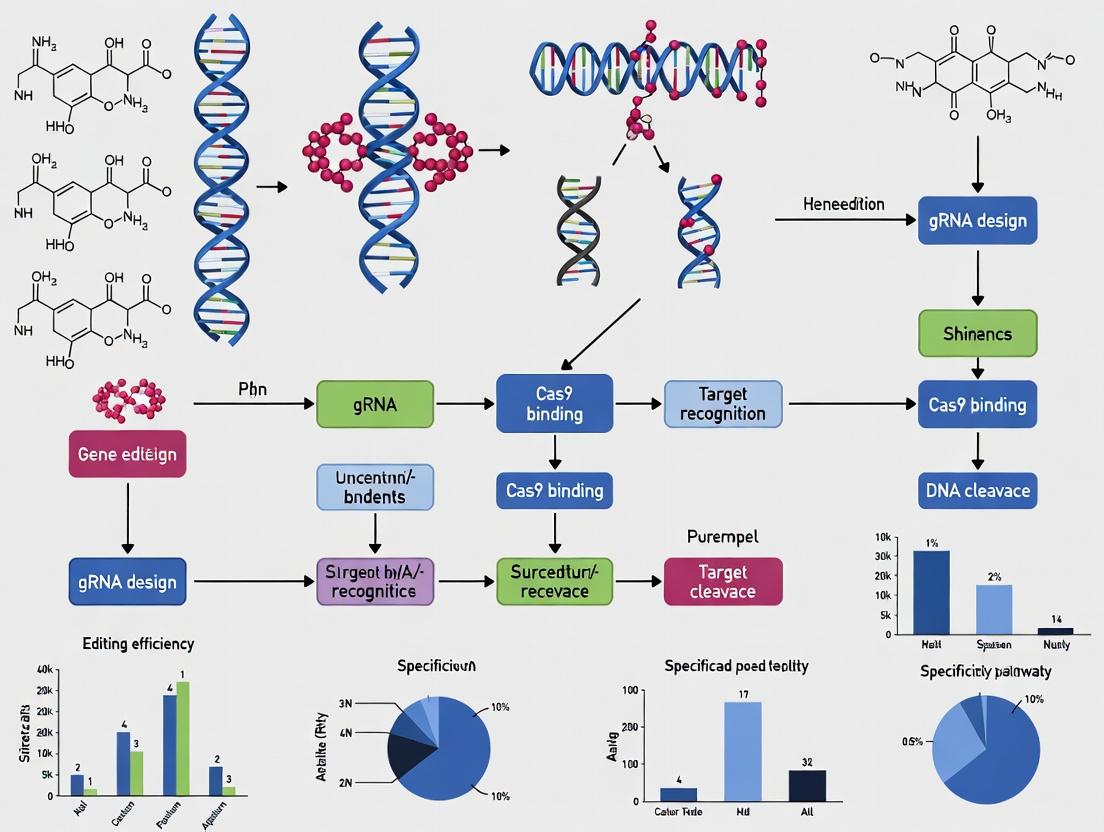
This article provides a comprehensive overview of CRISPR-Cas-based genome editing for engineering plant metabolic pathways, tailored for researchers, scientists, and drug development professionals.
CRISPR-Cas Genome Editing: Revolutionizing Plant Metabolic Engineering for Pharmaceutical Production
Abstract
This article provides a comprehensive overview of CRISPR-Cas-based genome editing for engineering plant metabolic pathways, tailored for researchers, scientists, and drug development professionals. We explore the foundational principles of CRISPR-Cas systems in plant biology, detailing key components and vector design strategies. Methodologically, we cover the latest delivery techniques, multiplexed editing, and specific applications for producing high-value pharmaceuticals. The guide addresses critical troubleshooting, including off-target effects and editing efficiency optimization. Finally, we examine validation frameworks, comparative analyses with traditional methods, and the translation of engineered plants into scalable, compliant production systems for clinical applications.
CRISPR-Cas in Plants 101: Core Principles and Pathway Targets for Metabolic Engineering
Application Notes: Evolution and Quantitative Impact in Plant Engineering
CRISPR-Cas systems have transitioned from a prokaryotic adaptive immune mechanism to a foundational technology for precise plant genome engineering. The following tables summarize key quantitative data on system efficacy and applications in plant metabolic pathway engineering.
Table 1: Comparison of Major CRISPR-Cas Systems Used in Plants
| System | Cas Protein | PAM Sequence | Typical Editing Efficiency in Plants* | Primary Editing Outcome | Key Advantage for Metabolic Engineering |
|---|---|---|---|---|---|
| Cas9 (Streptococcus pyogenes) | SpCas9 | 5'-NGG-3' | 10-90% (varies by species & tissue) | DSB, leading to NHEJ or HDR | High efficiency, well-established protocols. |
| Cas12a (Cpf1) | LbCas12a, AsCas12a | 5'-TTTV-3' | 5-70% | DSB with sticky ends | Requires shorter gRNA, good for multiplexing. |
| Base Editors (BE) | nCas9 fused to deaminase | NGG (for SpCas9) | 20-50% (point mutation rate) | C•G to T•A or A•T to G•C | Precise point mutations without DSB. |
| Prime Editors (PE) | nCas9 fused to reverse transcriptase | NGG (for SpCas9) | 1-30% (in plants) | All 12 possible base-to-base conversions, small insertions/deletions. | Template-free, precise edits with low indels. |
*Efficiencies are highly dependent on delivery method, target locus, and plant species. Data aggregated from recent literature (2023-2024).
Table 2: Application in Plant Metabolic Pathway Engineering (2020-2024 Case Studies)
| Target Pathway | Plant Species | CRISPR Tool | Primary Goal (Metabolic Engineering) | Reported Outcome (Quantitative Change) |
|---|---|---|---|---|
| Carotenoid Biosynthesis | Tomato | Cas9 multiplex | Enhance β-carotene (provitamin A) | Up to 10-fold increase in fruit β-carotene. |
| Alkaloid Biosynthesis | Opium Poppy | Cas9 | Redirect pathway to non-narcotic compounds | Near-complete elimination of thebaine and morphine. |
| Fatty Acid Composition | Camelina, Soybean | Base Editor | Improve oil quality (high oleic acid) | Oleic acid content increased from 20% to >80%. |
| Flavonoid/Antioxidant | Strawberry, Apple | Cas12a multiplex | Increase anthocyanin content | Anthocyanin levels increased 2- to 5-fold. |
| Terpene Biosynthesis | Moss (Physcomitrella) | Cas9 | Produce novel pharmaceutical terpenes | Yield of target sesquiterpene increased by 65x. |
Protocols for Plant Genome Editing viaAgrobacterium-Mediated Transformation
Protocol 2.1: Vector Assembly for Multiplexed Gene Knockout in a Metabolic Pathway
- Objective: Construct a plant binary vector expressing a Cas9 nuclease and multiple guide RNAs (gRNAs) targeting key genes in a biosynthetic pathway.
- Materials: Golden Gate or Gibson Assembly reagents, entry vectors with gRNA scaffolds, plant codon-optimized Cas9 expression cassette, plant binary vector (e.g., pCambia, pGreen), E. coli DH5α, selection antibiotics.
- Procedure:
- gRNA Design & Cloning: Design 3-4 gRNAs targeting exonic regions of pathway genes using tools like CHOPCHOP or CRISPR-P 2.0. Clone annealed oligos into appropriate U6/U3 polymerase III promoter-driven gRNA entry vectors via BsaI Golden Gate reaction.
- Multiplex Assembly: Perform a second Golden Gate assembly (using BsaI or AarI) to combine all gRNA expression cassettes into a single polycistronic tRNA-gRNA array if desired, or sequentially clone into the binary vector.
- Binary Vector Construction: Assemble the Cas9 expression cassette (driven by a plant promoter like AtUbi10 or CaMV 35S) and the multiplexed gRNA array into the T-DNA region of the binary vector using a one-pot Gibson Assembly.
- Transformation & Verification: Transform the assembled plasmid into E. coli for propagation. Isolate plasmid DNA and verify the complete insert by colony PCR and Sanger sequencing using primers flanking the assembly sites.
Protocol 2.2: Agrobacterium tumefaciens-Mediated Transformation of Tobacco (Nicotiana tabacum) Leaves
- Objective: Deliver CRISPR-Cas9 constructs into plant cells for genome editing.
- Materials: Agrobacterium strain LBA4404 or GV3101, YEP media, antibiotics, sterilized tobacco leaves, MS plates, co-cultivation media (MS with acetosyringone), selection media (MS with antibiotics and/or herbicide), plant growth chambers.
- Procedure:
- Agrobacterium Preparation: Transform the verified binary vector into competent A. tumefaciens. Select positive colonies on YEP plates with appropriate antibiotics. Inoculate a single colony in liquid YEP media and grow to OD600 ~0.8-1.0.
- Bacterial Induction & Leaf Preparation: Centrifuge the culture and resuspend in liquid MS medium supplemented with 200 µM acetosyringone. Incubate for 1-2 hours at room temperature. Meanwhile, surface-sterilize tobacco leaves and cut into 1x1 cm explants.
- Co-cultivation: Immerse leaf explants in the Agrobacterium suspension for 10-15 minutes. Blot dry on sterile paper and place on co-cultivation medium plates. Incubate in the dark at 25°C for 2-3 days.
- Selection & Regeneration: Transfer explants to selection/regeneration media containing antibiotics to kill Agrobacterium and a selective agent (e.g., kanamycin) to select transformed plant cells. Transfer to fresh media every 2 weeks.
- Shoot & Root Development: Once shoots develop (4-8 weeks), excise and transfer to rooting medium. After roots establish, transfer plantlets to soil.
- Genotyping: Extract genomic DNA from regenerated plantlets (T0). PCR-amplify target regions and analyze edits by Sanger sequencing (tracking of indels, TIDE analysis) or next-generation sequencing.
Diagrams
CRISPR Tool Evolution Timeline
CRISPR-Cas9: From Bacterial Defense to Plant Editing
Plant Metabolic Pathway Engineering Workflow
The Scientist's Toolkit: Key Research Reagent Solutions
Table 3: Essential Reagents for CRISPR-Based Plant Metabolic Engineering
| Reagent/Material | Supplier Examples* | Function in Experimental Workflow |
|---|---|---|
| High-Fidelity DNA Assembly Mix (e.g., Golden Gate, Gibson) | NEB, Thermo Fisher | Cloning multiple gRNA cassettes and Cas9 into binary vectors with high efficiency and fidelity. |
| Plant Codon-Optimized Cas9 Expression Vector | Addgene, TaKaRa, in-house | Provides the nuclease backbone for plant transformation; often includes plant-specific promoters (Ubi, 35S) and terminators. |
| Modular gRNA Cloning Kit (e.g., pYL series, pHEE401E) | Academic Depositories, Addgene | Enables rapid, modular assembly of multiple gRNAs using standardized, pre-validated vectors. |
| Agrobacterium tumefaciens Strains (GV3101, LBA4404) | Various Biotech Suppliers | The standard workhorse for delivering T-DNA containing CRISPR constructs into plant genomes. |
| Plant Tissue Culture Media (MS Basal Salts, Phytagar, Hormones) | PhytoTech Labs, Duchefa | For regeneration and selection of transformed plant tissues; composition is species-specific. |
| Selection Agents (Antibiotics, Herbicides) | Sigma-Aldrich, GoldBio | Selective pressure for transformed cells (e.g., kanamycin, hygromycin B, glufosinate). |
| Genotyping Kit (Plant DNA Extraction, PCR Master Mix) | Qiagen, Thermo Fisher, KAPA Biosystems | For extracting plant genomic DNA and amplifying target loci to screen for edits. |
| Sanger Sequencing & Edit Analysis Service/Software (Eurofins, TIDE, ICE) | Commercial Labs, Synthego | Confirms DNA sequences and quantifies insertion/deletion (indel) efficiencies in edited populations. |
| Metabolite Analysis Platform (HPLC, LC-MS/MS) | Agilent, Waters, Sciex | Critical for phenotyping: quantifying changes in target metabolite levels in engineered plants. |
*Examples are illustrative; multiple suppliers exist for most categories.
Within the context of a broader thesis on CRISPR/Cas-based genome editing for plant metabolic pathway engineering, the precise manipulation of plant genomes requires a deep understanding of three fundamental components. These components—the Cas enzyme, the guide RNA (gRNA), and the delivery vector—form the core toolkit for targeted gene knockout, knock-in, or transcriptional regulation. This document provides detailed application notes and protocols for researchers and drug development professionals aiming to engineer plant secondary metabolite pathways for pharmaceutical compound production.
Cas Enzymes: Selection and Application
The choice of Cas enzyme dictates the type of genomic alteration possible. The following table summarizes key Cas enzymes used in plant editing.
Table 1: Commonly Used Cas Enzymes for Plant Genome Editing
| Cas Enzyme | PAM Sequence | Cleavage Type | Typical Application in Metabolic Engineering | Size (aa) | Editing Efficiency Range in Plants |
|---|---|---|---|---|---|
| SpCas9 | 5'-NGG-3' | Blunt DSB | Gene knockout in pathway enzymes; multiplexing | ~1368 | 5% - 95% (transient) |
| Cas9-NG | 5'-NG-3' | Blunt DSB | Targeting in AT-rich genomic regions | ~1368 | 10% - 60% |
| LbCas12a | 5'-TTTV-3' | Staggered DSB | Gene disruptions, especially in dicots | ~1228 | 1% - 40% |
| enAsCas12a | 5'-TTTV-3' | Staggered DSB | Enhanced activity for recalcitrant targets | ~1228 | 15% - 70% |
| dCas9 | N/A | No cleavage | Transcriptional repression (CRISPRi) of competitive pathways | ~1368 | N/A (measured by repression %) |
| Base Editors (BE4) | Varies | Single-base change | Precise conversion (C•G to T•A) to alter enzyme active sites | ~1600 | 0.1% - 50% (product sequencing) |
Protocol 1.1: Testing Cas Enzyme Efficacy in a Model Plant System
Objective: To compare the editing efficiency of SpCas9 vs. LbCas12a on a target locus in Nicotiana benthamiana leaves via transient Agrobacterium-mediated transformation (agroinfiltration).
- Clone gRNAs: Design and clone two identical target sequences into the appropriate BbsI (for SpCas9) or BsmBI (for LbCas12a) sites of a plant expression vector containing the respective Cas gene and a fluorescent marker.
- Transform Agrobacterium: Electroporate each construct into Agrobacterium tumefaciens strain GV3101.
- Infiltrate Plants: Grow N. benthamiana plants for 4 weeks. Resusect Agrobacterial cultures (OD600=0.5) in infiltration buffer (10 mM MES, 10 mM MgCl2, 150 µM acetosyringone). Co-infiltrate leaves using a needleless syringe.
- Harvest Tissue: Collect leaf discs (3-5 biological replicates) at 3- and 5-days post-infiltration (dpi).
- Assay Editing: Extract genomic DNA. PCR-amplify the target region (~500bp) and subject products to:
- T7 Endonuclease I (T7EI) Assay: Hybridize, digest with T7EI, and analyze fragments on agarose gel. Calculate indel frequency using band intensity.
- Sanger Sequencing & Decomposition: Sequence PCR products and analyze trace files with online tools (e.g., TIDE) to quantify indels.
gRNA Design: Principles and Tools for High-Efficiency Targeting
Successful editing relies on gRNA efficacy, which is influenced by sequence-specific factors.
Table 2: Key Parameters for Optimal gRNA Design in Plants
| Parameter | Optimal Value/Range | Rationale |
|---|---|---|
| GC Content | 40% - 60% | Affects stability and RNA Pol III transcription efficiency. |
| On-Target Score (e.g., from CHOPCHOP) | > 60 | Predicts high activity. |
| Off-Target Potential | ≤ 3 mismatches in seed region (bases 1-12) | Minimizes unintended genomic modifications. Prioritize unique genomic sites. |
| Poly-T Stretches | Avoid > 4 consecutive T's | Acts as a Pol III termination signal. |
| Secondary Structure (gRNA scaffold) | Minimal free energy of folding | Prevents gRNA from binding Cas protein inefficiently. |
| 5' Base (for U6 promoter) | 'G' or 'A' for Arabidopsis U6 | Required for efficient transcription initiation by Pol III. |
Protocol 2.1: A Workflow for Designing and Validating gRNAs for Multiplexed Pathway Engineering
- Target Identification: Identify key genes in the target metabolic pathway (e.g., rate-limiting enzymes, competitive branch points).
- In Silico Design: Use plant-specific tools (e.g., CHOPCHOP, CRISPR-P 2.0, or sgRNAscorer for plants). Input gene IDs to retrieve all possible gRNAs (20-nt protospacers + PAM).
- Filter and Rank: Filter gRNAs using Table 2 criteria. Select 3-4 gRNAs per gene.
- Check Specificity: Perform a genome-wide BLAST against the host plant’s reference genome to assess off-targets.
- Golden Gate Assembly for Multiplexing: For expressing >2 gRNAs, clone selected gRNA oligonucleotides into a single transcriptional unit (e.g., using a tRNA-gRNA array system) via Golden Gate Assembly.
- Anneal oligos and phosphorylate.
- Perform a BsaI-mediated Golden Gate reaction with the recipient vector (e.g., pYLCRISPR/Cas9).
- Transform E. coli, screen colonies by colony PCR, and validate by sequencing.
gRNA Design and Multiplexing Workflow (100 chars)
Delivery Vectors: Strategies for Introducing Editing Components
Delivery method impacts editing outcome, from transient to stable inheritance.
Table 3: Comparison of Primary Delivery Vectors for Plant CRISPR/Cas Editing
| Vector System | Typical Size Limit | Key Advantage | Key Disadvantage | Best For |
|---|---|---|---|---|
| Agrobacterium T-DNA | ~50 kb | Stable integration, low copy number, applicable to many species. | Random insertion, possible positional effects, lengthy regeneration. | Stable transformation of most dicots and some monocots. |
| Gene Gun (Biolistics) | Unlimited (in theory) | Species-agnostic, no vector backbone integration. | High cost, complex tissue damage, multi-copy insertion. | Stable transformation of recalcitrant species (e.g., cereals). |
| Viral Vectors (e.g., TRV, Bean Yellow Dwarf Virus) | ~5-10 kb | Systemic movement, high copy number, no DNA integration. | Limited cargo capacity, potential viral symptoms, often transient. | Rapid, high-level transient expression (e.g., N. benthamiana), VIGS. |
| Pre-assembled Ribonucleoproteins (RNPs) | N/A | DNA-free, rapid degradation, minimal off-targets & no vector integration. | Delivery challenge (often requires protoplasts or biolistics), lower efficiency in some systems. | DNA-free editing, protoplast transformation. |
Protocol 3.1:Agrobacterium-Mediated Stable Transformation of Arabidopsis for Pathway Gene Knockout
Objective: Generate stable, heritable mutant lines of Arabidopsis thaliana using the floral dip method.
- Vector Preparation: Use a binary T-DNA vector containing a plant codon-optimized Cas9, a selectable marker (e.g., hygromycin resistance), and the gRNA expression cassette(s).
- Agrobacterium Culture: Transform the vector into A. tumefaciens strain GV3101. Grow a 50 mL culture in LB with appropriate antibiotics to late log phase (OD600 ~1.5).
- Dip Solution Preparation: Pellet bacteria and resuspend in 5% sucrose solution containing 0.02% Silwet L-77.
- Floral Dip: Invert primary bolts of 4-6 week-old Arabidopsis plants (when first siliques appear) into the bacterial suspension for 30 seconds. Ensure all floral tissues are submerged.
- Post-Dip Care: Cover plants with a transparent dome for 24h to maintain humidity. Grow normally until seeds mature.
- Selection: Surface-sterilize T1 seeds and plate on half-strength MS agar containing the appropriate antibiotic (e.g., 25 µg/mL hygromycin). Resistant green seedlings after 10-14 days are potential transgenic events.
- Genotyping: Extract DNA from T1 plant leaf tissue. Perform PCR/RE assay or sequencing to confirm editing at the target locus.
Arabidopsis Stable Transformation via Floral Dip (96 chars)
The Scientist's Toolkit: Research Reagent Solutions
Table 4: Essential Reagents and Kits for Plant CRISPR/Cas Experiments
| Reagent/Kits | Supplier Examples | Function in Experiment |
|---|---|---|
| Plant-Specific CRISPR/Cas9 Vector Kit (e.g., pHEE401E, pYL series) | Addgene, Academia | Modular vectors for easy Golden Gate assembly of gRNAs, containing plant promoters and terminators. |
| Agrobacterium tumefaciens Strain GV3101 | Various culture collections | Standard disarmed strain for plant transformation, compatible with many binary vectors. |
| T7 Endonuclease I | NEB, Thermo Fisher | Detects mismatches in heteroduplex DNA, used for initial screening of indel mutations. |
| Guide-it sgRNA In Vitro Transcription Kit | Takara Bio | For synthesizing sgRNA for RNP complex assembly in protoplast experiments. |
| Plant DNA Isolation Kit (e.g., CTAB method reagents) | Sigma, Homebrew | Isolates high-quality, PCR-ready genomic DNA from fibrous plant tissue. |
| Sanger Sequencing & TIDE Analysis Service | Genewiz, Eurofins | Confirms edits and quantifies editing efficiency from Sanger chromatogram data. |
| Protoplast Isolation & Transfection Reagents (e.g., Cellulase, Macerozyme) | Yakult, Sigma | Enzymes for digesting plant cell walls to generate protoplasts for RNP or DNA delivery. |
Application Notes
Plant metabolic pathways are a prolific source of complex, bioactive molecules with significant pharmaceutical potential. Within the context of CRISPR/Cas-based genome editing, precise mapping and subsequent engineering of these pathways are foundational for scalable, sustainable synthesis of high-value compounds. This document outlines current key target pathways, quantitative data on their pharmaceutical yields, and associated experimental protocols for pathway discovery and engineering.
Key Target Pathways & Metabolites
The following pathways are prioritized for their direct relevance to synthesizing or precursors for pharmaceutical agents. Engineering efforts focus on enhancing flux, reducing competitive pathway diversion, and expressing heterologous enzymes in plant chassis.
Table 1: High-Value Plant Metabolic Pathways for Pharmaceutical Synthesis
| Pathway (Plant Species Model) | Key Target Metabolite(s) | Pharmaceutical Application | Reported Yield (Wild Type) | Engineered Yield (CRISPR/Cas) | Primary Target Gene(s) for Editing |
|---|---|---|---|---|---|
| Terpenoid Indole Alkaloid (Catharanthus roseus) | Vindoline, Catharanthine | Anticancer (vinblastine) | 0.0002-0.001% dry weight | 0.005% dry weight | T16H, DAT, ORCA3 transcription factor |
| Benzylisoquinoline Alkaloid (Papaver somniferum) | (S)-Reticuline | Precursor to diverse opioids & others | 0.01% dry weight | 0.05% dry weight | COR, 4'OMT, 6OMT |
| Artemisinin (Artemisia annua) | Artemisinic acid, Dihydroartemisinic acid | Antimalarial | 0.01-0.8% dry weight | Up to 2.4% dry weight | ADS, CYP71AV1, DBR2 |
| Taxoid (Taxol) (Taxus spp.) | Taxadiene, Baccatin III | Anticancer (paclitaxel) | 0.001-0.05% dry weight | 0.1% dry weight (in heterologous host) | TS, T5αH, DBTNBT |
| Cannabinoid (Cannabis sativa) | Tetrahydrocannabinolic acid (THCA), Cannabidiolic acid (CBDA) | Analgesic, Anticonvulsant | Variable (strain-dependent) | 2.5x increase in CBDA | THCAS, CBDAS, OLAE |
Table 2: Common CRISPR/Cas Delivery & Screening Metrics in Plant Metabolic Engineering
| Parameter | Typical Range/Value | Notes |
|---|---|---|
| Transformation Efficiency (Stable) | 5-70% (species-dependent) | For Nicotiana benthamiana (transient): >90% leaf area expression. |
| Multiplex Editing Capacity (sgRNAs) | 2-12 genes | Using polycistronic tRNA-gRNA or CRISPR-Cas12a systems. |
| HDR vs. NHEJ Ratio in Plants | 1:100 to 1:1000 | HDR efficiency remains a major bottleneck for precise knock-ins. |
| Metabolite Screening Throughput (LC-MS) | 100-1000 samples/day | Depends on chromatography method and MS type. |
Experimental Protocols
Protocol 1: CRISPR/Cas9-Mediated Multiplex Gene Knockout inNicotiana benthamianafor Pathway Elucidation
Objective: To simultaneously disrupt multiple candidate genes in a putative metabolic pathway and screen for metabolite accumulation changes. Materials: See "Research Reagent Solutions" below. Procedure:
- sgRNA Design & Vector Assembly: Design 20-nt sgRNA sequences for each target gene locus using CHOPCHOP or CRISPR-P 2.0. Clone up to 8 sgRNA expression cassettes (using tRNA-Gly processing system) into a binary vector containing a Streptococcus pyogenes Cas9 driven by the Arabidopsis UBIQUITIN10 promoter.
- Agrobacterium tumefaciens Transformation: Introduce the assembled binary vector into A. tumefaciens strain GV3101 via electroporation.
- Transient Plant Transformation: a. Grow N. benthamiana plants for 4-5 weeks under 16-hr light/8-hr dark. b. Inoculate a 50 mL Agrobacterium culture (YEP + antibiotics) and pellet at OD600 = 1.0. c. Resuspend pellet in infiltration buffer (10 mM MES, 10 mM MgCl2, 150 µM acetosyringone, pH 5.6) to OD600 = 0.5. Combine strains if using multiple vectors. d. Using a needleless syringe, infiltrate the suspension into the abaxial side of 2-3 fully expanded leaves.
- Sample Harvest & Genotyping: Harvest leaf discs (100 mg) from infiltrated zones at 5-7 days post-infiltration (dpi). a. Extract genomic DNA. Perform PCR amplification of each target locus (amplicon size: 400-600 bp). b. Purify PCR products and subject to T7 Endonuclease I (T7EI) assay. Run digested products on a 2% agarose gel. Indel frequency can be estimated from gel band intensities. c. For precise indel characterization, clone undigested PCR amplicons and Sanger sequence 20-50 clones.
- Metabolite Profiling: a. At 7 dpi, harvest separate 200 mg leaf tissue from the same infiltration zone, flash-freeze in liquid N2. b. Homogenize tissue. Extract metabolites with 1 mL 80% methanol containing internal standards (e.g., deuterated analogs of target compounds). c. Centrifuge, filter supernatant (0.22 µm), and analyze via UHPLC-HRMS (e.g., C18 column, gradient elution with water/acetonitrile + 0.1% formic acid). d. Quantify target metabolites against standard curves. Compare levels to leaves expressing a non-targeting sgRNA control.
Protocol 2: LC-MS/MS-Based Targeted Metabolomics for Pathway Flux Analysis
Objective: To quantify intermediates and endpoints of an engineered pathway to identify flux bottlenecks. Procedure:
- Sample Preparation: As in Protocol 1, step 5b.
- Instrument Setup: a. LC: Use a reverse-phase C18 column (2.1 x 100 mm, 1.7 µm). Mobile Phase A: Water + 0.1% formic acid; B: Acetonitrile + 0.1% formic acid. Gradient: 5% B to 95% B over 15 min, hold 2 min. b. MS/MS: Operate in multiple reaction monitoring (MRM) mode on a triple quadrupole MS. For each compound, optimize precursor ion, product ion, collision energy, and cone voltage using pure standards.
- Data Acquisition & Analysis: a. Inject 5 µL of sample. Run samples in randomized order with quality control (QC) pooled samples every 5-10 injections. b. Integrate peak areas for each compound's specific MRM transition. c. Perform absolute quantification using a calibration curve (serial dilutions of authentic standards) or relative quantification normalized to internal standard and tissue fresh weight. d. Generate a heatmap or pathway map to visualize metabolite level changes across different genetic edits.
Diagrams
Diagram 1: CRISPR Workflow for Plant Pathway Engineering
Diagram 2: Key Alkaloid Biosynthesis Pathways
Research Reagent Solutions
Table 3: Essential Toolkit for CRISPR-Based Plant Metabolic Pathway Engineering
| Reagent/Material | Supplier Examples | Function in Experiment |
|---|---|---|
| Agrobacterium tumefaciens GV3101 | Various (Civic Bioscience, Lab Stock) | Standard strain for transient/stable plant transformation. |
| pGreenII or pCAMBIA Binary Vectors | Addgene, Molecular Biology Labs | Modular T-DNA vectors for assembling CRISPR constructs and plant selection markers. |
| Q5 High-Fidelity DNA Polymerase | New England Biolabs (NEB) | Error-free amplification of gene fragments and vector backbones for cloning. |
| T7 Endonuclease I (T7EI) | NEB, Thermo Fisher | Detects CRISPR-induced indels by cleaving DNA heteroduplexes. |
| Acetosyringone | Sigma-Aldrich | Phenolic compound that induces Agrobacterium vir genes for enhanced T-DNA transfer. |
| Authentic Metabolite Standards (e.g., Vindoline, (S)-Reticuline) | Phytolab, Sigma-Aldrich, ChromaDex | Critical for generating calibration curves for absolute quantification in LC-MS. |
| Deuterated Internal Standards (e.g., D3-Vindoline) | Cambridge Isotope Laboratories, CDN Isotopes | Normalizes for extraction and ionization efficiency variability in MS. |
| UHPLC-HRMS System (e.g., Q-Exactive Plus) | Thermo Fisher Scientific | High-resolution, accurate mass profiling and quantification of pathway metabolites. |
| CRISPR-Cas12a (Cpf1) System Vectors | Addgene | Alternative nuclease for multiplex editing with different PAM requirements, often used in combination with Cas9. |
Application Notes
Plant metabolic engineering, particularly using CRISPR/Cas systems, offers a transformative platform for the sustainable and scalable production of high-value drug precursors. This approach leverages plants' inherent capacity to perform complex post-translational modifications and their low-cost cultivation requirements. Recent advances have enabled the precise rewiring of metabolic pathways to enhance the yield of target compounds, such as alkaloids, terpenoids, and phenylpropanoids, which serve as precursors for anticancer, antimalarial, and analgesic drugs. The following notes detail key applications and supporting data.
Table 1: Quantitative Comparison of Plant Factory vs. Traditional Production Systems for Selected Drug Precursors
| Drug Precursor (Compound Class) | Engineered Plant Host | Traditional Source / Method | Reported Yield in Plants (mg/g DW) | Estimated Production Cost Reduction | Scale Demonstrated (Lab/Pilot) |
|---|---|---|---|---|---|
| Strictosidine (Alkaloid) | Catharanthus roseus (Hairy roots) | Plant extraction / Chemical synthesis | 5.2 | ~40% | 10 L Bioreactor |
| Artemisinic Acid (Terpenoid) | Nicotiana benthamiana (Transient) | Plant extraction (Artemisia annua) | 1.1 | ~60% | Greenhouse |
| Baccatin III (Diterpenoid) | Solanum lycopersicum | Yew tree extraction / Semi-synthesis | 0.03 | ~30% (Projected) | Growth Chamber |
| (-)-Scopolamine (Tropane Alkaloid) | Atropa belladonna (CRISPR-edited) | Plant extraction / Fermentation | 0.8 (4.8x increase) | ~50% (Projected) | Growth Room |
| Resveratrol (Stilbenoid) | Oryza sativa (Suspension cells) | Chemical synthesis / Plant extraction | 0.5 | ~35% | 5 L Bioreactor |
Table 2: Key CRISPR/Cas Tools for Plant Metabolic Pathway Engineering
| Tool Component / Reagent | Function in Metabolic Engineering | Example Target Pathway | Key Supplier/Resource |
|---|---|---|---|
| Cas9 Nuclease (SpCas9) | Knockout of competing or repressor genes. | MIA pathway (e.g., T16H2 knockout in C. roseus). | Addgene (Plant codon-optimized vectors). |
| CRISPRa (dCas9-VP64/p65) | Transcriptional activation of silent biosynthetic gene clusters. | Benzylisoquinoline Alkaloid (BIA) pathway in opium poppy. | ABRC (Arabidopsis dCas9 activator lines). |
| CRISPRi (dCas9-SRDX) | Transcriptional repression of negative regulators. | Terpenoid Indole Alkaloid (TIA) repressors. | Custom synthesis by specialty agrobiotech firms. |
| Base Editor (Cytosine) | Precise C-to-T conversion to create knockouts or alter enzyme specificity. | Cytochrome P450 genes in taxane pathway. | Provided in academic collaborations (e.g., Yang lab vectors). |
| Multiplex gRNA Construct | Simultaneous editing/regulation of multiple pathway genes. | Complete module for artemisinic acid synthesis in N. benthamiana. | Golden Gate or MoClo-compatible plant toolkits (e.g., Phytobricks). |
| HDR Donor Template | Precise insertion of entire gene cassettes or promoter swaps. | Strong vascular-specific promoter insertion upstream of target gene. | Synthesized as double-stranded DNA fragments. |
Protocols
Protocol 1: CRISPR/Cas9-Mediated Multiplex Gene Knockout inNicotiana benthamianafor Terpenoid Pathway Enhancement
Objective: To simultaneously knockout three endogenous Nb genes competing for the precursor pool (GGPP) to redirect flux toward artemisinic acid production. Materials:
- N. benthamiana seeds (wild-type).
- Agrobacterium tumefaciens strain GV3101.
- Multiplex gRNA expression vector (e.g., pYLCRISPR/Cas9Pubi-H with 3 target gRNAs).
- LB medium with appropriate antibiotics (Rifampicin, Kanamycin, Spectinomycin).
- Infiltration buffer (10 mM MES, 10 mM MgCl2, 150 µM Acetosyringone, pH 5.6).
- Tissue culture supplies.
Procedure:
- Vector Construction: Clone three 20-bp target sequences (specific to NbCPT1, NbLUP1, NbCAS1) into the multiplex gRNA vector via Golden Gate assembly. Transform into A. tumefaciens.
- Plant Growth: Sow seeds and grow plants under 16-h light/8-h dark cycles at 25°C for 4-5 weeks until leaves are suitable for infiltration.
- Agrobacterium Preparation: Inoculate a single colony into 5 mL LB with antibiotics. Grow overnight at 28°C, 220 rpm. Centrifuge and resuspend pellet in infiltration buffer to OD600 = 0.5 for each bacterial culture. Mix equal volumes if using multiple strains.
- Leaf Infiltration: Using a 1-mL needleless syringe, infiltrate the bacterial suspension into the abaxial side of fully expanded leaves. Mark infiltration zones.
- Plant Maintenance: Return plants to growth chambers for 48-72 h.
- Analysis: Harvest infiltrated leaf tissue. (A) Extract genomic DNA for PCR/RE assay to confirm edits. (B) Flash-freeze tissue for LC-MS/MS analysis of terpenoid profiles (see Protocol 3).
Protocol 2: Stable Transformation and Screening ofCatharanthus roseusHairy Roots for Strictosidine Production
Objective: Generate stable hairy root lines expressing a heterologous strictosidine synthase (STR) gene under a strong root-specific promoter. Materials:
- C. roseus sterile seedlings.
- Agrobacterium rhizogenes strain ATCC15834.
- Binary vector pBI121 containing STR gene and eGFP reporter.
- Co-cultivation medium (MS basal salts, 3% sucrose, pH 5.8).
- Hairy root induction/selection medium (MS salts, 3% sucrose, 400 mg/L cefotaxime, 25 mg/L kanamycin, 0.1 mg/L IBA, solidified with 0.8% agar).
- Liquid MS medium for suspension culture.
Procedure:
- Prepare Explants: Cut 1-2 cm segments from the hypocotyls of 2-week-old sterile seedlings.
- Bacterial Infection: Dip explant ends into a log-phase A. rhizogenes culture (OD600 ~0.8) for 10 min. Blot dry on sterile paper.
- Co-cultivation: Place explants on co-cultivation medium. Incubate in the dark at 25°C for 2 days.
- Selection and Induction: Transfer explants to selection medium. Maintain at 25°C in the dark, subculturing every 2 weeks to fresh medium.
- Line Establishment: After 4-6 weeks, excise emerging, kanamycin-resistant, GFP-positive hairy roots. Transfer to fresh selection plates for propagation.
- Liquid Culture: Inoculate ~100 mg of root tissue into 50 mL liquid MS medium in a 250 mL flask. Culture at 25°C in the dark on an orbital shaker (110 rpm).
- Product Analysis: Harvest roots after 3 weeks. Extract metabolites and quantify strictosidine via HPLC (compare to authentic standard).
Protocol 3: LC-MS/MS Quantification of Target Metabolites from Engineered Plant Tissue
Objective: Accurately measure the concentration of artemisinic acid and related precursors in N. benthamiana leaf extracts. Materials:
- Freeze-dried, powdered plant tissue.
- Extraction solvent: 80% methanol/water (v/v) with 0.1% formic acid.
- Internal standard: deuterated artemisinin (or similar).
- LC-MS/MS system (e.g., UPLC coupled to triple quadrupole MS).
- Analytical column: C18 reverse-phase (e.g., 2.1 x 100 mm, 1.7 µm).
- Mobile phases: (A) Water + 0.1% formic acid; (B) Acetonitrile + 0.1% formic acid.
Procedure:
- Extraction: Weigh 50 mg of dried tissue into a 2 mL tube. Add 1 mL extraction solvent and 10 µL of internal standard solution. Vortex vigorously for 1 min, sonicate for 15 min at 4°C, then centrifuge at 14,000 rpm for 10 min. Transfer supernatant to an HPLC vial.
- LC Conditions: Use a gradient elution: 0-2 min, 5% B; 2-10 min, 5-95% B; 10-12 min, 95% B; 12-12.1 min, 95-5% B; 12.1-15 min, 5% B. Flow rate: 0.3 mL/min. Column temperature: 40°C.
- MS Conditions: Operate in negative ESI mode. Set MRM transitions for artemisinic acid (precursor ion m/z 233.2 → product ions m/z 191.1, 161.1). Optimize collision energies.
- Quantification: Generate a standard curve (0.1-1000 ng/mL) using pure artemisinic acid. Use the internal standard to correct for extraction and ionization efficiency. Calculate concentration in plant tissue (µg/g DW).
Visualizations
Diagram Title: CRISPR-Mediated Flux Redirection in Terpenoid Pathway
Diagram Title: Plant Metabolic Engineering Workflow from Gene to Product
The Scientist's Toolkit: Research Reagent Solutions
| Item | Function | Key Consideration for Plant Studies |
|---|---|---|
| Plant Codon-Optimized Cas9 Vectors | High-efficiency expression of Cas9 nuclease in plant cells. | Choose species-specific promoters (e.g., Ubiquitin for monocots, 35S for dicots). |
| Golden Gate MoClo Plant Toolkits | Modular, standardized assembly of multigene constructs for pathway engineering. | Enables rapid stacking of 5+ transcriptional units in a single T-DNA. |
| Hairy Root Induction Kits | Reliable generation of transgenic hairy root cultures from explants. | Ensure A. rhizogenes strain is compatible with your plant species. |
| Metabolite Standard Kits | Quantitative analysis of target compounds via LC-MS. | Kits for alkaloids, terpenoids, and phenolics are essential for accurate quantification. |
| CRISPR-Cleaved Amplified Polymorphic Sequence (CAPS) Assay Kits | Rapid genotyping to confirm genome edits. | More accessible than sequencing for initial high-throughput screening of edited lines. |
| Plant Tissue Culture Media | For regeneration and maintenance of transgenic lines. | Hormone composition (auxin/cytokinin ratio) is species- and tissue-specific. |
| Acetosyringone | Phenolic compound that induces Agrobacterium virulence genes during transformation. | Critical for high transformation efficiency in many recalcitrant plant species. |
| Next-Generation Sequencing Service | Whole-genome or amplicon sequencing to verify on-target edits and screen for off-target effects. | Select services with experience in plant genome analysis and polyploidy. |
From Design to Drug: Practical CRISPR Workflows for Engineering Metabolic Pathways
CRISPR/Cas-based genome editing enables precise manipulation of genes within plant metabolic pathways, facilitating the engineering of high-value compounds (e.g., pharmaceuticals, nutraceuticals, pigments). This pipeline details the foundational steps—from in silico sgRNA design to stable plant transformation—required to knockout, knockin, or modulate key enzymes in a target pathway, such as the alkaloid or terpenoid biosynthetic networks.
sgRNA Design andIn SilicoAnalysis Protocol
The design of single guide RNAs (sgRNAs) is critical for on-target efficacy and minimization of off-target effects.
2.1. Protocol: sgRNA Design for Plant Metabolic Genes
- Gene Identification: Identify the target gene(s) within the metabolic pathway (e.g., a rate-limiting enzyme like DXR in the MEP pathway).
- Sequence Retrieval: Obtain the genomic DNA sequence, including 500-1000 bp upstream and downstream flanking regions, from databases (e.g., Phytozome, NCBI).
- sgRNA Spacer Identification: Use plant-optimized tools (see Table 1) to scan both coding and non-coding strands for protospacer adjacent motif (PAM) sequences (typically 5'-NGG-3' for SpCas9).
- On-Target Scoring: Rank candidate sgRNAs (20-nt spacer sequence preceding the PAM) using algorithms that predict cleavage efficiency (e.g., Doench et al. 2016 rules adapted for plants).
- Off-Target Prediction: Perform genome-wide alignment of the top sgRNA spacer sequences against the host plant genome. Discard sgRNAs with ≤3 mismatches in the seed region (PAM-proximal 8-12 bases) to unintended genomic loci.
- Multiplexing Design (Optional): For polycistronic tRNA-gRNA (PTG) systems, design tRNA-spacer repeats in silico for simultaneous targeting of multiple pathway genes.
Table 1: Quantitative Comparison of sgRNA Design Tools for Plants
| Tool Name | Key Algorithm/Score | Off-Target Analysis | Plant-Specific Features | Optimal Cutoff Score |
|---|---|---|---|---|
| CRISPR-P 2.0 | CFD (Cutting Frequency Determination) & Doench '16 | Genome-wide mismatch search | Supports >20 plant genomes; tRNA promoter design | Efficacy Score >0.5 |
| CRISPOR | Doench '16, Moreno-Mateos '15, Hsu '13 | Cas-OFFinder integration | Handes polyploidy; recommends U6/U3 promoters | Doench Score >50 |
| CHOPCHOP | Efficiency & specificity scores | BLAST against selected genome | Visualizes gene structure; SNP checking | Efficiency Score >50 |
2.2. Diagram: sgRNA Design and Selection Workflow
Vector Construction for Plant CRISPR/Cas Systems
Common vector systems include binary vectors for Agrobacterium-mediated transformation, often featuring a plant codon-optimized Cas9 and sgRNA(s) expressed under Pol II and Pol III promoters, respectively.
3.1. Protocol: Golden Gate Assembly of a Multiplex sgRNA Vector This protocol assembles up to 8 sgRNA expression cassettes into a single binary vector (e.g., pYLCRISPR/Cas9Pubi-H).
Materials:
- Donor Vectors: pYLsgRNA-X (X: position 1-8) containing pre-defined tRNA-sgRNA scaffolds.
- Intermediate Vector: pYLCRISPR/Cas9Publ-H intermediate (contains Cas9 expression cassette).
- Binary Vector: Destination binary vector (e.g., pCAMBIA1300 backbone).
- Enzymes: BsaI-HFv2, T4 DNA Ligase.
- Cloning Strain: E. coli DH5α competent cells.
Method:
- sgRNA Oligo Annealing: Design forward and reverse oligos (24-nt target sequence + 4-nt overhangs compatible with BsaI sites). Phosphorylate, anneal, and dilute.
- Golden Gate Reaction 1 (sgRNA into Donor): Assemble the annealed duplex into the linearized pYLsgRNA-X vector using BsaI and T4 Ligase. Transform into E. coli, screen colonies, and sequence-verify.
- Golden Gate Reaction 2 (Multiplexing): Mix equal molar amounts (50-100 ng each) of the verified pYLsgRNA donors (positions 1-8), the intermediate vector, and the binary vector backbone. Add BsaI-HFv2 and T4 Ligase. Cycle: 37°C (5 min) / 16°C (10 min), 25 cycles; then 50°C (5 min); 80°C (5 min).
- Transformation and Selection: Transform the final Golden Gate product into E. coli, then into Agrobacterium tumefaciens strain EHA105 or GV3101 via electroporation. Select on appropriate antibiotics (e.g., Spectinomycin for bacteria, Hygromycin for plants).
Plant Transformation and Regeneration Methods
Delivery of CRISPR constructs into plant cells is most commonly achieved via Agrobacterium-mediated transformation or biolistics.
4.1. Protocol: Agrobacterium-Mediated Transformation of Nicotiana benthamiana (Model Plant)
- Plant Material: Sterilize N. benthamiana seeds and germinate on MS0 medium. Use young, expanding leaves from 4-5 week-old plants for explants.
- Agrobacterium Preparation: Inoculate a single colony of Agrobacterium harboring the binary vector in 20 mL YEP medium with antibiotics. Grow overnight at 28°C, 220 rpm. Pellet cells and resuspend in liquid co-cultivation medium (MS + 100 µM acetosyringone) to OD600 = 0.5.
- Explant Infection & Co-cultivation: Cut leaf disks (5-8 mm diameter) and immerse in the Agrobacterium suspension for 10-15 minutes. Blot dry and place on solid co-cultivation medium. Incubate in the dark at 22-25°C for 2-3 days.
- Selection & Regeneration: Transfer explants to selection/regeneration medium (MS + cytokinin + auxin + antibiotics [Hygromycin] + bacteriostat [Timentin]). Subculture every 2 weeks. Emerging shoots are transferred to rooting medium (MS + auxin + selection agents).
- Molecular Confirmation: Extract genomic DNA from putative transgenic plantlets. Perform PCR to confirm the presence of the T-DNA. Use restriction enzyme digest or sequencing of the amplified target locus to identify edits.
Table 2: Key Parameters for Plant Transformation Methods
| Method | Target Tissue | Key Reagent/Equipment | Typical Efficiency (Edit Frequency) | Regeneration Time (Weeks) |
|---|---|---|---|---|
| Agrobacterium (Leaf Disk) | Leaf, cotyledon, callus | Acetosyringone, Timentin | 10-70% (stable) | 8-16 |
| Biolistics | Embryogenic callus, immature embryos | Gold/Carrier particles, Gene Gun | 1-10% (stable) | 12-24 |
| Protoplast Transfection | Isolated protoplasts | PEG, Electroporator | 20-80% (transient) | N/A (regeneration difficult) |
The Scientist's Toolkit: Research Reagent Solutions
Table 3: Essential Materials for CRISPR Plant Engineering
| Item | Function & Application | Example Product/Supplier |
|---|---|---|
| Plant Codon-Optimized Cas9 | CRISPR endonuclease; expressed under constitutive promoter (e.g., ZmUbi, AtU6). | pCambia-Cas9 (Addgene # 72257) |
| Pol III Promoter Vectors | Drives high-level sgRNA expression in plants (e.g., AtU6-26, OsU3). | pHEE401 (Addgene # 71287) |
| Golden Gate Modular Kit | Enables rapid, seamless assembly of multiplexed sgRNAs. | MoClo Plant Parts Kit (Addgene # 1000000044) |
| Agrobacterium Strain | Efficient T-DNA delivery to dicot (EHA105) or monocot (LBA4404) tissues. | EHA105 (TIBA, China) |
| Acetosyringone | Phenolic compound inducing Agrobacterium vir genes during co-cultivation. | Sigma-Aldrich D134406 |
| Hygromycin B | Selective agent for plants transformed with hptII (hygromycin phosphotransferase) gene. | Thermo Fisher Scientific 10687010 |
| Timentin | Antibiotic mix to eliminate Agrobacterium after co-cultivation without plant toxicity. | GoldBio T-101-100 |
| High-Fidelity Polymerase | For accurate amplification of target genomic loci for sequencing analysis. | NEB Q5 High-Fidelity DNA Polymerase |
4.2. Diagram: Plant Transformation and Screening Pipeline
Application Notes
The successful application of CRISPR/Cas for plant metabolic engineering is critically dependent on the efficient delivery of genetic cargo into plant cells. Each delivery platform offers distinct advantages and challenges in terms of efficiency, species range, cargo capacity, and regulatory implications.
- Agrobacterium tumefaciens-Mediated Transformation (ATMT): The workhorse for dicot transformation, ATMT offers precise T-DNA integration, low copy number, and is the preferred method for regulatory approval of transgenic plants due to its history of use. Recent advances in "transformation booster" genes (e.g., virE1, ipt) and modified helper plasmids have extended its utility to recalcitrant crops. For metabolic pathway engineering, its ability to deliver large DNA constructs (>50 kb) is ideal for inserting entire biosynthetic gene clusters.
- Biolistic Particle Delivery (Gene Gun): A physical method indispensable for monocots (e.g., wheat, maize), chloroplast transformation, and species resistant to Agrobacterium. It enables transient expression assays crucial for rapid sgRNA validation and multiplexed editing. However, it often results in complex, multi-copy integration events, which can complicate regulatory dossiers. Optimization focuses on particle type (gold vs. tungsten), helium pressure, and tissue pre-culture conditions.
- Novel Nanocarrier Systems: Emerging as a versatile, non-integrative platform, nanocarriers (e.g., carbon nanotubes, mesoporous silica nanoparticles, cell-penetrating peptide-DNA complexes) protect nucleic acids from degradation and facilitate cell wall and membrane passage. They are particularly promising for DNA-free delivery of pre-assembled Cas9-gRNA ribonucleoproteins (RNPs), eliminating DNA integration risks and reducing off-target effects. Surface functionalization with tissue-specific ligands enables targeted delivery.
Table 1: Quantitative Comparison of Key Delivery Techniques
| Parameter | Agrobacterium T-DNA | Biolistics (Gold, 1µm) | Nanocarrier (CPP-StarPEG) |
|---|---|---|---|
| Typical Transformation Efficiency | 1-50% (transgenic calli) | 0.1-5% (transient foci) | 2-20% (RNP delivery, protoplasts) |
| Cargo Type | Plasmid DNA, ssDNA, VirD2-fused proteins | DNA, RNP, siRNA | DNA, ssODN, RNP, siRNA |
| Max Cargo Size | >50 kb (T-DNA) | ~10-20 kb (plasmid) | ~2 kb (for covalent loading) |
| Integration Pattern | Low-copy, precise ends | Multi-copy, rearranged | Typically non-integrative (RNP) |
| Best For | Stable transformation, dicots, large inserts | Recalcitrant species, chloroplasts, transient | DNA-free editing, protoplasts, in planta trials |
| Key Limitation | Host range, biocontainment | DNA damage, complex integration | Scalability to whole plants, formulation stability |
Experimental Protocols
Protocol 2.1: High-EfficiencyAgrobacterium-Mediated Transformation of Tobacco (Nicotiana tabacum) for Multiplexed gRNA Delivery
Objective: Generate stable transgenic tobacco lines co-expressing Cas9 and 4 gRNAs targeting genes in the alkaloid pathway.
- Materials: Agrobacterium strain LBA4404 (pVIR9), binary vector pBUN411-Cas9-4gRNA, tobacco cv. Samsun NN leaf explants, YEP media, MS plates, acetosyringone, timentin, kanamycin.
- Procedure:
- Transform Agrobacterium with the binary vector via electroporation. Select on YEP + kanamycin (50 µg/mL).
- Inoculate a single colony in 10 mL liquid YEP + antibiotics. Grow overnight at 28°C, 220 rpm.
- Centrifuge culture at 5000 x g for 10 min. Resuspend pellet in MS liquid medium to OD₆₀₀ = 0.5. Add acetosingone to 200 µM. Induce for 2 h.
- Surface-sterilize tobacco leaves, cut into 1 cm² explants. Immerse in bacterial suspension for 20 min.
- Blot dry explants and co-cultivate on MS + 200 µM acetosyringone plates for 48 h in the dark.
- Transfer explants to MS + timentin (300 µg/mL) + kanamycin (100 µg/mL) for shoot selection. Subculture every 2 weeks.
- After 4-6 weeks, excise shoots and root on MS + timentin. Screen rooted plantlets by PCR and Sanger sequencing for edits.
Protocol 2.2: Biolistic Delivery of Cas9-RNP into Maize Immature Embryos
Objective: Achieve DNA-free mutagenesis in a monocot system to knockout a transcription factor regulating flavonoid production.
- Materials: PDS-1000/He system, 1.0 µm gold microparticles, rupture discs (1100 psi), stopping screens, maize immature embryos (1.2-1.5 mm), Cas9 NLS-protein (20 µM), in vitro-transcribed sgRNA, spermidine (0.1 M), CaCl₂ (2.5 M), osmoticum medium.
- Procedure:
- Sterilize 50 mg gold particles in 1 mL 70% ethanol. Vortex, incubate 15 min, wash 3x with sterile ddH₂O.
- Prepare RNP complex: Mix 10 µL Cas9 protein (20 µM) with 5 µL sgRNA (60 µM). Incubate at 25°C for 10 min.
- Add gold particles, 100 µL of 0.1 M spermidine, and 100 µL of 2.5 M CaCl₂ dropwise while vortexing. Precipitate for 10 min.
- Pellet gold, wash with 500 µL 100% ethanol, resuspend in 100 µL ethanol.
- Aliquot 10 µL onto macrocarrier, let dry. Assemble bombardment chamber according to manufacturer specs.
- Pre-culture 100 embryos on osmoticum medium for 4 h. Place embryos in target zone.
- Bombard at 1100 psi, 6 cm target distance, under 28 inHg vacuum.
- Post-bombardment, incubate embryos in the dark for 16 h, then transfer to recovery medium. Analyze edits via T7E1 assay after 72h.
Protocol 2.3: Polymeric Nanocarrier (StarPEG-peptide) Mediated RNP Delivery into Arabidopsis Protoplasts
Objective: Deliver Cas9-RNP for high-efficiency, DNA-free editing in plant protoplasts.
- Materials: Arabidopsis mesophyll protoplasts, Cas9 protein, sgRNA, StarPEG-NHS polymer, cell-penetrating peptide (CPP, e.g., BP100), PEG-Calcium solution, W5 solution, MMg solution.
- Procedure:
- Nanocarrier Formation: Conjugate amine-functionalized CPP to StarPEG-NHS (4-arm, 10 kDa) at 2:1 molar ratio in PBS pH 8.0 for 2 h. Purify via spin filtration.
- RNP Complexation: Pre-complex Cas9 and sgRNA (3:1 molar ratio) for 10 min. Incubate RNP with StarPEG-CPP (weight ratio 1:5) for 30 min at 4°C to allow electrostatic association.
- Protoplast Transfection: Isolate protoplasts from leaf tissue via enzymatic digestion (1.5% cellulase, 0.4% macerozyme). Wash 2x in W5 solution.
- Resuspend 2 x 10⁵ protoplasts in 200 µL MMg solution. Add 20 µL of the StarPEG-CPP/RNP complex.
- Add 220 µL PEG-Calcium solution, mix gently, incubate 15 min at RT.
- Dilute slowly with 2 mL W5 solution. Pellet protoplasts at 100 x g, resuspend in culture medium.
- Incubate in the dark for 48 h. Isolate genomic DNA and assess editing efficiency by targeted deep sequencing (≥5000x coverage).
Visualization
Agrobacterium T-DNA Delivery Workflow for CRISPR
Nanocarrier Assembly for RNP Delivery
The Scientist's Toolkit: Research Reagent Solutions
| Reagent / Material | Function & Application in Delivery |
|---|---|
| pBUN411 Vector System | A modular Golden Gate-compatible binary vector for high-level expression of Cas9 and up to 8 gRNAs in plants. Essential for Agrobacterium-mediated multiplexed pathway engineering. |
| NLS-tagged S. pyogenes Cas9 Protein | Purified, nuclear localization signal-tagged protein for RNP assembly. Critical for Biolistic and Nanocarrier DNA-free delivery protocols to reduce off-target integration. |
| 1.0 µm Gold Microcarriers | The standard particle for biolistic delivery in many cereals. Optimal balance between momentum and cellular damage. Surface chemistry allows coating with DNA or RNP. |
| Acetosyringone | A phenolic compound secreted by wounded plants. Critical for inducing the Agrobacterium Vir gene region, activating the T-DNA transfer machinery. |
| StarPEG-NHS Polymer | A 4-arm polyethylene glycol functionalized with N-hydroxysuccinimide esters. Serves as a core scaffold for constructing nanocarriers, enabling easy conjugation of CPPs and other ligands. |
| Cellulase R10 / Macerozyme R10 | Enzyme mixture for digesting plant cell walls to generate protoplasts, a universal cell type for testing nanocarrier and transient delivery efficiency. |
| BP100 Peptide (KKLFKKILKYL) | A synthetic, α-helical cell-penetrating peptide (CPP). Used to functionalize nanocarriers or complex directly with nucleic acids to facilitate membrane traversal in plants. |
| Timentin (Ticarcillin/Clavulanate) | Broad-spectrum antibiotic used in plant tissue culture post-Agrobacterium co-cultivation. Effectively eliminates the bacterium without phytotoxicity, unlike carbenicillin. |
Multiplexed CRISPR Editing for Coordinated Pathway Modulation and Enhanced Flux
Application Notes
Within the broader thesis on CRISPR/Cas-based genome editing for plant metabolic pathway engineering, multiplexed CRISPR editing emerges as a transformative strategy. It moves beyond single-gene knockouts to enable the coordinated, simultaneous modulation of multiple pathway nodes. This approach is critical for overcoming metabolic bottlenecks, reducing flux through competing branches, and dynamically regulating entire biosynthetic networks to enhance the yield of high-value plant-derived pharmaceuticals and nutraceuticals.
The core advantage lies in using a single Cas nuclease (e.g., Cas9, Cas12a) guided by a multiplex of gRNAs to edit several genomic loci in one transformation event. This allows for: 1) Knockout of Repressors/Competing Enzymes, 2) Fine-tuning of Key Catalysts via promoter or coding sequence editing, and 3) Introduction of Synthetic Regulatory Elements. Recent studies demonstrate its efficacy in enhancing alkaloid, terpenoid, and flavonoid production. Key challenges include optimizing gRNA expression (often via tRNA or ribozyme-based processing systems) and mitigating off-target effects in polyploid plant genomes.
Quantitative Data Summary
Table 1: Recent Examples of Multiplexed CRISPR Editing for Plant Metabolic Pathway Engineering
| Target Pathway (Plant) | Target Genes (Number) | Editing Goal | Key Outcome (Flux Change) | Citation (Year) |
|---|---|---|---|---|
| Artemisinin (Artemisia annua) | CYP71AV1, DBR2, SQS (3) | Knockout competing branches | ∼3.5-fold increase in artemisinic acid | Li et al. (2023) |
| Steroidal Glycoalkaloids (Tomato) | GAME4, GAME17, GAME18 (3) | Knockout core biosynthetic genes | >90% reduction in α-tomatine | Cárdenas et al. (2022) |
| Flavonoids (Apple) | MYBreg1, MYBreg2 (2) | Knockout transcriptional repressors | Anthocyanin increase from 0 to ~12 mg/g DW | Charrier et al. (2024) |
| Lignin (Poplar) | 4CL5, C3′H1, CSE (3) | Knockout monolignol biosynthesis | Lignin reduced by 20-35%, improved saccharification | de Meester et al. (2023) |
Detailed Experimental Protocols
Protocol 1: Design and Assembly of a Multiplex gRNA Expression Cassette for Plants
Objective: To clone a polycistronic tRNA-gRNA array (PTA) for expression of 4 gRNAs in a plant-optimized vector.
Materials:
- Plant CRISPR vector (e.g., pRGEB32 backbone with Cas9).
- gRNA scaffold oligos.
- tRNA sequences from Arabidopsis.
- Type IIS restriction enzymes (BsaI, Golden Gate assembly).
- T4 DNA Ligase.
- E. coli competent cells.
Methodology:
- Design: Select 20-nt target sequences for each gene with high on-target scores (using tools like CRISPR-P 2.0). Ensure a 5′-G for U6/U3 promoters.
- Synthesis: Order four pairs of oligonucleotides for each gRNA. Each oligo pair includes overhangs compatible with Golden Gate assembly into the tRNA-flanked modules.
- Annealing: Anneal each oligo pair to form double-stranded gRNA units.
- Golden Gate Assembly: Perform a one-pot, hierarchical Golden Gate reaction: a. Assemble individual "tRNA-gRNA" units in Level 1 reactions. b. Combine purified Level 1 units in a final Level 2 reaction with the BsaI-digested destination vector.
- Transformation: Transform the assembled product into E. coli, screen colonies by colony PCR, and validate by Sanger sequencing of the entire array.
Protocol 2: Agrobacterium-mediated Transformation and Screening in Tobacco (Nicotiana benthamiana)
Objective: To deliver the multiplex CRISPR construct into plant cells and identify edited events.
Materials:
- Agrobacterium tumefaciens strain GV3101.
- N. benthamiana seeds.
- Acetosyringone, MS media, antibiotics.
- CTAB DNA extraction buffer.
- PCR primers flanking each target site.
- T7 Endonuclease I or tracking of indels by decomposition (TIDE) analysis software.
Methodology:
- Agrobacterium Preparation: Electroporate the validated plasmid into A. tumefaciens. Select positive colonies and culture in induction media (containing acetosyringone) to ~OD600 0.6.
- Plant Infiltration: Infiltrate the bacterial suspension into the abaxial side of 4-week-old N. benthamiana leaves using a needleless syringe.
- Sample Collection: Harvest leaf discs 3-4 days post-infiltration for transient expression analysis or harvest T0 seeds from stable transformed lines.
- Genotyping: a. Extract genomic DNA from leaf tissue. b. Amplify each target locus by PCR. c. For initial screening, digest PCR products with T7E1 (detects heteroduplex mismatches) or analyze via high-resolution melting curve analysis. d. Clone PCR products and Sanger sequence ≥10 clones per locus to determine precise indel spectra and multi-plex editing efficiency.
- Metabolite Analysis: Perform LC-MS/MS on edited and control leaf tissue to quantify changes in target pathway metabolites.
Mandatory Visualizations
Title: Multiplex CRISPR Strategy for Pathway Engineering
Title: Multiplex Editing Experimental Workflow
The Scientist's Toolkit: Research Reagent Solutions
Table 2: Essential Materials for Multiplexed CRISPR Plant Experiments
| Item | Function/Description | Example/Supplier |
|---|---|---|
| Modular CRISPR Vector | Backbone for easy Golden Gate assembly of gRNA arrays and Cas9 expression. | pRGEB32, pYLCRISPR/Cas9Pubi-H (Addgene). |
| Type IIS Restriction Enzymes | Enable scarless, hierarchical assembly of multiple DNA fragments (e.g., gRNAs). | BsaI-HF v2, Esp3I (NEB). |
| Plant tRNA Scaffold Kit | Pre-cloned tRNA sequences for constructing polycistronic gRNA arrays. | PTG/Multi (tRNA-gRNA) kit. |
| Agrobacterium Strain | Optimal for plant transformation, especially dicots. | GV3101, LBA4404. |
| Genotyping Assay Kits | For detecting CRISPR-induced indels without sequencing. | T7 Endonuclease I Kit, Guide-it ResolveKit. |
| Metabolomics Standards | Internal standards for absolute quantification of pathway metabolites via LC-MS. | Artemisinin-d3, Naringenin-d4 (Sigma). |
| High-Fidelity Polymerase | For accurate amplification of genomic target loci from GC-rich plant DNA. | KAPA HiFi HotStart, Phusion. |
| Hormones for Plant Regeneration | Critical for recovering stable edited lines from callus tissue. | 2,4-Dichlorophenoxyacetic acid (2,4-D), Benzylaminopurine (BAP). |
Application Notes
This document details CRISPR/Cas-mediated engineering strategies for three major plant-derived therapeutic compound classes, framed within a thesis on metabolic pathway engineering. The goal is to reconstruct, enhance, or redirect biosynthetic pathways in plant or microbial chassis.
Table 1: Key Therapeutic Compounds and Engineered Pathways
| Compound Class | Target Molecule (Therapeutic Use) | Host System | Key Engineered Gene(s) | Yield Improvement | Reference (Year) |
|---|---|---|---|---|---|
| Terpenoid | Artemisinin (Antimalarial) | Saccharomyces cerevisiae | ADS, CYP71AV1, CPR from A. annua; HMGR upregulation | 25 g/L | Paddon et al., 2013 |
| Terpenoid | Paclitaxel (Anticancer) | Nicotiana benthamiana (transient) | DBAT, BAPT from Taxus spp.; silencing of competing pathway (GGPPS) | 1.2 μg/g DW | Li et al., 2019 |
| Alkaloid | Noscapine (Antitussive/Anticancer) | Papaver somniferum | CRISPR knockout of COR; multiplexed activation of TNMT, CYP82Y1 | 0.44% DW (from trace) | Li et al., 2020 |
| Alkaloid | Strictosidine (Precursor to monoterpene indole alkaloids) | Saccharomyces cerevisiae | Expression of ~30 plant/enzyme genes (STR, TDC, CPR); engineering of secoiridoid supply | 0.5 mg/L | Zhang et al., 2018 |
| Polyketide | Resveratrol (Cardioprotective) | Yarrowia lipolytica | Integration of 4CL, STS; acetyl-CoA pathway enhancement; CRISPRi of competing fatty acid synthase | 12.5 g/L in bioreactor | Palmer et al., 2020 |
| Polyketide | Curcumin (Anti-inflammatory) | Escherichia coli | Expression of CURS1-3, DCS from C. longa; precursor (malonyl-CoA) pool enhancement via CRISPRa of accABCD | 1.5 mg/L | Rodrigues et al., 2021 |
Experimental Protocols
Protocol 1: CRISPR/Cas9-Mediated Multiplex Gene Knockout in Plant Suspension Cells (Alkaloid Pathway) Objective: To disrupt competing branch-point genes in Catharanthus roseus to funnel flux towards vindoline. Materials: pCas9-TPC (Plant codon-optimized Cas9, tRNA-gRNA polycistronic system), C. roseus suspension cells, Agrobacterium tumefaciens EHA105. Procedure:
- Design: Select 20-nt protospacer sequences for target genes (e.g., T16H2, ORCA3 competitors) with 5'-NGG PAM. Clone four tandem gRNAs into the pCas9-TPC vector via Golden Gate assembly.
- Transformation: Transform vector into A. tumefaciens EHA105. Harvest C. roseus cells in log phase, co-cultivate with Agrobacterium (OD600=0.5) for 48h on MS medium.
- Selection & Regeneration: Transfer cells to MS medium with cefotaxime (500 mg/L) and hygromycin (25 mg/L). Subculture every 2 weeks.
- Genotyping: Extract genomic DNA from putative mutant calli. Perform PCR on target loci and subject amplicons to T7 Endonuclease I assay. Sequence confirmed biallelic mutants.
- Metabolite Analysis: Lyophilize cells. Extract alkaloids with 80% MeOH + 1% AcOH. Analyze via HPLC-MS/MS using multiple reaction monitoring (MRM) for vindoline precursors.
Protocol 2: CRISPRa-Mediated Activation of a Silent Terpenoid Gene Cluster in Fungi Objective: To activate a cryptic polyketide-terpenoid hybrid pathway in Aspergillus nidulans. Materials: dCas9-VPR fusion plasmid, gRNA expression plasmid, A. nidulans FGSC A4 protoplasts, PEG solution. Procedure:
- Target Identification: Use antiSMASH to identify a silent biosynthetic gene cluster (BGC). Design gRNAs targeting upstream of core biosynthetic gene's transcription start site (TSS).
- Vector Assembly: Clone gRNA into a fungal expression plasmid with gpdA promoter and trpC terminator. Use a separate plasmid for dCas9-VPR expression (tef1 promoter).
- Protoplast Transformation: Digest A. nidulans mycelia with VinoTaste Pro enzyme. Purify protoplasts. Co-transform with both plasmids using PEG/CaCl2. Select on media with pyrithiamine.
- Screening: Screen transformants for activation via RT-qPCR of BGC genes. Culture positive strains in production media (Czapek-Dox) for 7 days.
- Metabolite Extraction & Characterization: Extract culture with ethyl acetate, dry under N2, resuspend in MeOH. Analyze by LC-HRMS. Isolate novel peaks via preparative HPLC for NMR structural elucidation.
Visualizations
Title: CRISPR Strategies for Terpenoid Pathway Engineering
Title: Alkaloid Pathway Engineering Experimental Workflow
The Scientist's Toolkit: Research Reagent Solutions
Table 2: Essential Materials for CRISPR-based Metabolic Engineering
| Item | Function/Application | Example Product/Catalog |
|---|---|---|
| Plant codon-optimized SpCas9 vector | Enables efficient expression in plant cells; often includes tRNA-gRNA polycistronic system for multiplexing. | pRGEB32 (Addgene #63142) |
| dCas9 transcriptional activator (VPR) | CRISPRa tool for upregulating silent or low-expression pathway genes. | pTXB1-dCas9-VPR (Addgene #63798) |
| Golden Gate Assembly Kit | Modular cloning for rapid construction of multi-gRNA and pathway expression vectors. | MoClo Plant Toolkit (Addgene #1000000044) |
| T7 Endonuclease I | Detects CRISPR-induced indel mutations by cleaving heteroduplex DNA. | NEB #M0302S |
| Liquid Chromatography-Mass Spectrometry (LC-MS) System | Quantifies and identifies engineered metabolites; essential for pathway validation. | Agilent 6470 Triple Quad LC-MS/MS |
| Secoiridoid/Specialized Precursor (e.g., Loganin, Secologanin) | Feeding intermediates to bypass engineered pathway bottlenecks in microbial systems. | Sigma-Aldirch (e.g., Loganin, #47947) |
| Protoplast Isolation Kit (Fungal/Plant) | Prepares cells for high-efficiency transformation with CRISPR plasmids. | Protoplast Isolation Kit (YZYBio, MF037) |
| Gibson Assembly Master Mix | One-step assembly of multiple pathway gene expression cassettes into a microbial vector. | NEB Gibson Assembly HiFi Master Mix (#E2611S) |
Within the broader thesis on CRISPR/Cas-based genome editing for plant metabolic pathway engineering, precision editing tools like Base Editors (BEs) and Prime Editors (PEs) have emerged as transformative technologies. Unlike traditional CRISPR-Cas9, which induces double-strand breaks and relies on error-prone repair, BEs and PEs enable precise, targeted nucleotide conversions without causing DNA cleavage. This is critical for fine-tuning enzyme activity and specificity, where single amino acid changes can dramatically alter substrate binding, catalytic efficiency, or allosteric regulation. In plant metabolic engineering, these tools allow for the direct optimization of endogenous enzyme genes—such as cytochrome P450s, glycosyltransferases, or dehydrogenases—to enhance the production of valuable pharmaceuticals, nutraceuticals, or pigments, while minimizing pleiotropic effects.
Table 1: Comparison of Base Editing and Prime Editing Systems
| Feature | Cytosine Base Editor (CBE) | Adenine Base Editor (ABE) | Prime Editor (PE) |
|---|---|---|---|
| Core Component | Cas9 nickase + Cytidine Deaminase | Cas9 nickase + Adenine Deaminase | Cas9 nickase-reverse transcriptase fusion |
| Primary Edit Type | C•G to T•A | A•T to G•C | All 12 possible point mutations, small insertions/deletions |
| Typical Editing Window | ~ positions 4-8 (protospacer) | ~ positions 4-8 (protospacer) | ~ positions 1-20+ (PBS & RTT region) |
| Max. Editing Efficiency (Plants, reported) | Up to ~70% (transient) | Up to ~50% (stable) | Up to ~30% (stable, model plants) |
| Indel Byproduct Frequency | Low (<1-10%) | Very Low (<1%) | Very Low (<1-10%) |
| Primary Use Case | Silence genes (create stop codons), alter specific residues. | Alter specific residues (e.g., lysine to arginine). | Install any point mutation, precise insertions for tags. |
Table 2: Example Applications in Plant Enzyme Engineering
| Target Enzyme | Editing Tool | Goal | Key Outcome (Example) |
|---|---|---|---|
| Flavonoid 3'-Hydroxylase (F3'H) | CBE | Create a premature stop codon to block anthocyanin branch. | Redirected flux to alternative pigments (e.g., pelargonidin). |
| Caffeic acid O-methyltransferase (COMT) | ABE | Introduce a specific A•T to G•C mutation (e.g., K→R). | Modulated lignin composition & improved biomass saccharification. |
| Dihydroflavonol 4-reductase (DFR) | PE | Install dual point mutations for altered substrate specificity. | Expanded substrate range to produce novel flavonoid compounds. |
Detailed Experimental Protocols
Protocol 1: Designing and Testing a Base Editor for Plant Protoplasts
Objective: To install a point mutation in a gene encoding a cytochrome P450 enzyme to alter regioselectivity. Materials: Target gene sequence, plant expression vectors for BE (e.g., pnCas9-PBE or pABE8e), plasmid purification kits, PEG solution (40%), plant tissue culture materials. Procedure:
- Design: Identify target amino acid (e.g., S325). Using a codon table, determine the necessary C•G to T•A or A•T to G•C change. Design a 20-nt spacer for the sgRNA targeting the editable window. Clone sgRNA into the BE expression vector.
- Delivery: Isolate mesophyll protoplasts from Nicotiana benthamiana or Arabidopsis leaves. Co-transfect 10-20 μg of BE plasmid DNA with a fluorescence marker plasmid using PEG-mediated transformation.
- Culture: Incubate protoplasts in the dark at 22-25°C for 48-72 hours.
- Analysis: Harvest protoplasts. Extract genomic DNA. Amplify the target locus by PCR and subject to Sanger sequencing. Analyze chromatograms for nucleotide conversion peaks or use next-generation sequencing (NGS) for precise efficiency quantification.
Protocol 2: Prime Editing in Plant Callus viaAgrobacteriumTransformation
Objective: To introduce a precise three-nucleotide insertion (adding a single amino acid) into a glucosyltransferase gene. Materials: Prime Editor 2 (PE2) expression vector, Prime Editing Guide RNA (pegRNA) and nicking sgRNA (ngRNA) cloning vectors, Agrobacterium tumefaciens strain, plant explants, selective antibiotics. Procedure:
- pegRNA Design: For the insertion, design a pegRNA with: a) a spacer sequence (5' of the insertion site), b) a Primer Binding Site (PBS, ~13 nt) complementary to the nicked strand, and c) a Reverse Transcription Template (RTT, ~20-30 nt) containing the desired insertion. Design a separate ngRNA to nick the non-edited strand.
- Vector Construction: Clone the pegRNA and ngRNA expression cassettes into the PE2 plant binary vector. Transform into Agrobacterium.
- Plant Transformation: Infect plant explants (e.g., rice callus, tomato cotyledons) with the Agrobacterium culture. Co-cultivate for 2-3 days.
- Selection & Regeneration: Transfer explants to selection media containing antibiotics to eliminate Agrobacterium and select for transformed plant cells. Regenerate whole plants under appropriate hormonal conditions.
- Genotyping: Screen regenerated plantlets by PCR and Sanger sequencing of the target locus. Confirm the precise insertion and absence of indels. Perform enzymatic assays on protein extracts to test for altered specificity.
Mandatory Visualizations
Title: Base editor mechanism for point mutations.
Title: Precision editing workflow for plant enzymes.
The Scientist's Toolkit
Table 3: Key Research Reagent Solutions
| Reagent / Material | Function / Explanation |
|---|---|
| Base Editor Plasmids (e.g., pnCas9-PBE, A3A-PBE) | Plant-optimized expression vectors encoding nickase Cas9 fused to cytosine deaminase for C•G to T•A editing. |
| Prime Editor 2 (PE2) System | Plant binary vector expressing the Cas9 nickase-reverse transcriptase fusion protein, the core of prime editing. |
| pegRNA Cloning Kit | Streamlines the complex process of designing and cloning pegRNAs with their PBS and RTT components. |
| High-Efficiency Agrobacterium Strain (e.g., EHA105, LBA4404) | Essential for stable transformation of many plant species with editing constructs. |
| PEG-Calcium Solution | Used for direct delivery of plasmid DNA into plant protoplasts for rapid transient expression tests. |
| NGS-based Editing Analysis Service | Provides deep sequencing and bioinformatic analysis for unbiased quantification of editing efficiency and byproducts. |
| Plant Tissue Culture Media Kits | Pre-mixed media formulations for callus induction, selection, and regeneration of edited plants. |
| Enzyme Activity Assay Kits (e.g., for P450s, Transferases) | Validated biochemical assays to quantify changes in enzyme kinetics and specificity post-editing. |
Overcoming Hurdles: Optimizing CRISPR Editing Efficiency and Specificity in Plants
Diagnosing and Minimizing Off-Target Effects in Complex Plant Genomes
Within the broader thesis on CRISPR/Cas-based genome editing for plant metabolic pathway engineering, the precision of gene editing is paramount. Engineering pathways for enhanced production of pharmaceuticals or nutraceuticals requires highly specific genetic alterations. Off-target effects—unintended modifications at genomic sites with sequence similarity to the target—pose a significant risk, potentially disrupting essential genes or creating unpredictable metabolic outcomes. Complex plant genomes, characterized by polyploidy, high repeat content, and gene families, exacerbate this challenge. This document provides application notes and detailed protocols for diagnosing and minimizing these effects, ensuring the fidelity of metabolic engineering projects.
Quantitative Data on Off-Target Effects in Plants
Table 1: Reported Off-Target Frequencies Across Plant Species and Cas Systems
| Plant Species | Ploidy | Cas System | Target Locus | Number of Predicted Off-Target Sites | Verified Off-Target Events (Frequency) | Detection Method | Reference (Year) |
|---|---|---|---|---|---|---|---|
| Nicotiana benthamiana | Allotetraploid | SpCas9 | PDS | 12 | 3 (0.05-0.25%) | Whole-genome sequencing (WGS) | (2022) |
| Oryza sativa (Rice) | Diploid | SpCas9 | OsPDS | 8 | 1 (0.01%) | CIRCLE-seq / Targeted deep sequencing | (2023) |
| Solanum lycopersicum (Tomato) | Diploid | SpCas9-HF1 | SIPDS | 5 | 0 (0%) | WGS | (2023) |
| Triticum aestivum (Wheat) | Hexaploid | SpCas9 | TaLOX2 | >20 | 4 (0.1-0.5%) | GUIDE-seq in planta | (2022) |
| Zea mays (Maize) | Diploid | Cas12a (LbCpf1) | LIG1 | 3 | 0 (0%) | Capture-seq | (2024) |
Table 2: Efficacy of Off-Target Minimization Strategies
| Minimization Strategy | Principle | Reduction in Off-Target Activity (Typical Range) | Impact on On-Target Efficiency | Recommended Application |
|---|---|---|---|---|
| High-Fidelity Cas Variants (e.g., SpCas9-HF1, eSpCas9) | Weaken non-catalytic DNA interactions | 70-99% | Mild to moderate reduction (10-50%) | Standard practice for complex genomes. |
| Truncated gRNAs (tru-gRNAs; 17-18nt) | Reduce seed region stability | 50-95% | Variable, can be significant (up to 70%) | For targets with many close homologs. |
| Protein Delivery (RNPs) vs. DNA Delivery | Limit Cas9/gRNA exposure time | 60-80% compared to plasmid | Often higher on-target (cleaner delivery) | Protoplast, particle bombardment transformations. |
| Computational gRNA Design (Specificity Scoring) | Select unique target sequences in silico | Preemptive (varies) | Optimized for specificity | Mandatory first step; use tools like CRISPR-P 3.0, Cas-OFFinder. |
| Dual Nickase (Paired Cas9 D10A Nickases) | Require two adjacent single-strand breaks | >90% | Similar or slightly reduced | For high-stakes engineering where any off-target is unacceptable. |
Application Notes
Diagnosis: A Tiered Approach
- In Silico Prediction: Always begin with comprehensive bioinformatic screening using species-specific genomes. Tools like CRISPR-P 3.0 and CCTop are essential for plant researchers.
- In Vitro Biochemical Assays: For critical constructs, validate specificity using methods like CIRCLE-seq or Digenome-seq on isolated plant genomic DNA prior to transformation. This identifies potential off-target sites for downstream screening.
- In Planta Detection:
- For Discovery (Untargeted): GUIDE-seq in planta remains challenging but feasible in some systems. Alternatively, whole-genome sequencing (WGS) of 5-10 independent, edited lines provides the most unbiased view but is costly.
- For Validation (Targeted): Amplicon-based deep sequencing of predicted and potential off-target loci is the gold standard. Design primers for the top 10-20 in silico and in vitro identified sites, plus homologous gene family members.
Minimization: Integrated Strategies
For metabolic pathway engineering, employ a layered strategy:
- Design: Use high-specificity Cas variants (e.g., SpCas9-HF1, HypaCas9) as the default. Pair with computationally optimized gRNAs with minimal homology elsewhere in the genome.
- Delivery: Prefer RNP delivery via particle bombardment or PEG-mediated transfection of protoplasts for annual crops. For Agrobacterium-mediated delivery, use minimal expression systems with weak, transient promoters.
- Selection: Screen a population (≥20 independent lines) and select those with the desired on-target edit but lacking mutations at validated off-target hotspots. Backcrossing to wild-type can dilute off-target lesions.
Experimental Protocols
Protocol 4.1:In PlantaOff-Target Validation via Amplicon Deep Sequencing
Objective: Quantify mutation frequencies at predicted off-target loci in CRISPR-edited plant lines. Materials: See "Scientist's Toolkit" (Section 6). Procedure:
- gRNA Design & In Silico Prediction: Design your target gRNA using CRISPR-P 3.0 (http://crispr.hzau.edu.cn/CRISPR3/). Run the selected spacer sequence through Cas-OFFinder (http://www.rgenome.net/cas-offinder/) with parameters: genome of your plant species, up to 5 mismatches, and NGG PAM (for SpCas9). Output a ranked list of potential off-target sites.
- Plant Genomic DNA Extraction: Isolate high-molecular-weight gDNA from 100mg of leaf tissue from edited (T0 or T1) and wild-type control plants using a CTAB-based method. Dilute to 20ng/µL.
- PCR Amplification of Target and Off-Target Loci:
- Design primers flanking each target and off-target locus (amplicon size: 300-500bp).
- Perform PCR in triplicate for each sample/locus using a high-fidelity polymerase.
- Pool triplicate PCR products.
- Amplicon Library Preparation & Sequencing:
- Purify pooled amplicons.
- Use a kit (e.g., NEBNext Ultra II FS DNA Library Prep) to fragment, add Illumina adapters, and index each sample/library.
- Quantify libraries by qPCR and pool equimolar amounts.
- Sequence on an Illumina MiSeq or NovaSeq platform (2x250bp or 2x300bp for overlap).
- Data Analysis:
- Demultiplex reads.
- Use a specialized pipeline (e.g., CRISPResso2, https://crispresso.pinellolab.partners.org/) to align reads to the reference amplicon sequence and quantify insertions/deletions (indels) at the expected cut site.
- Report indel frequency (%) for each locus in each sample. Off-target activity is confirmed if frequency is significantly above the background error rate (typically >0.1%) in the wild-type control.
Protocol 4.2: RNP Assembly and Delivery via PEG-Mediated Protoplast Transfection
Objective: Deliver pre-assembled Cas9-gRNA Ribonucleoprotein (RNP) complexes to minimize vector persistence and off-target effects. Procedure:
- gRNA Preparation: Synthesize two complementary, target-specific CRISPR RNAs (crRNAs) and a universal trans-activating crRNA (tracrRNA). Anneal equimolar amounts (95°C for 5 min, ramp down to 25°C) to form gRNA duplexes. Alternatively, use chemically synthesized sgRNA.
- RNP Complex Assembly: Incubate 10 µg of high-fidelity Cas9 protein with 120 pmol of annealed gRNA (or sgRNA) in a 10 µL volume of nuclease-free buffer (e.g., 150mM KCl, 20mM HEPES pH 7.5) at 25°C for 15 minutes.
- Plant Protoplast Isolation:
- Harvest young, healthy leaves from in vitro plantlets.
- Slice leaves into thin strips and incubate in an enzyme solution (1.5% Cellulase R10, 0.4% Macerozyme R10, 0.4M Mannitol, 20mM KCl, 20mM MES pH 5.7, 10mM CaCl2, 0.1% BSA) for 4-6 hours in the dark with gentle shaking.
- Filter through a 70µm mesh, wash with W5 solution (154mM NaCl, 125mM CaCl2, 5mM KCl, 2mM MES pH 5.7) and pellet protoplasts at 100xg.
- PEG-Mediated Transfection:
- Resuspend protoplast pellet (~10^5 cells) in 200 µL MMg solution (0.4M Mannitol, 15mM MgCl2, 4mM MES pH 5.7).
- Add the 10 µL RNP assembly mix directly to the protoplast suspension.
- Immediately add an equal volume (210 µL) of 40% PEG-4000 solution (40% PEG-4000, 0.2M Mannitol, 0.1M CaCl2).
- Mix gently and incubate at room temperature for 15-20 minutes.
- Dilute stepwise with W5 solution, pellet protoplasts, and resuspend in culture medium.
- Culture in the dark for 48-72 hours before analyzing editing efficiency (e.g., by restriction fragment length polymorphism (RFLP) or DNA extraction for sequencing).
Visualization Diagrams
Title: Integrated Workflow for Specific Plant Genome Editing
Title: Off-Target Minimization Strategy Comparison
The Scientist's Toolkit
Table 3: Essential Reagents and Materials for Off-Target Analysis
| Item/Category | Specific Product/Example | Function/Benefit in Off-Target Workflow |
|---|---|---|
| High-Fidelity Cas Proteins | SpCas9-HF1 (NEB, Cat# M0651T), HypaCas9 protein (produced in-house) | Reduced non-specific DNA binding; foundational for minimizing off-target cleavage. |
| Chemically Modified gRNAs | Synthetic sgRNA with 2'-O-methyl 3' phosphorothioate ends (Synthego) | Enhanced stability when using RNP delivery; can improve specificity. |
| Computational Design Tools | CRISPR-P 3.0, Cas-OFFinder, CHOPCHOP | Identify high-specificity target sites and predict potential off-target loci in plant genomes. |
| In Vitro Specificity Assay Kits | CIRCLE-seq Kit (Tools Biolabs), Digenome-seq Kit | Unbiased, genome-wide profiling of Cas nuclease cleavage sites in vitro prior to plant transformation. |
| High-Fidelity PCR Polymerase | Q5 High-Fidelity DNA Polymerase (NEB), KAPA HiFi HotStart | Accurate amplification of on- and off-target loci for deep sequencing with minimal errors. |
| Amplicon-Seq Library Prep Kit | NEBNext Ultra II FS DNA Library Prep (NEB), Swift Accel-NGS Amplicon | Efficient, streamlined preparation of barcoded sequencing libraries from PCR amplicons. |
| Protoplast Isolation Enzymes | Cellulase R10, Macerozyme R10 (Yakult) | High-activity enzyme mix for releasing viable protoplasts from a wide range of plant tissues for RNP delivery. |
| Polyethylene Glycol (PEG) Solution | PEG-4000, 40% Solution | Induces membrane fusion and enables efficient delivery of RNP complexes into plant protoplasts. |
| Next-Generation Sequencing Platform | Illumina MiSeq Reagent Kit v3 (600-cycle) | Ideal for deep, high-accuracy sequencing of amplicon libraries to quantify low-frequency indels. |
| Analysis Software | CRISPResso2, Cas-Analyzer | User-friendly, web-based or command-line tools for quantifying indel frequencies from NGS data. |
Strategies to Boost HDR Efficiency for Precise Gene Insertions and Knock-Ins
Within the broader thesis on CRISPR/Cas-based genome editing for plant metabolic pathway engineering, the precision of edits is paramount. Engineering pathways for enhanced metabolite production (e.g., alkaloids, terpenoids) often requires precise allele swaps, promoter insertions, or the incorporation of entire biosynthetic gene clusters. Homology-Directed Repair (HDR), while enabling such precise edits, is inherently inefficient in plants, especially compared to the error-prone Non-Homologous End Joining (NHEJ) pathway. This application note details current strategies and protocols to enhance HDR efficiency for precise gene knock-ins in plant systems.
Key Quantitative Data on HDR Enhancement Strategies
Table 1: Efficacy of Pharmacological and Genetic Modulators on HDR in Plants
| Strategy Category | Specific Agent/Target | Experimental System | Reported HDR Increase (Fold) | Key Metric |
|---|---|---|---|---|
| Cell Cycle Synchronization | Aphidicolin (DNA polymerase inhibitor) | Nicotiana benthamiana protoplasts | 3-5x | GFP knock-in frequency |
| NHEJ Inhibition | SCR7 (Ligase IV inhibitor) | Rice callus | ~2.5x | Herbicide resistance knock-in |
| HDR Enhancement | RS-1 (RAD51 stimulator) | Arabidopsis protoplasts | Up to 3x | Point mutation correction |
| Cas9 Fusion Proteins | Cas9 fused to geminivirus Rep protein | Tomato, potato | ~5-10x | Fluorescent protein insertion |
| Timing of Editing | Cell stage-specific promoters (e.g., CDC45, G2/M) | Maize immature embryos | ~3x | Targeted gene insertion |
Table 2: Comparison of Donor DNA Design Strategies
| Donor DNA Type | Key Features | Pros for Plant Systems | Cons | Typical Efficiency Range* |
|---|---|---|---|---|
| Linear dsDNA | Short (~100-200 bp) or long (>1 kb) homology arms | Easy to construct, good for point mutations | Prone to degradation, lower efficiency for large inserts | 0.1% - 1% |
| Circular Plasmid | Long homology arms (0.8-1.5 kb), can include selection markers | Stable, higher efficiency for large inserts | Larger size may reduce delivery efficiency | 0.5% - 5% |
| Viral Replicons | Geminivirus-based, in planta replication | High copy number of donor template | Limited host range, complex vector construction | 5% - 15% |
| dsDNA with ssODN overhangs | Combined dsDNA with single-stranded overhangs at Cas9 cut sites | Enhanced engagement with repair machinery | Specialized synthesis required | 1% - 4% |
*Efficiency varies significantly by species, tissue, and target locus.
Detailed Experimental Protocols
Protocol 3.1: HDR-Mediated Knock-in in Rice Callus Using NHEJ Suppression
Objective: To insert a herbicide-resistant ALS gene variant at a specific genomic locus. Materials:
- Rice (Oryza sativa) callus derived from mature seeds.
- Agrobacterium tumefaciens strain EHA105 harboring:
- Binary vector with Cas9, gRNA expression cassettes.
- Donor plasmid with ~1 kb homology arms flanking the ALS expression cassette.
- SCR7 (NHEJ inhibitor) stock solution (50 mM in DMSO).
- Appropriate selection media (herbicide-containing).
Procedure:
- Callus Preparation: Culture embryogenic calli on N6 medium for 4 days pre-transformation.
- Agrobacterium Co-cultivation: Infect calli with Agrobacterium suspension (OD₆₀₀ = 0.8-1.0) for 20 minutes. Blot dry and co-cultivate on filter paper overlaid on co-cultivation medium for 3 days at 22°C in the dark.
- NHEJ Inhibition Treatment: Transfer co-cultivated calli to resting medium supplemented with 50 µM SCR7. Incubate for 48 hours.
- Selection and Regeneration: Transfer calli to selection medium containing the appropriate herbicide and antibiotics to eliminate Agrobacterium. Subculture every 2 weeks.
- Regeneration: Transfer resistant calli to regeneration medium to induce shoots and roots.
- Genotyping: PCR-screen regenerated plantlets using junction primers (spanning genomic and insert sequences). Confirm via Southern blot or long-range PCR.
Protocol 3.2: Geminivirus Replicon (GR)-Mediated HDR in Solanaceae
Objective: High-efficiency insertion of a fluorescent protein tag into a gene involved in metabolic pathways (e.g., a cytochrome P450). Materials:
- Tomato (Solanum lycopersicum) cotyledon explants.
- Agrobacterium strain GV3101 harboring a "deconstructed" Bean Yellow Dwarf Virus (BeYDV) replicon vector. The T-DNA contains:
- BeYDV LIR and SIR sequences for replication.
- The Rep/RepA gene under an inducible promoter.
- Cas9 and gRNA expression cassettes.
- The donor template (e.g., GFP with homology arms) located between the LIR sequences.
- Acetosyringone for Agrobacterium induction.
Procedure:
- Vector Induction: Induce Agrobacterium culture with 200 µM acetosyringone for 2 hours.
- Explant Transformation: Immerse cotyledon explants in the induced Agrobacterium suspension for 10 minutes. Co-cultivate on MS plates for 48 hours.
- Rep Protein Induction: Transfer explants to shoot induction medium containing an inducer (e.g., β-estradiol) to activate Rep/RepA expression, initiating donor DNA replication.
- Culture & Selection: Culture explants under standard conditions with appropriate antibiotics for Agrobacterium elimination and selection for the knock-in (if a selectable marker is co-introduced).
- Screening: Visually screen for fluorescence in emerging shoots. Confirm precise integration via PCR from genomic DNA using one primer outside the homology arm and one inside the inserted sequence.
Visualization of Pathways and Workflows
Diagram 1: HDR Knock-in Strategy Workflow
Diagram 2: Cell Cycle Synchronization for HDR
The Scientist's Toolkit: Research Reagent Solutions
Table 3: Essential Reagents for Enhancing HDR in Plants
| Reagent / Material | Function in HDR Enhancement | Example Product / Note |
|---|---|---|
| HDR Donor Vectors (Geminivirus) | Provides high-copy-number donor template for recombination. | pBYG series (BeYDV-based); pGEAR (Geminivirus Replicon). |
| NHEJ Chemical Inhibitors | Temporarily suppresses the dominant NHEJ pathway. | SCR7 (Ligase IV inhibitor). Nu7026 (DNA-PKcs inhibitor). Use in callus/protoplast treatment. |
| RAD51 Stimulators | Stabilizes RAD51 nucleoprotein filaments, promoting strand invasion. | RS-1. Effective in protoplast systems. |
| Cell Cycle Synchronizers | Arrests cells in S/G2 phases where HDR factors are abundant. | Aphidicolin (S-phase). Oryzalin (G2/M-phase). |
| Conditional Cas9 Systems | Expresses Cas9 specifically during S/G2 phase. | Cas9 under CDC45 or G2/M-specific promoters (e.g., pAtCDT1a, pAtRBR1). |
| Chemically Modified ssODNs | Enhances stability and recruitment of single-stranded donor templates. | Phosphorothioate (PS) backbone modifications at ends. |
| End-Joining Deficient Hosts | Genetic background favoring HDR. | Arabidopsis lig4 or ku70 mutant protoplasts. |
Addressing Challenges in Regeneration and Somaclonal Variation in Edited Plants
Application Notes
The Regeneration Bottleneck in Genome-Edited Plants
A primary challenge in applying CRISPR/Cas for metabolic engineering is the low and genotype-dependent regeneration efficiency of edited plant cells into whole plants. This bottleneck is particularly acute in elite crop varieties and species recalcitrant to in vitro culture. The process of de-differentiation, callus proliferation, and re-differentiation is stressful and can induce widespread epigenetic and transcriptional changes, which compound with the intended genetic edit.
Somaclonal Variation: An Unintended Consequence
Somaclonal variation refers to genetic and epigenetic variations that arise in plants regenerated from tissue culture. These unplanned mutations can obscure the phenotypic effect of the targeted edit, lead to undesirable agronomic traits, and complicate the metabolic engineering process. The incidence of somaclonal variation is correlated with the duration of the tissue culture phase and the type of explant used.
Table 1: Reported Frequencies of Regeneration Efficiency and Somaclonal Variation in Edited Plants
| Plant Species | Target Gene/Pathway | Regeneration Efficiency (%) | Observed Somaclonal Variation Frequency (%) | Key Factor Influencing Variation | Citation (Year) |
|---|---|---|---|---|---|
| Rice (Oryza sativa) | Flavonoid biosynthesis | 45-78 (varies by cultivar) | 12-35 (MSAP analysis) | Culture duration (>12 weeks) | Recent Studies (2023-24) |
| Tomato (Solanum lycopersicum) | Carotenoid pathway | 60-85 | 8-15 (Whole-genome sequencing) | Use of cytokinin (Type & Conc.) | Recent Studies (2023-24) |
| Potato (Solanum tuberosum) | Steroidal alkaloids | 20-50 (genotype-dependent) | 25-40 (AFLP markers) | Explant type (leaf vs. internode) | Recent Studies (2023-24) |
| Nicotiana benthamiana | Terpenoid indole alkaloids | >90 | <5 | Short culture cycle | Recent Studies (2023-24) |
Integrated Strategies for Mitigation
Recent advances focus on shortening tissue culture time, using morphogenic regulators like Baby Boom (BBM) and Wuschel2 (WUS2) to enhance regeneration, and applying quality control measures like whole-genome sequencing to screen for off-target edits and somaclonal variants.
Detailed Protocols
Protocol: Rapid Regeneration System for CRISPR/Cas-Edited Rice Calli Using Morphogenic Genes
Objective: To regenerate edited rice plants with high efficiency and minimal culture time to reduce somaclonal variation. Materials: See "The Scientist's Toolkit" (Section 4).
Procedure:
- Agrobacterium-mediated Transformation: Transform embryogenic rice calli with two constructs: (a) your CRISPR/Cas9 construct for metabolic gene targeting, and (b) a construct containing Zm-WUS2 and Os-BBM driven by embryo-specific promoters.
- Selection & Co-cultivation: Co-cultivate calli with Agrobacterium for 3 days on co-cultivation medium. Transfer to selection medium containing appropriate antibiotics (e.g., Hygromycin) and a reduced concentration of auxin (2,4-D at 1.0 mg/L).
- Regeneration Induction: After 2 weeks on selection, transfer proliferating, resistant calli to regeneration medium without traditional cytokinins. The morphogenic genes will drive somatic embryogenesis.
- Plantlet Development: Within 3-4 weeks, somatic embryos will develop directly from calli. Transfer individual embryos to hormone-free rooting medium.
- Acclimatization: After root establishment, transfer plantlets to soil in a controlled environment for acclimatization.
- Molecular Validation: Confirm (a) the presence of the intended edit via sequencing of the target locus, (b) the absence of the WUS2/BBM transgene via segregation or excision, and (c) screen for large-scale somaclonal variation using 5-10 SSR markers distributed across the genome.
Protocol: Screening for Somaclonal Variation in Regenerated Edited Plants
Objective: To identify and quantify genetic variations in regenerated T0 plants independent of the CRISPR/Cas edit. Method: High-Throughput Sequencing-Based Screening.
Procedure:
- DNA Extraction: Isolate high-quality genomic DNA from leaf tissue of 10-20 regenerated T0 edited plants and a non-tissue-cultured wild-type control plant of the same cultivar.
- Library Preparation & Sequencing: Prepare whole-genome sequencing (WGS) libraries (30x coverage recommended) or reduced-representation sequencing libraries (e.g., ddRAD-seq). Sequence on an Illumina platform.
- Bioinformatic Analysis:
- Read Alignment: Map clean reads to the reference genome for the species using BWA-MEM or Bowtie2.
- Variant Calling: Use GATK or SAMtools to call Single Nucleotide Polymorphisms (SNPs) and small Insertions/Deletions (InDels) across all samples.
- Filtering: Filter variants to identify those present in any T0 regenerant but absent in the wild-type control. This filters out natural polymorphisms and reveals tissue culture-induced variants.
- Quantification: Calculate the number of novel SNPs/InDels per plant. Variants in coding regions should be noted separately.
- Reporting: Compile a list of putative somaclonal variants for each plant. Correlate variant burden with regeneration duration and protocol used.
Visualization Diagrams
Diagram 1 Title: Rapid Regeneration & Screening Workflow for Edited Plants
Diagram 2 Title: Signaling in Morphogenic Gene-Mediated Regeneration
The Scientist's Toolkit: Key Research Reagent Solutions
Table 2: Essential Materials for Advanced Plant Regeneration & Screening
| Item Name | Function/Benefit | Example Product/Catalog |
|---|---|---|
| Morphogenic Gene Vectors | Express WUS2, BBM, IPT to bypass cytokinin/auxin requirements, drastically improving regeneration in recalcitrant species. | pLM-UBI::ZmWUS2-OsBBM, pCAMBIA-UBI::IPT. |
| Hormone-Free/Restricted Media Kits | Pre-mixed media formulations with optimized, low auxin/cytokinin to work with morphogenic genes and reduce stress. | Phytotechnology Labs SH3 Medium, Murashige & Skoog (MS) Basal Salt Mixtures. |
| Next-Generation Sequencing Kits | For high-throughput screening of somaclonal variation via WGS or reduced-representation libraries. | Illumina DNA Prep, KAPA HyperPlus Kit, NuGen AnyDeplete (for host DNA depletion in pathogen-edited plants). |
| High-Efficiency Agrobacterium Strains | For robust delivery of CRISPR/Cas and morphogenic gene constructs to plant cells. | Agrobacterium tumefaciens EHA105, LBA4404 Thy-, AGL-1. |
| CRISPR/Cas9 All-in-One Vectors | Contain Cas9, gRNA(s), and plant selection marker for streamlined editing of metabolic pathway genes. | pRGEB32 (Rice), pDG-Cas9 (Tomato), pBUN421 (Modular System). |
| Epigenetic Analysis Reagents | Detect DNA methylation changes (a major source of somaclonal variation) in regenerants. | Methylation-Sensitive Amplification Polymorphism (MSAP) Kits, Whole-Genome Bisulfite Sequencing Kits. |
| Plant DNA/RNA Preservation Solution | Stabilizes nucleic acids in leaf tissue at room temperature for transport from greenhouse to lab. | DNA/RNA Shield (ZYMO RESEARCH). |
Optimizing gRNA Design and Cas Variant Selection for Challenging Plant Tissues
The precise engineering of plant metabolic pathways for the production of high-value pharmaceuticals (e.g., alkaloids, terpenoids) or nutraceuticals often requires editing in challenging tissues. These include meristems, vascular bundles, seeds, or specialized glandular trichomes, which are characterized by dense cellular structures, high metabolite concentrations, and complex cell walls. These factors impede the delivery and efficacy of CRISPR/Cas machinery. Success hinges on a dual strategy: 1) designing gRNAs that function reliably in these unique cellular environments, and 2) selecting Cas variants with optimal physical and functional properties for the target tissue.
Quantitative Data: gRNA Design Parameters & Cas Variant Properties
Table 1: Critical gRNA Design Parameters for Challenging Plant Tissues
| Parameter | Target Value/Range | Rationale for Challenging Tissues |
|---|---|---|
| GC Content | 40-60% | Enhances stability in metabolite-rich environments; prevents secondary structure formation. |
| On-Target Efficiency Score | >70 (using tools like CRISPR-P 2.0, ChopChop) | Compensates for potential reduced activity due to delivery barriers. |
| Off-Target Potential | ≤3 putative off-targets with ≤3 mismatches | Critical for polyploid genomes and dense gene families common in metabolic pathways. |
| gRNA Length | 20 nt standard; 18-19 nt for Cas12a | Shorter gRNAs may improve diffusion in dense cellulosic tissues. |
| 5' Base (for SpCas9) | G (preferred) | Essential for U6/U3 polymerase III promoter activity in plant systems. |
| Poly(T) Sequence | Avoid ≥4 consecutive T's | Prevents premature transcriptional termination. |
Table 2: Cas Variants for Tissue-Specific Challenges
| Cas Variant | PAM Sequence | Size (aa) | Key Advantages for Challenging Tissues | Primary Tissue Application |
|---|---|---|---|---|
| SpCas9 (Standard) | NGG | ~1368 | High efficiency; extensive validation. | Leaves, callus; where delivery is not limiting. |
| Cas9-NG | NG | ~1368 | Relaxed PAM, expands targetable loci in AT-rich regions. | Plastid genomes, certain nuclear loci in meristems. |
| SpRY (near PAM-less) | NRN > NYN | ~1368 | Maximum target flexibility for editing specific pathway genes. | All tissues, when target site is highly constrained. |
| LbCas12a | TTTV | ~1228 | Generates sticky ends; multiplexible with a single crRNA array. | Dense tissues; advantageous for sequential editing in pathways. |
| enAsCas12a | TTTV | ~1228 | High fidelity; reduces off-targets in complex, repetitive genomes. | Seed genomes (oil bodies, storage proteins). |
| SaCas9 | NNGRRT | ~1053 | ~1 kb smaller than SpCas9; better suited for viral vector delivery. | Mature plant tissues via Bean Yellow Dwarf Virus (BeYDV). |
| Mad7 (Cas12e) | TTN | ~1100 | Smaller size; lower intellectual property constraints. | Protoplasts of recalcitrant species. |
The Scientist's Toolkit: Research Reagent Solutions
Table 3: Essential Reagents for gRNA/Cas Optimization in Plants
| Item | Function & Rationale |
|---|---|
| Golden Gate MoClo Toolkit | Modular assembly of gRNA arrays and Cas expression cassettes for rapid variant testing. |
| Plant-optimized Cas9/CDNAs | Codon-optimized for monocots or dicots; driven by ubiquitin, Arabidopsis U6, or egg cell-specific promoters. |
| RNP Complex Formation Buffer | For pre-assembling purified Cas protein with gRNA (in vitro transcribed or synthetic) for direct delivery. |
| Nano-carriers (e.g., PEI-coated MSNs) | Mesoporous silica nanoparticles for protecting and delivering RNP complexes to tissues with cell walls. |
| Agrobacterium Strain LBA4404 pVSI | For stable transformation; the pVSI backbone allows for delivery of larger Cas variants and multiple gRNAs. |
| Tissue-specific Promoters (e.g., GL2, OLS) | Drive Cas/gRNA expression specifically in trichomes or root endodermis, minimizing pleiotropic effects. |
| HPLC-grade PEG 4000 | For enhancing protoplast transformation efficiency prior to tissue regeneration. |
| TDZ or 2,4-D Phytohormones | For inducing callus from difficult tissues (e.g., woody stems) to create editable cell masses. |
Application Notes & Detailed Protocols
Protocol 4.1:In SilicoPipeline for Target-Specific gRNA Selection
Objective: Identify high-efficiency, specific gRNAs for a gene in a metabolic pathway (e.g., Taxadiene synthase in yew).
- Sequence Retrieval: Obtain CDS and genomic sequence (including 2 kb flanking regions) from Phytozome or NCBI.
- gRNA Scanning: Use CRISPR-P 2.0 (http://crispr.hzau.edu.cn/CRISPR2/) with parameters: SpCas9 (NGG), SaCas9 (NNGRRT), and LbCas12a (TTTV).
- Efficiency & Specificity Filtering:
- Export all gRNAs with efficiency scores >60.
- Perform BLASTN against the host plant genome (settings: word size 7, expectation value 10). Manually inspect hits with ≤3 mismatches in the seed region (PAM-proximal 12 nt).
- Eliminate gRNAs with off-targets in coding regions of paralogous genes.
- Final Selection: Choose the top 3-4 gRNAs per Cas variant targeting early exons. Verify absence of single nucleotide polymorphisms (SNPs) in parental germplasm using resequencing data.
Protocol 4.2: RNP Delivery to Protoplasts from Recalcitrant Tissues
Objective: Test gRNA/Cas variant efficacy in protoplasts derived from glandular trichome-enriched leaf epidermis.
- Protoplast Isolation:
- Harvest 1g of young leaves. Slice into 0.5-1 mm strips in a Petri dish with 10 mL of enzyme solution (1.5% Cellulase R10, 0.4% Macerozyme R10, 0.4 M mannitol, 20 mM MES pH 5.7, 10 mM CaCl₂, 5 mM β-mercaptoethanol).
- Vacuum-infiltrate for 15 min, then digest in the dark for 4-6 hrs with gentle shaking (40 rpm).
- Filter through a 75 μm nylon mesh, wash with W5 solution (154 mM NaCl, 125 mM CaCl₂, 5 mM KCl, 5 mM glucose, pH 5.7). Pellet at 100 x g for 3 min.
- RNP Complex Assembly:
- For each reaction, combine 10 μg of purified Cas protein (e.g., SpCas9-NLS) with 4 μg of synthetic sgRNA in 20 μL of NEBuffer 3.1.
- Incubate at 25°C for 10 min.
- Protoplast Transfection:
- Resuspend protoplast pellet (~10⁵ cells) in 100 μL MMg solution (0.4 M mannitol, 15 mM MgCl₂, 4 mM MES pH 5.7).
- Add 20 μL of RNP complex. Then add 120 μL of PEG solution (40% PEG-4000, 0.2 M mannitol, 0.1 M CaCl₂). Mix gently and incubate for 15 min at RT.
- Stop reaction by adding 1 mL of W5, pellet cells, and resuspend in 1 mL of culture medium (0.4 M mannitol, 4 mM MES, K3 nutrients). Culture in the dark for 48-72 hrs before DNA extraction.
Protocol 4.3:Agrobacterium-Mediated Transformation of Dense Tissue Explants
Objective: Deliver Cas9/gRNA expression cassettes to cashew stem nodal segments for anthocyanin pathway editing.
- Vector Assembly: Clone validated gRNAs into a Polycistronic tRNA-gRNA (PTG) array in a binary vector containing a SaCas9 expression cassette (driven by AtUbi10 promoter).
- Agrobacterium Preparation:
- Transform the binary vector into A. tumefaciens strain LBA4404 pVSI via electroporation.
- Grow a single colony in 5 mL YEP with appropriate antibiotics at 28°C, 220 rpm for 24 hrs. Pellet and resuspend in infection medium (MS basal salts, 2% sucrose, 200 μM acetosyringone, pH 5.6) to OD₆₀₀ = 0.8.
- Explants Infection & Co-culture:
- Use surface-sterilized, longitudinally sliced nodal explants (1-1.5 cm).
- Immerse explants in the Agrobacterium suspension for 15 min, blot dry, and co-culture on solid infection medium in the dark at 22°C for 3 days.
- Selection & Regeneration: Transfer explants to selection/regeneration medium (containing cefotaxime and kanamycin). Subculture every 2 weeks. Shoot elongations are transferred to rooting medium.
Visualization of Workflows and Relationships
Diagram Title: gRNA Design and Cas Selection Workflow
Diagram Title: Delivery Method Decision Tree for Challenging Tissues
Within the framework of CRISPR/Cas-based genome editing for plant metabolic engineering, a central challenge is the precise balancing of metabolic flux. Redirecting biosynthetic pathways to produce novel or enhanced levels of valuable compounds (e.g., pharmaceuticals, nutraceuticals) can inadvertently lead to the accumulation of toxic intermediates or the depletion of essential metabolites, compromising plant viability. This application note details strategies and protocols to monitor and manage metabolic flux, ensuring successful engineering outcomes.
Key Quantitative Data on Metabolic Perturbations
Table 1: Documented Consequences of Unbalanced Metabolic Flux in Engineered Plants
| Pathway Engineered | Toxic Intermediate/Issue | Observed Phenotypic Impact | Reported Yield Change of Target Compound |
|---|---|---|---|
| Terpenoid Indole Alkaloids | Strictosidine aglycone | Necrotic lesions, stunted growth | Increase of 35-40%, then plant death |
| Phenylpropanoids | Feruloyl-CoA/Reactive Quinones | Leaf chlorosis, reduced photosynthesis | Up to 300% increase, severe viability loss |
| Benzylisoquinoline Alkaloids | (S)-Reticuline derivatives | Root growth inhibition | 50-fold increase, unstable over generations |
| Vitamin E (Tocopherols) | Homogentisic acid depletion | Reduced photosynthetic efficiency | 150% increase, lower biomass |
| Cyanogenic glycosides | Dhurrin over-accumulation | Autotoxicity, impaired development | High accumulation, non-viable seeds |
Table 2: CRISPR/Cas Strategies for Flux Balancing
| Strategy | Target Example | Editing Goal | Efficacy in Reducing Toxicity |
|---|---|---|---|
| Fine-Tuning Enzyme Expression | Promoter/5'UTR of Cytochrome P450 | Modulate activity, not knockout | High (Viability restored to >90% WT) |
| Compartmentalization Targeting | Plastic transit peptides | Isolate toxic pathway | Moderate-High (3x yield with no necrosis) |
| Compensatory Pathway Upregulation | Upstream shikimate pathway genes | Replenish depleted precursors | High (Biomas s restored to 80% WT) |
| Toxic Intermediate Degradation | Introduce microbial hydrolase | Detoxify accumulated compound | Successful in model systems |
| Multi-Gene Modular Assembly | 5-10 pathway genes with tunable linkers | Coordinate stoichiometric expression | Very High (Yield increase 500%, viable) |
Core Experimental Protocols
Protocol 1: Rapid Viability Screening via Metabolite Stress Assay
Objective: To quickly assess the toxicity of potential metabolic intermediates on wild-type plant tissue. Materials: Sterile plant culture medium, candidate purified metabolites, 96-well plant culture plates, spectrophotometer. Procedure:
- Surface-sterilize and germinate wild-type seeds in vitro on standard medium.
- At the 7-day seedling stage, transfer uniform seedlings to individual wells of a 96-well plate containing liquid culture medium.
- Prepare a logarithmic dilution series (e.g., 0.1 µM to 1 mM) of the suspected toxic intermediate metabolite. Add to test wells. Include control wells with solvent only.
- Incubate plates under normal growth conditions for 120 hours.
- Quantify viability using a chlorophyll fluorescence assay (Fv/Fm) or by spectrophotometric measurement of Evan's Blue dye uptake (A600) after destaining.
- Calculate the LC50 (concentration causing 50% viability loss) for each metabolite.
Protocol 2: CRISPR/Cas-Mediated Promoter Tiling for Expression Fine-Tuning
Objective: To generate a series of allelic variants with graded expression levels of a key pathway enzyme. Materials: Plant transformation vectors with CRISPR/Cas9 (e.g., pEgPBE-B), sgRNA design software, Agrobacterium tumefaciens strain GV3101. Procedure:
- Target Selection: Identify the promoter region (e.g., -500 to +50 bp from ATG) of the target gene requiring modulation.
- sgRNA Design: Design 4-6 sgRNAs tiling across the promoter region, avoiding core cis-elements if known. Cloning into your chosen CRISPR vector system.
- Plant Transformation: Transform the pool of CRISPR vectors into your target plant species via standard Agrobacterium-mediated transformation.
- Screening (T1 Generation): Genotype regenerated plants by sequencing the edited promoter region. Identify a spectrum of indels (small deletions/insertions).
- Phenotyping: Quantify target gene expression in each allele variant via qRT-PCR and measure levels of the associated toxic intermediate via LC-MS.
- Selection: Identify and propagate alleles where intermediate levels are below the toxicity threshold while desired product flux is maintained.
Protocol 3: Integrated Flux Analysis via Stable Isotope Labeling and LC-MS/MS
Objective: To quantify changes in metabolic flux distributions after pathway engineering. Materials: (^{13}\text{C})-labeled precursor (e.g., (^{13}\text{C}_6)-Glucose), hydroponic growth system, LC-MS/MS with appropriate columns, flux analysis software (e.g, INCA). Procedure:
- Grow CRISPR-edited and wild-type plants hydroponically to a defined developmental stage.
- Switch growth solution to one containing the (^{13}\text{C})-labeled precursor. Perform pulse labeling (e.g., 1 hour) or continuous labeling over a longer period.
- Harvest tissue at multiple time points. Immediately flash-freeze in liquid N₂.
- Extract metabolites using a methanol/water/chloroform protocol. Derivatize if necessary.
- Analyze extracts via LC-MS/MS. Monitor mass isotopomer distributions (MIDs) for key pathway intermediates, precursors, and final products.
- Input MIDs and network model into flux analysis software to calculate absolute metabolic fluxes. Compare flux maps between edited and wild-type plants to identify bottlenecks and off-target perturbations.
Visualization Diagrams
Diagram Title: Balancing Flux to Divert Toxin Accumulation
Diagram Title: Integrated Workflow for Toxicity-Avoiding Engineering
The Scientist's Toolkit: Research Reagent Solutions
Table 3: Essential Materials for Metabolic Flux Balancing Research
| Item & Example Product | Function in Research | Key Consideration |
|---|---|---|
| Plant CRISPR Vector System (e.g., pHEE401E, pYLCRISPR/Cas9) | Delivery of Cas9 and sgRNAs for precise genome editing. | Choose systems with plant-specific promoters and selection markers (e.g., hygromycin, basta). |
| Stable Isotope Labels (e.g., (^{13}\text{C}_6)-Glucose, (^{15}\text{N})-Nitrate) | Tracers for quantifying in vivo metabolic flux via MS. | Purity (>99% atom enrichment) and cost for large-scale plant feeding experiments. |
| LC-MS/MS System (e.g., Q-Exactive Orbitrap, 6460 Triple Quad) | Sensitive detection and quantification of metabolites, isotopologues. | Requires appropriate columns (HILIC, reversed-phase) and software for complex data analysis. |
| Viability Assay Kits (e.g., Chlorophyll Fluorescence IMAGING-PAM, Evan's Blue stain) | High-throughput measurement of plant stress and cell death. | Non-destructive assays (like fluorescence) allow longitudinal tracking. |
| Agrobacterium tumefaciens Strains (e.g., GV3101, EHA105) | Standard workhorse for plant transformation. | Strain choice depends on plant species and vector compatibility. |
| Metabolic Pathway Software (e.g., INCA, Escher-FBA) | Computational modeling of flux networks from isotope data. | Steep learning curve; requires precise biochemical network reconstruction. |
| Synthetic Biology Parts (e.g., Orthogonal promoters, degrons, transit peptides) | Fine-tuning expression, localization, and stability of enzymes. | Modular cloning systems (GoldenBraid, MoClo) enable rapid part swapping. |
Bench to Scale: Validating Edited Plants and Comparing CRISPR to Traditional Methods
Application Note: In CRISPR/Cas-based engineering of plant metabolic pathways, success hinges on robust, multi-layered validation. Isolating lines with precise edits, confirming the absence of off-target effects, and quantifying the intended metabolic phenotype are critical. This application note details integrated protocols for genotyping, next-generation sequencing (NGS) analysis, and metabolic profiling, forming a complete validation pipeline from DNA sequence to biochemical phenotype.
Protocol 1: Genotyping of CRISPR/Cas-Edited Plant Lines
Objective: To rapidly identify and select plant lines with the desired genomic edit at the target locus.
Key Research Reagent Solutions:
- High-Fidelity PCR Mix: Provides accurate amplification of the target region from complex plant genomic DNA.
- Surveyor or T7 Endonuclease I: Enzymes for detecting mismatches in heteroduplex DNA, indicating indel mutations.
- Sanger Sequencing Primers: Designed to flank the CRISPR target site for precise sequence determination.
- Gel Extraction/PCR Cleanup Kit: Essential for purifying DNA fragments for downstream sequencing.
Methodology:
- Genomic DNA Extraction: Use a reliable plant DNA extraction kit (e.g., CTAB method) from leaf tissue of putative edited (T0 or T1) and wild-type control plants.
- PCR Amplification: Amplify the target genomic region (~500-800 bp surrounding the cut site) using high-fidelity polymerase.
- Cycling Conditions: 98°C for 30s; 35 cycles of [98°C 10s, 60°C 15s, 72°C 30s/kb]; 72°C for 5 min.
- Primary Screening (Indel Detection):
- For Surveyor/T7E1 Assay: Hybridize PCR products (denature at 95°C, cool slowly). Digest heteroduplexes with mismatch-specific nuclease per manufacturer’s protocol. Analyze fragments on a 2-3% agarose gel. Cleaved products indicate mutagenesis.
- Alternatively, use HRM Analysis: Perform on a real-time PCR system; altered melting curves suggest sequence variation.
- Sequence Confirmation: Purify PCR products from potential mutant lines. Submit for Sanger sequencing with the forward or reverse PCR primer. Analyze chromatograms using tools like CRISPResso2 or TIDE (Tracking of Indels by Decomposition) to characterize the exact indel sequences and their relative frequencies in a potentially heterozygous sample.
Table 1: Genotyping Method Comparison
| Method | Time | Cost | Throughput | Key Information Provided |
|---|---|---|---|---|
| Surveyor/T7E1 Assay | 1 Day | Low | Medium | Presence of indels (binary). |
| High-Resolution Melt (HRM) | 2-3 Hours | Low | High | Likely mutation, no sequence. |
| Sanger Sequencing | 1-2 Days | Medium | Low | Exact nucleotide change, zygosity inference. |
| PCR-RFLP (if edit creates/disrupts site) | 1 Day | Very Low | High | Presence of specific edit. |
Protocol 2: NGS-Based On- & Off-Target Analysis
Objective: To definitively characterize editing efficiency, allele distribution, and identify potential off-target mutations genome-wide.
Key Research Reagent Solutions:
- Multiplex PCR Primers with Overhang Adapters: For targeted amplification of on-target and predicted off-target loci from many samples in one reaction.
- NGS Library Preparation Kit (Illumina-Compatible): For attaching full sequencing adapters and indices.
- High-Sensitivity DNA Kit (Bioanalyzer/Fragment Analyzer): For accurate quantification and sizing of NGS libraries before pooling.
- CRISPResso2 or Cas-Analyzer Software: Bioinformatic tools specifically designed to quantify CRISPR editing from NGS data.
Methodology:
- Locus Selection & Primer Design: Identify the on-target site and top ~10-20 predicted off-target sites using tools like Cas-OFFinder. Design multiplex PCR primers with universal overhangs.
- Multiplex PCR & Library Construction: Amplify all target loci from each sample's gDNA in a single, barcoded PCR reaction. Perform a second, limited-cycle PCR to add full Illumina flow cell binding sequences and unique dual indices (i5 & i7) to each sample's amplicon pool.
- Library QC & Sequencing: Pool equimolar amounts of each indexed library. Quantify the pool via qPCR. Sequence on an Illumina MiSeq or NovaSeq platform (2x250bp or 2x150bp is typical).
- Bioinformatic Analysis:
- Demultiplex: Assign reads to samples based on indices.
- Align: Map reads to the reference genome (e.g., Arabidopsis thaliana TAIR10).
- Edit Quantification: Use CRISPResso2 to quantify the percentage of reads containing indels or precise edits at the on-target site, reporting allele frequencies.
- Off-Target Analysis: Assess sequence variation at predicted off-target loci. Significant indel frequency above background (e.g., >0.1%) in edited samples versus wild-type suggests off-target activity.
Table 2: NGS Analysis Output Metrics
| Metric | Typical Target Value | Interpretation |
|---|---|---|
| On-Target Editing Efficiency | >70% (biallelic/homozygous) | High rate of desired mutagenesis. |
| Homozygous Mutant Frequency | As high as possible | Desired for stable, non-segregating lines. |
| Most Common Indel Size | -1, -2, +1 bp | In-frame deletions may preserve protein function. |
| Off-Target Mutation Rate | <0.1% above background | Specificity of the gRNA/Cas9 complex. |
| Read Depth per Locus | >1000X | Ensures statistical confidence in variant calling. |
Protocol 3: Metabolic Profiling of Engineered Pathways
Objective: To quantitatively measure changes in metabolite levels resulting from the targeted genetic edit.
Key Research Reagent Solutions:
- Internal Standards (Stable Isotope-Labeled): e.g., ( ^{13}\text{C} )- or ( ^{2}\text{H} )-labeled analogs of target metabolites for absolute quantification via LC-MS.
- Solid Phase Extraction (SPE) Cartridges: For cleaning and concentrating metabolites from complex plant extracts.
- HPLC/UHPLC Column (C18 or HILIC): For chromatographic separation of metabolites prior to mass spectrometry.
- Authentic Chemical Standards: Pure compounds for constructing calibration curves and confirming retention times/fragmentation patterns.
Methodology:
- Sample Harvest & Quenching: Flash-freeze plant tissue (e.g., leaves) in liquid N₂. Homogenize to a fine powder under continuous cooling.
- Metabolite Extraction: Extract metabolites from ~50 mg powder using a chilled solvent mixture (e.g., methanol:water:chloroform, 2.5:1:1) containing a cocktail of internal standards. Vortex, sonicate in ice bath, and centrifuge.
- Sample Cleanup: Evaporate the polar (upper) phase and reconstitute in injection solvent compatible with LC-MS.
- LC-MS/MS Analysis:
- Chromatography: Separate metabolites on a UHPLC column (e.g., reversed-phase C18 for semi-polar/polar compounds).
- Mass Spectrometry: Use a high-resolution Q-TOF or Orbitrap mass spectrometer for untargeted profiling. For targeted quantification, use a triple-quadrupole (QQQ) in Multiple Reaction Monitoring (MRM) mode for superior sensitivity and linear dynamic range.
- Data Analysis: Use software (e.g., Skyline, XCMS) for peak picking, alignment, and integration. Quantify metabolites against calibration curves. Perform statistical analysis (e.g., t-test, PCA) to identify significant differences between edited and wild-type lines.
Title: Integrated Validation Workflow for CRISPR-Edited Plants
Title: Genotyping Protocol for CRISPR Edits
Title: LC-MS/MS Based Metabolic Profiling Workflow
Application Notes
In CRISPR/Cas-based plant metabolic pathway engineering, robust quantification across three hierarchical metrics is critical for assessing project success: the molecular efficiency of editing, the biochemical output of the engineered pathway, and the long-term genomic stability of the edit. This document outlines standardized metrics and protocols for their measurement.
Table 1: Core Metrics for Pathway Engineering Success
| Metric Category | Specific Parameter | Measurement Method | Typical Target (Model System, e.g., Tobacco) |
|---|---|---|---|
| Editing Efficiency | Mutation Frequency (Indel %) | NGS of target amplicon | >70% in T0 generation |
| Homozygous Edit Rate | PCR/restriction digest or NGS | >30% in T0 generation | |
| Transgene-Free Edit Rate | Segregation analysis in T1/T2 | >20% of T1 lines | |
| Compound Yield | Target Metabolite Titer | LC-MS/MS (ng/g FW) | Pathway-dependent; >10x wild-type |
| Metabolic Flux | Isotopic labeling (¹³C) & tracing | Increased flux through engineered branch | |
| Byproduct Profile | Untargeted metabolomics | Minimized off-target accumulation | |
| Pathway Stability | Mendelian Inheritance | Segregation ratio analysis (T1-T3) | 3:1 for heterozygous T0 |
| Somatic Stability | Clonal propagation assay | <5% variation in yield across clones | |
| Epigenetic Silencing | Bisulfite sequencing (Cas9/Guide loci) | Absence of cytosine methylation |
Protocols
Protocol 1: High-Throughput NGS-Based Editing Efficiency Analysis Objective: Quantify mutation frequency and zygosity at target loci in T0 plantlets. Materials: Leaf tissue (pooled or individual), DNA extraction kit, high-fidelity PCR mix, NGS library prep kit, dual-index barcodes. Procedure:
- Extract genomic DNA from ~100mg tissue per sample.
- Amplify target locus(es) using gene-specific primers with overhang adapters.
- Clean PCR amplicons and index them in a second, limited-cycle PCR.
- Pool libraries, quantify, and sequence on an Illumina MiSeq (2x300bp).
- Analyze reads using CRISPResso2 or similar. Key outputs: % reads with indels, distribution of alleles, detection of precise HDR events.
Protocol 2: Absolute Quantification of Pathway Metabolite via LC-MS/MS Objective: Determine the concentration of the target compound in engineered plant tissue. Materials: Lyophilized plant powder, extraction solvent (e.g., 80% methanol/H₂O with 0.1% formic acid), analytical standard of target compound, UHPLC system coupled to triple quadrupole MS. Procedure:
- Homogenize 50mg dry weight tissue with 1mL extraction solvent. Sonicate, centrifuge.
- Dilute supernatant appropriately and spike with internal standard (stable isotope-labeled if available).
- Separate on a reverse-phase C18 column (e.g., 2.1 x 100mm, 1.8µm) with a water/acetonitrile gradient.
- Operate MS in Multiple Reaction Monitoring (MRM) mode. Use optimized collision energies for the target and internal standard.
- Generate a calibration curve (e.g., 0.1-1000 ng/mL) using the analytical standard. Calculate tissue concentration (ng/g DW).
Protocol 3: Segregation Analysis for Transgene-Free, Stable Inheritance Objective: Identify lines where the edited phenotype segregates from the CRISPR/Cas9 transgene. Materials: T1 seeds from a heterozygous T0 plant, selection agent (e.g., hygromycin for Cas9 vector), PCR reagents. Procedure:
- Sow T1 seeds (n>50) on medium with and without selection.
- Score survival after 2-3 weeks. A 3:1 (alive:dead) ratio indicates a single-locus Cas9 insertion.
- Genotype 10-15 surviving plants from the non-selection plate for the target edit. Identify plants homozygous for the edit but lacking the Cas9 transgene (PCR-negative for Cas9).
- Propagate these transgene-free edited plants to T2 and confirm 100% inheritance of the edit without segregation.
Visualizations
Title: Hierarchical Metrics for Pathway Engineering
Title: CRISPR Editing Strategy for Metabolic Flux Redirection
The Scientist's Toolkit
Table 2: Essential Research Reagent Solutions
| Reagent / Material | Function in Pathway Engineering | Example Product/Note |
|---|---|---|
| High-Fidelity PCR Mix | Accurate amplification of target loci for NGS amplicon sequencing. | KAPA HiFi HotStart, reduces PCR errors. |
| NGS Amplicon Library Prep Kit | Preparing barcoded sequencing libraries from PCR amplicons. | Illumina Nextera XT, for high-throughput genotyping. |
| CRISPR/Cas9 Plant Binary Vector | Delivery of gRNA(s) and Cas9 nuclease into plant genome. | pRGEB32 (modular Golden Gate system). |
| Stable Isotope-Labeled Standard | Internal standard for absolute quantification via LC-MS/MS. | ¹³C or ²H-labeled analyte, corrects for recovery. |
| UHPLC-QqQ MS System | Sensitive, specific detection and quantification of target metabolites. | Agilent 6495C, operated in MRM mode. |
| Methylation-Sensitive Restriction Enzymes | Preliminary screening for epigenetic silencing at edit sites. | HpaII (sensitive) vs. MspI (insensitive). |
| Plant Tissue Culture Media | Selection and regeneration of transformed plantlets. | Murashige and Skoog (MS) basal medium with hormones. |
Within the framework of CRISPR/Cas-based genome editing for plant metabolic pathway engineering, selecting the optimal functional genomics tool is critical. CRISPR/Cas systems, RNA interference (RNAi), and T-DNA insertional mutagenesis offer distinct mechanisms, efficiencies, and outcomes for interrogating and manipulating biosynthetic pathways. This application note provides a head-to-head comparison, detailing protocols and data to guide researchers in choosing the right tool for their specific pathway engineering goals.
Mechanism and Application Comparison
Table 1: Core Mechanism and Primary Applications
| Feature | CRISPR/Cas (e.g., Cas9, CBE, ABE) | RNA Interference (RNAi) | T-DNA Insertional Mutagenesis |
|---|---|---|---|
| Molecular Basis | DNA endonuclease activity; base editing. | dsRNA-triggered mRNA degradation/translation inhibition. | Random insertion of foreign DNA disrupting gene sequence. |
| Target Specificity | High (guide RNA-defined). | High (siRNA/shRNA-defined). | Low (random genome-wide insertion). |
| Permanent/Heritable | Yes (stable edits in genome). | No (transient knockdown, stable transgenic lines possible). | Yes (stable insertion, but may not knockout target gene). |
| Primary Use in Pathways | Gene knockout, precise SNP introduction, regulatory element editing, multiplexed edits. | Transcriptional knock-down for functional screening, tuning expression levels. | Forward genetics screening for novel pathway genes via phenotype. |
| Key Limitation | Off-target effects, delivery efficiency. | Transient effect, incomplete knockdown, potential off-target silencing. | Saturation requires large populations, not gene-specific. |
Table 2: Quantitative Performance Metrics (Model Plant: Nicotiana benthamiana / Arabidopsis thaliana)
| Metric | CRISPR/Cas9 | RNAi (VIGS) | T-DNA Mutagenesis |
|---|---|---|---|
| Time to Phenotype (Weeks) | 6-12 (stable transformation) | 2-3 (VIGS-based knockdown) | 12+ (screening population) |
| Mutation Efficiency (%) | 10-90% (depends on construct, delivery) | 70-95% mRNA reduction (variable) | ~0.5-1% (per gene, per population)* |
| Multiplexing Capacity | High (multiple gRNAs) | Moderate (multiple gene fragments) | Not applicable |
| Typimal Delivery | Agrobacterium, RNP transfection. | Agrobacterium (VIGS), stable transformation. | Agrobacterium-mediated transformation. |
*Estimated probability of a T-DNA insertion disrupting any given gene in a population of 100,000 lines.
Detailed Application Protocols
Protocol 1: CRISPR/Cas9 for Multiplexed Gene Knockout in a Metabolic Pathway
Aim: Simultaneously knockout three candidate transcription factor genes regulating alkaloid biosynthesis. Materials: See "Research Reagent Solutions" below. Steps:
- gRNA Design & Cloning: Design three 20-nt gRNA sequences specific to the early exons of each target gene using CHOPCHOP or CRISPR-P 2.0. Clone oligos into the Bsal sites of a modular CRISPR vector (e.g., pYLCRISPR/Cas9Pubi-H) via Golden Gate assembly.
- Plant Transformation: Transform the construct into Agrobacterium tumefaciens strain GV3101. Infect leaf discs or seedlings of your target plant species via standard transformation protocols.
- Regeneration & Selection: Regenerate plants on selective media containing appropriate antibiotics (e.g., Hygromycin).
- Genotyping: Extract genomic DNA from T0/T1 plant leaves. Perform PCR amplification of each target locus and subject products to Sanger sequencing or tracking of indels by decomposition (TIDE) analysis to confirm mutations.
- Metabolite Profiling: Analyze alkaloid content in edited plant lines using LC-MS/MS compared to wild-type controls.
Protocol 2: RNAi (VIGS) for Rapid Knockdown of Pathway Enzymes
Aim: Rapidly assess the role of a cytochrome P450 enzyme in terpenoid biosynthesis. Materials: TRV-based VIGS vectors (pTRV1, pTRV2), Agrobacterium GV3101. Steps:
- Insert Cloning: Amplify a 300-500 bp gene-specific fragment from the target P450 cDNA. Clone it into the pTRV2 vector in antisense orientation.
- Agrobacterium Preparation: Transform pTRV1 and the recombinant pTRV2 into Agrobacterium. Grow cultures, induce with acetosyringone.
- Plant Infiltration: Mix the pTRV1 and pTRV2 cultures 1:1. Pressure-infiltrate the mixture into the leaves of 2-3 week old N. benthamiana plants.
- Phenotype Monitoring: Observe plants after 2-3 weeks for silencing phenotypes (e.g., altered leaf morphology). Collect leaf tissue from the silenced (often photobleached) areas.
- Validation & Analysis: Confirm mRNA knockdown by qRT-PCR using gene-specific primers. Extract metabolites from silenced and control tissue for GC-MS analysis of terpenoid profiles.
Protocol 3: T-DNA Mutagenesis for Novel Gene Discovery
Aim: Identify novel genes involved in flavonoid pigment accumulation. Materials: T-DNA activation-tagging or knockout population (e.g., Arabidopsis SALK lines), Agrobacterium carrying T-DNA vector. Steps:
- Population Screening: Screen a large T-DNA-mutagenized plant population (~10,000 lines) visually for altered seed coat or flower color (flavonoid-related phenotypes).
- Candidate Selection: Select and self-pollinate primary mutants to obtain homozygous lines.
- Thermal Asymmetric Interlaced (TAIL)-PCR: a. Extract genomic DNA from the mutant. b. Perform primary, secondary, and tertiary TAIL-PCR reactions using nested T-DNA border-specific primers and arbitrary degenerate primers. c. Sequence the tertiary PCR product to identify the genomic sequence flanking the T-DNA insertion.
- Co-segregation Analysis: Genotype a segregating population (F2) with a PCR marker specific to the T-DNA insertion. Confirm that the mutant phenotype co-segregates 100% with the T-DNA insertion.
- Complementation Test: Transform the mutant with a wild-type copy of the candidate gene to restore the wild-type phenotype, confirming gene identity.
Visualization of Workflows and Pathways
Title: CRISPR Pathway Engineering Workflow
Title: Mechanism of Action: CRISPR vs RNAi vs T-DNA
The Scientist's Toolkit: Research Reagent Solutions
| Reagent/Material | Primary Function in Experiments | Example Product/Code |
|---|---|---|
| Modular CRISPR Vector System | Enables efficient cloning of multiple gRNA expression cassettes for multiplexed editing. | pYLCRISPR/Cas9Pubi-H (for monocots/dicots) |
| Base Editor Plasmid (CBE or ABE) | Facilitates precise C•G to T•A or A•T to G•C conversions without double-strand breaks for fine-tuning enzyme activity. | pnCas-PBE or pABE8e |
| VIGS Vectors (TRV-based) | Virus-Induced Gene Silencing system for rapid, transient knockdown of gene expression in plants. | pTRV1, pTRV2 (Tobacco Rattle Virus) |
| T-DNA Mutant Population | Collections of seeds with indexed, random T-DNA insertions for reverse genetics screening. | Arabidopsis SALK, SAIL, or GABI-Kat lines |
| Agrobacterium Strain GV3101 | Disarmed, highly competent strain for delivering T-DNA, CRISPR, or RNAi constructs into plant cells. | A. tumefaciens GV3101 (pMP90) |
| Heterologous Plant Expression System | Fast, transient platform for testing gene function or pathway assembly before stable transformation. | Nicotiana benthamiana |
| High-Fidelity PCR & Cloning Kit | Essential for error-free amplification of gRNA spacers, gene fragments, and vector assembly. | Phusion U Green / Golden Gate Assembly Kit |
| Tracking of Indels by Decomposition (TIDE) | Web tool for rapid quantification of editing efficiency from Sanger sequencing traces. | tide.nki.nl |
Biosafety and Regulatory Considerations for CRISPR-Edited Medicinal Plants
This document provides application notes and protocols for the biosafety and regulatory evaluation of CRISPR/Cas9-edited medicinal plants, a critical component of a broader thesis on CRISPR-based metabolic pathway engineering. The objective is to enable researchers to design robust, compliant experiments for producing high-value pharmaceuticals (e.g., alkaloids, terpenoids) while navigating the evolving global regulatory landscape.
Primary biosafety risks for CRISPR-edited medicinal plants include off-target effects, potential allergenicity or toxicity from altered metabolites, and environmental impact via gene flow. Recent data on off-target frequencies in plants are summarized below.
Table 1: Documented Off-Target Frequencies in CRISPR/Cas9-Edited Plants
| Plant Species | Target Gene | Delivery Method | Off-Target Assessment Method | Observed Off-Target Frequency | Key Reference (Year) |
|---|---|---|---|---|---|
| Nicotiana benthamiana | PDS | Agrobacterium (Transient) | Whole-Genome Sequencing | 0.012% (1/84 predicted sites) | (Peterson et al., 2023) |
| Oryza sativa (Rice) | ALS | Agrobacterium-mediated | Whole-Genome Sequencing | 0-2 sites per line (none in coding regions) | (Tang et al., 2022) |
| Solanum lycopersicum (Tomato) | ANT1 | Ribonucleoprotein (RNP) | GUIDE-seq | < 0.5% of total edits | (Lee et al., 2023) |
| Arabidopsis thaliana | Multiple | Stable Transformation | Computational Prediction & Sequencing | Highly variable; 0-5 events per plant | (Metje-Sprink et al., 2024) |
Global regulations for genome-edited plants are dichotomized into process-triggered (based on method) and product-triggered (based on novel trait) systems. A key determinant is whether the final product contains foreign DNA (SDN-1/-2 vs. SDN-3).
Diagram 1: Regulatory Decision Pathway for CRISPR Medicinal Plants
Experimental Protocols
Protocol: Comprehensive Off-Target Analysis via Whole-Genome Sequencing (WGS)
Objective: Identify unintended mutations across the genome in a CRISPR-edited medicinal plant line. Materials: See "Scientist's Toolkit" (Section 6.0). Procedure:
- Plant Material: Isolate high-molecular-weight genomic DNA (gDNA) from 3-5 pooled, edited T2 generation plants and an unedited wild-type control using a CTAB-based method.
- Library Preparation & Sequencing: Fragment 1µg gDNA to ~350bp. Prepare sequencing libraries using a standardized kit (e.g., Illumina TruSeq Nano). Perform paired-end sequencing (2x150bp) on an Illumina platform to a minimum coverage of 30x.
- Bioinformatics Pipeline:
- Alignment: Trim raw reads for quality and adapter sequences (Trimmomatic). Align reads to the reference genome for your species (e.g., Salvia miltiorrhiza genome) using BWA-MEM or HiSat2.
- Variant Calling: Use GATK's HaplotypeCaller in "ploidy 2" mode for diploid plants to call Single Nucleotide Polymorphisms (SNPs) and small InDels. Perform joint genotyping of edited and control samples.
- Filtering: Filter variants using hard filters (QD < 2.0, FS > 60.0, MQ < 40.0). Subtract variants present in the wild-type control from those in the edited line.
- Off-Target Prediction & Validation: Cross-reference remaining de novo variants with in silico predicted off-target sites (using Cas-OFFinder or CRISPR-P 2.0). Validate high-likelihood off-target sites via Sanger sequencing of PCR-amplified regions from original plant DNA.
Protocol: Targeted Metabolite Profiling for Biosafety Assessment
Objective: Quantify target and related compounds to ensure no unexpected toxic metabolites are produced. Procedure:
- Extraction: Freeze-dry leaf/root tissue from edited and control plants. Homogenize 50mg powder and extract with 1mL 80% methanol/water containing 0.1% formic acid and an internal standard (e.g., chloramphenicol for LC-MS).
- LC-MS/MS Analysis:
- Column: C18 reversed-phase (2.1 x 100mm, 1.7µm).
- Gradient: 5% to 95% acetonitrile (0.1% formic acid) in water (0.1% formic acid) over 18 minutes.
- Mass Spectrometer: Operate in positive/negative electrospray ionization (ESI) switching mode. Use Multiple Reaction Monitoring (MRM) for known target compounds (e.g., diterpenoid tanshinones) and full scan (m/z 100-1500) for untargeted profiling.
- Data Analysis: Integrate peak areas. Normalize to internal standard and tissue weight. Perform statistical analysis (t-test, PCA) to identify significant metabolic differences between edited and wild-type lines beyond the intended pathway change.
Diagram: Integrated Biosafety Assessment Workflow
Diagram 2: Integrated Pre-Release Biosafety Assessment Workflow
The Scientist's Toolkit: Key Research Reagent Solutions
Table 2: Essential Materials for Biosafety & Regulatory Analysis
| Item / Kit | Supplier Examples | Function in Protocol |
|---|---|---|
| Plant DNA Isolation Kit (CTAB-based) | Qiagen DNeasy, Sigma CTAB Method | High-quality, PCR-ready gDNA for WGS and genotyping. |
| Illumina DNA Prep Kit | Illumina, NEB Next Ultra II | Library preparation for next-generation sequencing. |
| Cas-OFFinder Software | (Open Source) | Genome-wide prediction of potential off-target sites for gRNA designs. |
| GATK (Genome Analysis Toolkit) | Broad Institute | Industry-standard variant discovery from sequencing data. |
| LC-MS Grade Solvents (MeOH, ACN, Water) | Fisher Chemical, Honeywell | Essential for reproducible, high-sensitivity metabolomics. |
| UPLC/HPLC Column (C18, 1.7-2µm) | Waters ACQUITY, Agilent ZORBAX | High-resolution separation of complex plant metabolite extracts. |
| Authentic Metabolite Standards | Sigma-Aldrich, Phytolab, Extrasynthese | Quantification and positive identification of target medicinal compounds. |
| PCR Kit for Vector Backbone Detection | Takara Ex Taq, NEB Q5 | Amplifies specific sequences to confirm absence of plasmid DNA. |
Within the thesis on CRISPR/Cas-based genome editing for plant metabolic pathway engineering, scaling the production of high-value metabolites from laboratory models to commercial-scale systems is the final, critical step. This application note details protocols and considerations for translating edited plant lines from controlled environments to open-field agriculture and for transferring engineered pathways from plant cultures to microbial bioreactors, ensuring yield, stability, and economic viability.
Part 1: From Growth Chamber to Open Field Cultivation
Application Note 1.01: Multi-Location Field Trial Protocol for CRISPR-Edited Crops
Objective: To assess the agronomic performance and metabolic consistency of genome-edited plant lines under diverse environmental conditions.
Background: A CRISPR/Cas9-mediated knockout of a competing branch-point enzyme in Medicago truncatula has successfully increased triterpene saponin production by 300% in laboratory-grown T2 generation plants. This protocol outlines the scaling to field production.
Key Data Summary: Table 1: Laboratory vs. Initial Pilot Field Data for Edited M. truncatula Line #MT-47
| Parameter | Laboratory (T2) | Pilot Field (0.1 Ha) | Notes |
|---|---|---|---|
| Saponin Yield (mg/g DW) | 45.2 ± 3.1 | 38.7 ± 5.8 | 14.4% reduction field vs. lab. |
| Plant Biomass (g/plant) | 22.5 ± 2.4 | 18.3 ± 4.2 | Higher phenotypic variance. |
| Editing Efficiency (%) | 100 (homozygous) | 100 (homozygous) | Germline transmission confirmed. |
| Key Environmental Variable | Constant 22°C, 16/8h light | Variable: 16-28°C, natural photoperiod | Primary cause of yield variance. |
Detailed Protocol:
- Regulatory Compliance & Site Selection: Secure necessary approvals for field release of gene-edited plants. Select three geographically distinct trial sites (differing in soil type, average temperature, and precipitation).
- Seed Bed Preparation & Planting: Prepare plots using standard agricultural practices for legume crops. Employ a randomized complete block design (RCBD) with three blocks per site. Sow seeds of edited line (#MT-47) and wild-type control.
- Growth Monitoring: Record germination rate, plant height, and flowering time. Apply standardized irrigation and pest management protocols.
- Sample Collection: At full flowering stage, harvest above-ground biomass from 10 plants per block. Flash-freeze tissue in liquid N₂ for metabolite analysis.
- Metabolite & Genotypic Analysis: Perform HPLC-MS on dried, powdered tissue to quantify saponin content. Use PCR and sequencing on random samples to confirm stable inheritance of the edit across all locations.
The Scientist's Toolkit: Field Trial Essentials
| Reagent/Material | Function |
|---|---|
| Validated CRISPR-Edited Seed Stock | Homozygous T3/T4 generation seeds with stable, characterized edit. |
| Soil Nutrient Test Kit | Ensures standardized fertility across trial plots for fair comparison. |
| Portable PCR Thermocycler | For on-site confirmation of genotype integrity from leaf punch samples. |
| Portable Spectrophotometer | Rapid, field-based quantification of key pigment or metabolite proxies. |
| Environmental Data Logger | Continuously records temperature, humidity, soil moisture, and light intensity at the plot level. |
Title: Field Trial Workflow for Engineered Crops
Part 2: From Plant Pathway to Microbial Bioreactor
Application Note 2.01: Reconstituting Plant Metabolic Pathways in Yeast
Objective: To transfer a CRISPR-identified plant metabolic gene cluster into Saccharomyces cerevisiae for optimized, controlled production in a bioreactor.
Background: A rate-limiting cytochrome P450 enzyme (CYP82D1) and its partner reductase from the edited M. truncatula pathway have been cloned. This protocol details their heterologous expression in yeast for scalable fermentation.
Key Data Summary: Table 2: Bioreactor Performance of Engineered S. cerevisiae Strain YSD-1
| Parameter | Shake Flask (0.5 L) | Fed-Batch Bioreactor (10 L) | Scale-Up Impact |
|---|---|---|---|
| Target Saponin Precursor (mg/L) | 120 ± 15 | 645 ± 42 | 5.4x increase in titer. |
| Productivity (mg/L/h) | 2.0 | 5.4 | Improved with controlled feeding. |
| Optimal pH | 6.5 (uncontrolled) | 6.5 (±0.1 controlled) | Critical for enzyme stability. |
| Dissolved O₂ (%) | Variable (<30%) | Maintained at >40% | Essential for P450 activity. |
Detailed Protocol:
- Strain Engineering: Integrate codon-optimized CYP82D1 and CPR genes into the yeast genome using a CRISPR/Cas12a-assisted method under a galactose-inducible promoter.
- Pre-culture: Inoculate a single colony into 50 mL selective medium. Incubate at 30°C, 250 rpm for 16-18 hours.
- Bioreactor Setup & Inoculation: Sterilize a 14 L bioreactor vessel containing 5 L of defined mineral medium. Calibrate pH and dO₂ probes. Inoculate to an initial OD₆₀₀ of 0.1.
- Fermentation Parameters: Maintain temperature at 28°C, pH at 6.5 (via NH₄OH addition), and dissolved oxygen >40% via cascade control (agitation, then aeration). Induce pathway with galactose pulse at OD₆₀₀ = 15.
- Fed-Batch Operation: Initiate exponential glucose feed (40% w/v) post-induction to maintain a growth rate (μ) of 0.15 h⁻¹ for 24 hours.
- Harvest & Analysis: Take periodic samples for OD₆₀₀, substrate, and product quantification via LC-MS. Harvest culture at 48h post-induction for metabolite extraction.
Title: Plant-to-Microbe Bioproduction Workflow
The Scientist's Toolkit: Bioreactor Process Development
| Reagent/Material | Function |
|---|---|
| Codon-Optimized Gene Cassettes | Ensures high expression fidelity in the heterologous microbial host. |
| Defined Chemical Medium | Eliminates batch-to-batch variability from complex ingredients like yeast extract. |
| dO₂ & pH Probes (Sterilizable) | Provides real-time, critical data on culture physiology and enzyme environment. |
| Substrate Feed Stock (e.g., 40% Glucose) | Concentrated carbon source for fed-batch control to prevent overflow metabolism. |
| Inducer (e.g., Galactose) | Precise, timed trigger for heterologous pathway expression. |
| Antifoam Agent | Controls foam in aerated bioreactors to prevent probe fouling and volume loss. |
Successful translation of CRISPR-edited metabolic pathways requires a disciplined, phase-gated approach. Field translation must prioritize environmental interaction and genetic stability, while bioreactor translation focuses on precise physiological control to maximize titers. The protocols and data standards provided herein form a framework for scaling engineered metabolic traits from validated lab results to viable production systems.
Conclusion
CRISPR-Cas technology has fundamentally transformed the landscape of plant metabolic pathway engineering, offering unprecedented precision and efficiency for the production of high-value pharmaceuticals. By mastering foundational principles, implementing robust methodological workflows, systematically troubleshooting key challenges, and employing rigorous validation, researchers can harness plants as sustainable, scalable biofactories. The comparative advantage of CRISPR over traditional methods is clear in terms of speed, multiplexing capability, and precision. Future directions point toward the integration of AI for predictive pathway design, the development of tissue-specific editing systems, and the creation of compliant, commercially viable plant lines for consistent drug precursor production. This convergence of genome editing and metabolic engineering paves the way for a new paradigm in secure, sustainable, and decentralized pharmaceutical manufacturing, with direct implications for drug discovery, supply chain resilience, and personalized medicine.